Discover how intermittent senolytic dosing, including fisetin and quercetin, can target senescent cells.
The supplement industry runs on a simple model: take one or two capsules every morning, buy a new bottle every month. It’s a routine that works for vitamins, minerals and most daily health products. But not every compound works best when taken every day.
In the field of senolytics — substances studied for their ability to target senescent cells, the dysfunctional cells that accumulate with age and drive chronic inflammation — the research has consistently pointed in a different direction. Rather than continuous daily dosing, preclinical and early clinical studies have used intermittent protocols: brief, concentrated interventions followed by extended periods of rest.
It’s a dosing strategy that runs counter to how most consumers think about supplements. But it’s the approach that has produced the most notable results in published research — and it’s now being translated into the first generation of consumer products.
Why less may be more
The logic behind intermittent senolytic dosing is rooted in how senescent cells behave. Unlike pathogens that need to be continuously suppressed, senescent cells accumulate slowly over months and years. They don’t replicate. They sit in tissue, secreting inflammatory signals known as SASP, gradually affecting surrounding healthy cells.
Senolytic compounds, in preclinical models, have shown the ability to trigger apoptosis — programmed cell death — in these damaged cells during short exposure windows. Once the senescent cells are cleared, the body’s own repair mechanisms handle the rest. Continuous dosing appears to offer no additional benefit and may reduce selectivity.
This insight has shaped the dominant protocol in clinical senolytic research: short bursts of activity, followed by weeks of rest. Several ongoing clinical trials at institutions including Mayo Clinic follow variations of this intermittent model.
What’s inside
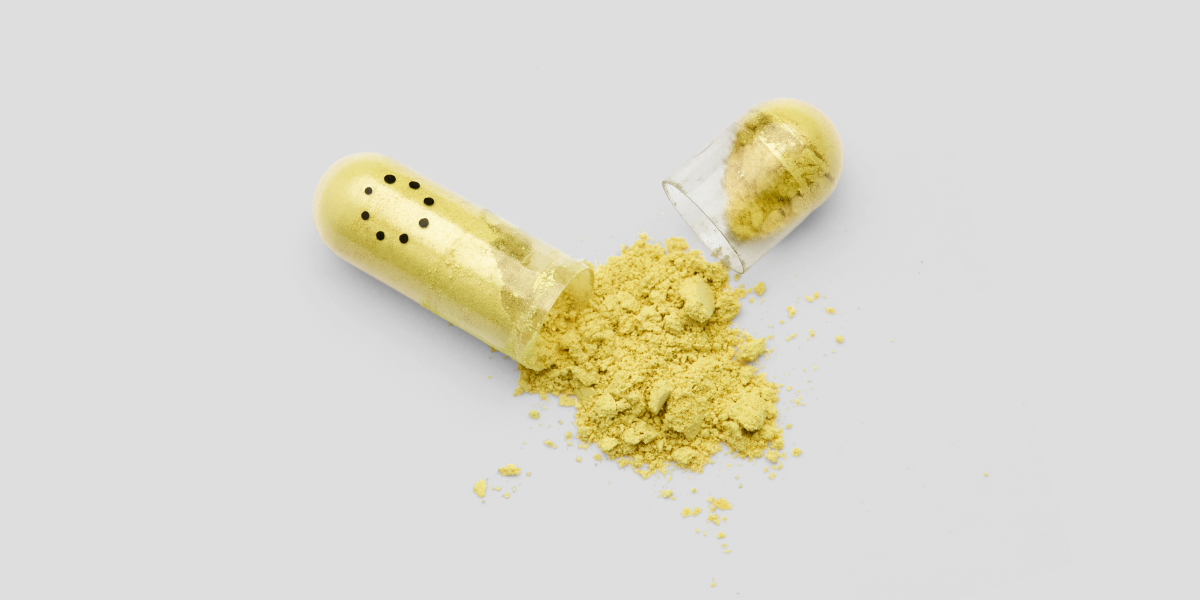
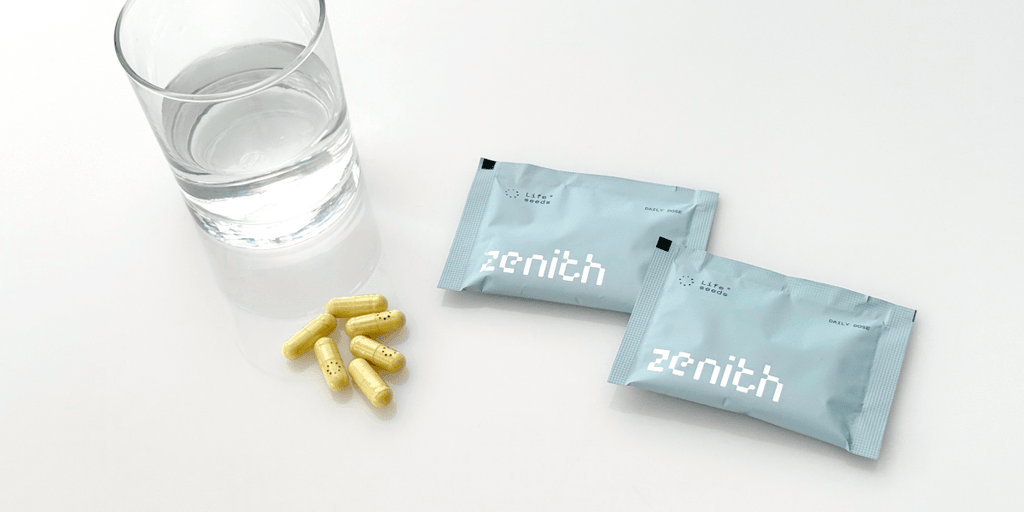
The formulation centers on two flavonoids with established senolytic research profiles. Fisetin, dosed at 1,400 mg per serving, was identified as one of the most effective natural senolytic compounds in a 2018 EBioMedicine study that screened ten flavonoids for their ability to target senescent cells. Quercetin, included at 500 mg, has been studied both on its own and in combination protocols — most notably alongside dasatinib in clinical research at Mayo Clinic.
The formula also includes piper longum extract (50 mg), a bioenhancer traditionally used in Ayurvedic medicine and studied for its ability to improve the absorption of plant-based compounds. Zinc bisglycinate (10 mg) rounds out the formulation, supporting immune function — relevant given that the immune system plays a central role in the natural clearance of senescent cells.
Designed around the research, not the retail model

“We could have made Zenith a daily capsule — it would have been a much easier product to sell,” says Mathias Lobendahl, founder of Lifeseeds. “But that’s not what the science supports. The research is clear that intermittent dosing is the way senolytics work best. We weren’t going to compromise on that for the sake of a simpler business model.”
Zenith is the third product in the Lifeseeds range, joining Nexus, an NAD+ supplement targeting cellular energy, and Neuro, focused on cognitive health. Each product addresses a distinct hallmark of aging — a design philosophy that Lobendahl describes as building around the biology rather than around market trends.
Whether the intermittent model gains traction with consumers remains an open question. It requires a different kind of trust — confidence in a protocol that asks you to do less, not more. But for a category grounded in published research, following the science may prove to be the strongest selling point of all.
Sources: Zhu et al., “New agents that target senescent cells,” EBioMedicine, 2018. Kirkland & Tchkonia, Mayo Clinic, 2017. López-Otín et al., “Hallmarks of Aging: An Expanding Universe,” Cell, 2023.

Men’s Insider Contributor
Ethan Marsh
Covers health, fitness, and modern lifestyle, with a focus on practical habits and the long game of staying well.
This article features partner, contributor, or branded content from a third party. Members of the Men’s Insider editorial staff were not involved in the creation of this content. All views and opinions are those of the contributor alone.