Alexander Zverev won the US Open while Ben Shelton’s historic run highlighted the growing strength and pressure surrounding American men’s tennis.
Zverev Claims His Second Grand Slam Title
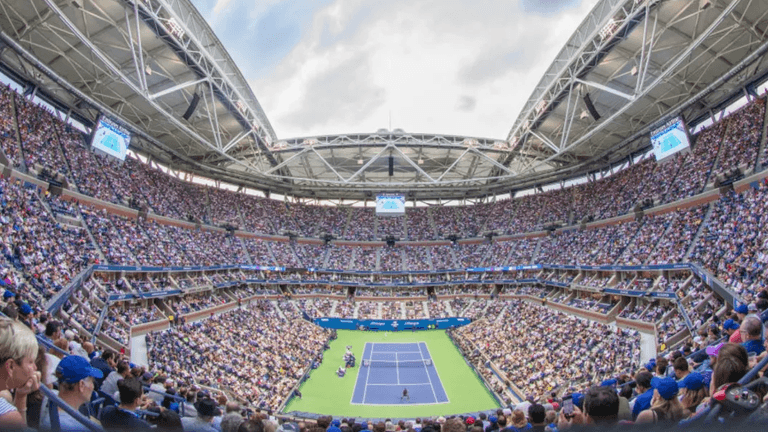
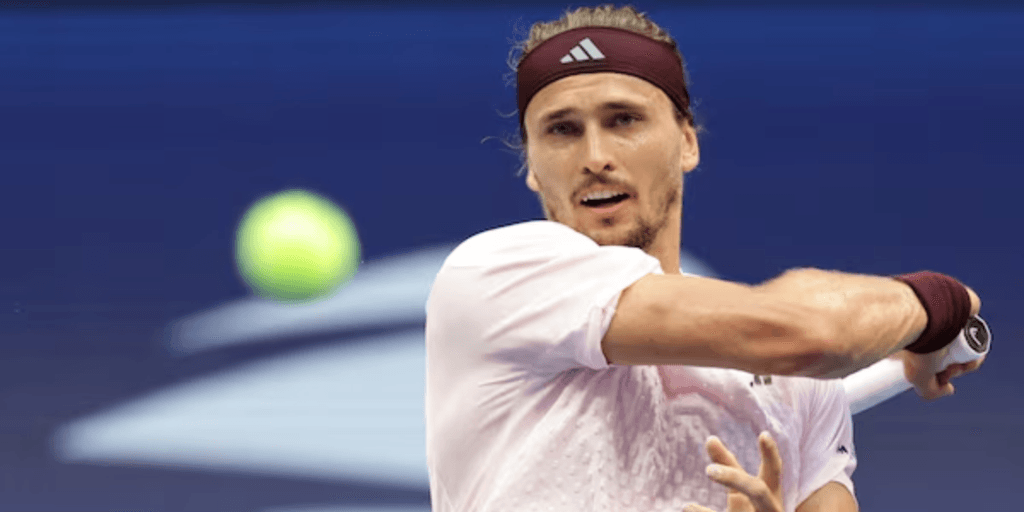
Alexander Zverev defeated American Ben Shelton in four sets on September 13, winning the US Open men’s singles championship and capturing his second Grand Slam title of the 2026 season. The top-seeded German prevailed 6-3, 7-6, 5-7, 6-2 at Arthur Ashe Stadium in New York, ending Shelton’s bid to become the first American man in more than two decades to win a major singles championship.
The victory marked a significant moment in Zverev’s career. Six years after losing a commanding lead in the 2020 US Open final, he returned to the same tournament and completed the job. His win also strengthened his position among the leading players in men’s tennis, following his earlier major triumph at the French Open and another deep run at a Grand Slam event.
Shelton’s Historic Opportunity Falls Short
Shelton entered the final carrying the hopes of American tennis fans. The 23-year-old had reached his first Grand Slam championship match after defeating a series of highly ranked opponents, including defending champion Carlos Alcaraz in a dramatic quarterfinal. His powerful serve, aggressive forehand, and willingness to attack from the baseline had made him one of the most exciting players in the tournament.
A victory would have ended the long wait for an American man to win a Grand Slam singles title. The last American male champion at a major tournament was Andy Roddick at the 2003 US Open. Shelton also had the opportunity to become the first Black American man to win the US Open men’s singles title since Arthur Ashe in 1968, adding historic importance to the match.
A Competitive Final Turns in Zverev’s Favor
Zverev established control early by taking the opening set 6-3. His height, serve placement, and ability to redirect Shelton’s power allowed him to dictate many exchanges. Shelton continued to attack, but Zverev was able to absorb the pace and force longer rallies, where his consistency and court positioning became increasingly important.
The second set was more closely contested and ended in a tiebreak. Zverev remained composed under pressure, winning the tiebreak 7-2 and moving within one set of the championship. Shelton responded in the third set, producing his strongest stretch of the match and taking it 7-5. His comeback briefly shifted the momentum and gave the crowd hope that the final could develop into a five-set contest.
Experience Makes the Difference in the Fourth Set
Zverev quickly regained control in the fourth set. He broke Shelton’s serve and maintained pressure with a combination of deep groundstrokes, controlled serving, and strong defense. Shelton continued to search for opportunities, but the physical and emotional demands of the match began to show as unforced errors interrupted his attempts to build momentum.
The German closed out the match 6-2, raising his arms toward the crowd before embracing Shelton at the net. The result reflected Zverev’s ability to recover from the third-set setback and maintain discipline during the decisive moments. His performance also demonstrated how experience in major finals can become an advantage when the match reaches its most demanding stages.
A Major Milestone in Zverev’s Career
Zverev’s victory was particularly meaningful because of his previous disappointment at the US Open. In the 2020 final, he held a two-set lead against Dominic Thiem but eventually lost in five sets. That defeat became one of the defining setbacks of his career and remained a reference point whenever he returned to the tournament.
Winning the title in 2026 gave Zverev a measure of redemption. He entered the final having already proven that he could compete consistently at the highest level, but another championship-match appearance created a new test of his ability to close. This time, he managed the pressure, responded to Shelton’s third-set surge, and finished the tournament as champion.
American Tennis Shows Promise Despite the Loss
Although Shelton did not win the title, his performance represented progress for American men’s tennis. His run to the final placed him among the leading young players in the sport and demonstrated that American tennis has a new generation capable of competing with the world’s best. His victory over Alcaraz was one of the tournament’s defining results and showed that his aggressive style can succeed against elite opponents.
Shelton’s final appearance also increased attention on the broader development of American men’s tennis. Players such as Taylor Fritz, Frances Tiafoe, Tommy Paul, and Shelton have helped create a deeper group of contenders in recent years. However, reaching the final and winning a Grand Slam remain different challenges. Shelton’s defeat showed that the final step requires not only talent, but also physical endurance, tactical patience, and the ability to manage the pressure of a historic opportunity.
The Physical Demands of Modern Men’s Tennis
The match also illustrated the physical demands placed on top players during a Grand Slam tournament. Competitors must survive multiple rounds over two weeks, often facing opponents with contrasting styles and little time for recovery. By the final, fatigue can influence movement, concentration, serving accuracy, and decision-making.
Zverev’s ability to maintain his level across four sets was central to the outcome. Shelton’s high-energy style produced spectacular points but also required significant physical effort. As rallies extended and the match moved into its later stages, Zverev’s steadier approach allowed him to protect his advantage and avoid being drawn into unnecessary exchanges.
A Wider Race for the World No. 1 Ranking
Zverev’s second major title of the season also placed him in a stronger position in the race for the year-end world No. 1 ranking. Grand Slam victories carry major ranking value and can shape the final months of the tennis calendar. With the season entering its closing stages, Zverev’s results give him a significant platform heading into the remaining tournaments.
The result also reinforced the changing competitive landscape of men’s tennis. The sport’s established stars remain influential, but younger players and former finalists are increasingly challenging for the biggest trophies. Zverev’s breakthrough at the US Open, Shelton’s first major final, and the continued emergence of other contenders suggest that the next phase of men’s tennis may be defined by a wider group of championship-level players.
Shelton Leaves New York With Momentum
Shelton’s loss ended a historic tournament, but it also gave him valuable experience that could influence the next stage of his career. Playing in a Grand Slam final exposes a player to a different level of attention, expectation, and pressure. The lessons from the match may help him prepare for future opportunities, particularly when facing opponents who have already experienced championship matches.
For American fans, the defeat was disappointing, but Shelton’s run offered a reason for optimism. His powerful game, athletic ability, and confidence under pressure have established him as a major figure in the sport. The next challenge will be converting deep tournament runs into titles.
A Significant US Open Conclusion
Zverev’s 6-3, 7-6, 5-7, 6-2 victory gave him his first US Open championship and second Grand Slam title of the year. It also extended the wait for an American man to win a major singles title, despite Shelton’s impressive breakthrough to the final.
The result delivered two different messages. For Zverev, it confirmed that persistence and experience can turn past disappointment into success. For Shelton and American tennis, it showed that the country has a promising contender capable of reaching the sport’s biggest stage. The final may not have ended the American drought, but it added another important chapter to the development of men’s tennis.

Men’s Insider Contributor
Marcus Hale
Covers sport and breaking news, following the competition and the people at the centre of the story.
This article features partner, contributor, or branded content from a third party. Members of the Men’s Insider editorial staff were not involved in the creation of this content. All views and opinions are those of the contributor alone.