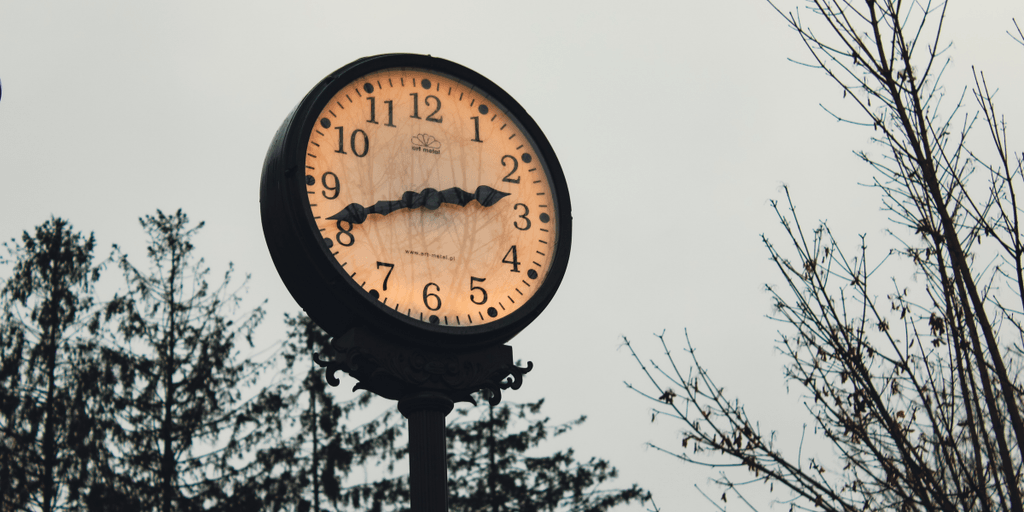
Across most of the United States, clocks moved forward by one hour early Sunday morning as Daylight Saving Time (DST) officially began for 2026. The annual time shift took effect at 2:00 a.m. local time on March 8, signaling the transition to longer daylight hours in the evening months and marking a seasonal change that affects millions of Americans’ daily routines.
The practice, which will remain in effect until November 2026, is designed to make better use of daylight during the warmer parts of the year. When clocks “spring forward,” sunrise and sunset both occur later in the day, giving people more light in the evening for outdoor activities, commuting, and leisure. While the change lasts only an hour, its impact can be felt across workplaces, households, transportation systems, and digital devices nationwide.
A Long-Standing National Practice
Daylight Saving Time has roots that stretch back more than a century. The United States first adopted the practice during World War I as a measure to conserve energy resources, particularly fuel used for lighting and industry. The idea was later revived during World War II and eventually standardized by the Uniform Time Act of 1966, which established a consistent schedule for states choosing to observe the time change.
Under current federal rules, DST begins on the second Sunday in March and ends on the first Sunday in November. During this eight-month period, the extra evening daylight is intended to align waking hours more closely with natural light patterns, potentially reducing energy consumption and encouraging outdoor activity.
However, not every region participates. Hawaii and most of Arizona remain on standard time year-round, along with U.S. territories such as Puerto Rico, Guam, American Samoa, and the U.S. Virgin Islands. These areas typically see less seasonal variation in daylight hours, making the adjustment less beneficial.
How the Change Affects Daily Life
For many Americans, the immediate effect of Daylight Saving Time is the loss of one hour of sleep. While the adjustment is brief, sleep experts note that even a small shift in schedule can temporarily disrupt circadian rhythms, the body’s internal clock that regulates sleep and alertness.
Health specialists often recommend gradually adjusting sleep schedules before the time change and increasing exposure to natural morning light in the days following the transition. These strategies can help the body adapt more quickly to the altered schedule.
Beyond sleep patterns, the time change can influence several aspects of everyday life. Workplaces may experience slight shifts in productivity during the first few days as employees adapt to the new schedule. Transportation systems such as airlines and rail services adjust their schedules to ensure consistency across time zones. Most smartphones, computers, and connected devices automatically update their clocks, though manual adjustments may still be required for household appliances and traditional wall clocks.
Retailers, restaurants, and recreational businesses often see increased activity during Daylight Saving Time due to the extended evening daylight. Many consumers take advantage of the brighter evenings to shop, dine out, or participate in outdoor activities after work.
Debate Over the Future of Daylight Saving Time
Although Daylight Saving Time remains widely practiced, it has also been the subject of ongoing debate. Some researchers argue that the energy savings associated with the time change are smaller today than when the practice was first introduced. Modern energy use patterns, including widespread air conditioning and electronic devices, have changed how households consume electricity.
Others raise concerns about the health effects of sudden shifts in sleep patterns. Some studies suggest that the transition may temporarily affect sleep quality, alertness, and daily performance for certain individuals.
In recent years, lawmakers have proposed legislation that would make Daylight Saving Time permanent across the United States, eliminating the need to change clocks twice a year. While such proposals have generated discussion at both the state and federal levels, no nationwide change has yet been implemented, and the current system remains in place.
Seasonal Benefits and Lifestyle Impact
Despite ongoing debate, many Americans welcome the arrival of longer evenings. With sunsets occurring later in the day, people often have more opportunities to exercise outdoors, spend time with family, or participate in recreational sports after work.
The additional daylight can also encourage healthier routines, such as walking, cycling, or running during the evening hours. Communities frequently organize outdoor events, sports leagues, and seasonal activities that take advantage of the extended daylight.
For many households, the start of Daylight Saving Time also signals the broader transition into spring. Warmer weather, longer days, and increased outdoor activity often contribute to a more active lifestyle during the coming months.
Looking Ahead
Daylight Saving Time will remain in effect throughout the spring and summer seasons before ending on November 1, 2026, when clocks will move back one hour and return to standard time. Until then, Americans across most of the country will experience brighter evenings and a schedule that places more daylight at the end of the day.
While the debate surrounding its future continues, the start of Daylight Saving Time remains a familiar seasonal milestone. For millions of people, it represents the arrival of longer days, greater opportunities for outdoor activity, and the gradual shift toward the warmer months of the year.

Men’s Insider Contributor
Marcus Hale
Covers sport and breaking news, following the competition and the people at the centre of the story.
This article features partner, contributor, or branded content from a third party. Members of the Men’s Insider editorial staff were not involved in the creation of this content. All views and opinions are those of the contributor alone.