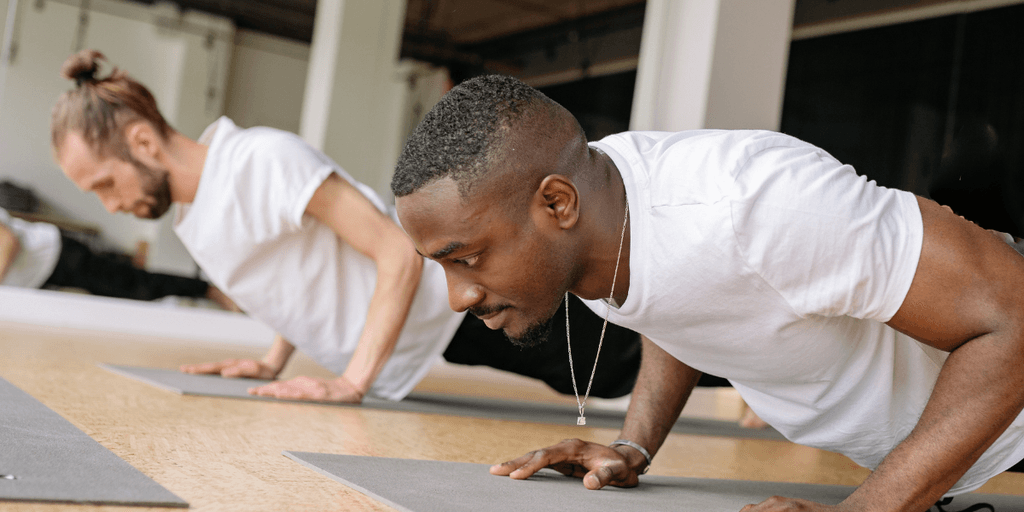
In recent weeks, global research has strengthened the evidence showing that regular physical activity, especially aerobic exercise, is one of the most effective and accessible ways to improve both physical and mental health. On February 19, 2026, new findings were highlighted in health news and scientific literature that reinforce how movement isn’t just good for the body, it’s vital for the mind too. This information is especially important for men, who statistically face higher risks for certain chronic conditions and are often less likely to seek out preventive health care.
Mental Health Benefits: Exercise as an Antidepressant and Antianxiety Tool
A comprehensive study found that exercise may rival or even outperform traditional treatments like medication and talk therapy for mild depression and anxiety symptoms.
- This massive umbrella review synthesized data across tens of thousands of participants, showing consistent reductions in depression and anxiety symptoms with regular physical activity.
- Aerobic activities, such as running, swimming, cycling, or brisk walking, showed some of the strongest benefits, likely because they raise heart rate and stimulate neurochemical changes in the brain.
- Importantly, any increase in movement, even if moderate or lower intensity, was linked to mental health improvements, making exercise a practical strategy for men at all fitness levels.
For guys juggling work, family, and stress, these findings reinforce that exercise isn’t just about muscles, it’s a validated tool for emotional wellbeing.
Physical Health Advantages: Cardiovascular Protection and Longevity
Exercise is already well‑known to support heart health, but new data emphasize how effective movement is even with small amounts of activity.
- Updated research reveals that even short bursts of movement throughout the day, sometimes called “exercise snacks”, can significantly reduce the risk of heart disease and premature death compared with being sedentary.
- National guidelines recommend at least 150 minutes of moderate activity per week. But the latest science suggests meaningful benefits begin at much lower levels for many people, making fitness more accessible for busy men.
For men facing time constraints, these findings provide a more flexible and realistic roadmap to better health.
What This Means for Men in 2026
Combining these mental and physical benefits makes exercise a cornerstone of holistic health, not just a hobby or pastime. Here’s what men should take away:
✔ Mental resilience
Regular movement is increasingly recognized as a frontline strategy to reduce symptoms of depression and anxiety, complementing other therapies and, in some cases, performing as well or better than medication for mild symptoms.
✔ Stress management and emotional control
Even being generally fit, not necessarily elite, can help men manage emotions like stress, frustration, and anger better than lower‑fitness peers, likely due to changes in brain chemistry and emotional regulation tied to physical activity.
✔ Accessible health gains
Whether it’s brisk walking, jogging, cycling, swimming, or other aerobic activity, consistent effort pays big dividends across mental and physical health domains.
Practical Tips for Incorporating Movement
- Start Small: Aim for short sessions (even 10–15 minutes) a few days a week, benefits accrue quickly.
- Mix It Up: Combine moderate aerobic workouts with strength training, stretching, or group activities like sports, this boosts consistency and enjoyment.
- Track Progress: Wearable tech and fitness apps can help monitor activity levels, heart rate, and mood improvements, making fitness easier to maintain.
- Routine Over Intensity: Consistency matters more than extreme workouts. Even everyday walking or cycling to work improves outcomes.
Final Takeaway
As of mid‑February 2026, the latest science makes a clear case: exercise is one of the most powerful, evidence‑based tools men have to boost both mental and physical health. With stress and chronic disease risk still high among men in the U.S., prioritizing movement, even in small amounts, can deliver outsized benefits to mood, cardiovascular health, and quality of life.

Men’s Insider Contributor
Ethan Marsh
Covers health, fitness, and modern lifestyle, with a focus on practical habits and the long game of staying well.
This article features partner, contributor, or branded content from a third party. Members of the Men’s Insider editorial staff were not involved in the creation of this content. All views and opinions are those of the contributor alone.