On April 6, 2026, leading fashion analysts and industry observers highlighted a clear shift in men’s style trends across the United States. The latest reports from the Council of Fashion Designers of America and global consulting firm McKinsey & Company indicate that men’s fashion is moving toward a more refined, intentional approach. Rather than chasing fast-changing trends, today’s consumer is prioritizing versatility, longevity, and self-improvement through personal style.
This evolution reflects broader lifestyle changes, where clothing is no longer just about appearance but also about function, confidence, and identity.
The Rise of Elevated Basics
One of the most notable developments in 2026 is the growing demand for “elevated basics.” These are everyday essentials such as T-shirts, polos, chinos, and jackets, redesigned with premium fabrics and tailored fits.
According to recent industry insights, men are investing in fewer but higher-quality pieces. Neutral color palettes such as beige, navy, olive, and charcoal dominate collections, making it easier to mix and match outfits across different settings. This approach aligns with the concept of a capsule wardrobe, which emphasizes efficiency and consistency.
Brands across the U.S. market have responded by focusing on craftsmanship and durability. Reports from Business of Fashion note that consumers are increasingly willing to pay more for items that last longer and maintain their structure over time.
Smart Casual Becomes the Standard
The shift toward hybrid work environments continues to influence how men dress. Formal business attire has given way to a more flexible “smart casual” style that balances professionalism with comfort.
Blazers paired with stretch trousers, knitwear layered over collared shirts, and clean sneakers replacing traditional dress shoes are now common combinations. This style allows men to transition seamlessly between work, social settings, and travel.
Fashion analysts point out that comfort-driven materials, including breathable cotton blends and performance fabrics, are becoming essential. These fabrics provide mobility and temperature regulation without compromising appearance.
Accessories Take Center Stage
Accessories are playing a larger role in defining modern men’s style. Rather than being an afterthought, items such as watches, belts, and bags are now key elements of a complete look.
Classic timepieces remain a staple, with minimalist designs gaining popularity for their versatility. Leather goods, particularly structured bags and belts, are also seeing renewed interest as men seek both function and sophistication.
Eyewear trends are leaning toward timeless shapes like aviators and square frames, while subtle jewelry such as bracelets and rings adds a personalized touch without being overly bold.
Industry reports highlight that accessories often serve as entry points for men looking to upgrade their style without overhauling their entire wardrobe.
Grooming and Self-Improvement Integration
Men’s fashion in 2026 is closely tied to broader self-improvement habits. Grooming, fitness, and overall presentation are increasingly viewed as interconnected aspects of personal development.
Organizations like the American Academy of Dermatology emphasize the importance of skincare routines as part of daily grooming. Clean, well-maintained skin complements a polished wardrobe and contributes to a confident appearance.
At the same time, fitness culture continues to influence clothing choices. Athletic-inspired pieces, including tailored joggers and performance polos, bridge the gap between gym wear and everyday fashion.
This integration reflects a holistic approach to style, where looking good is tied to feeling good and maintaining healthy routines.
Style Across Different Age Groups
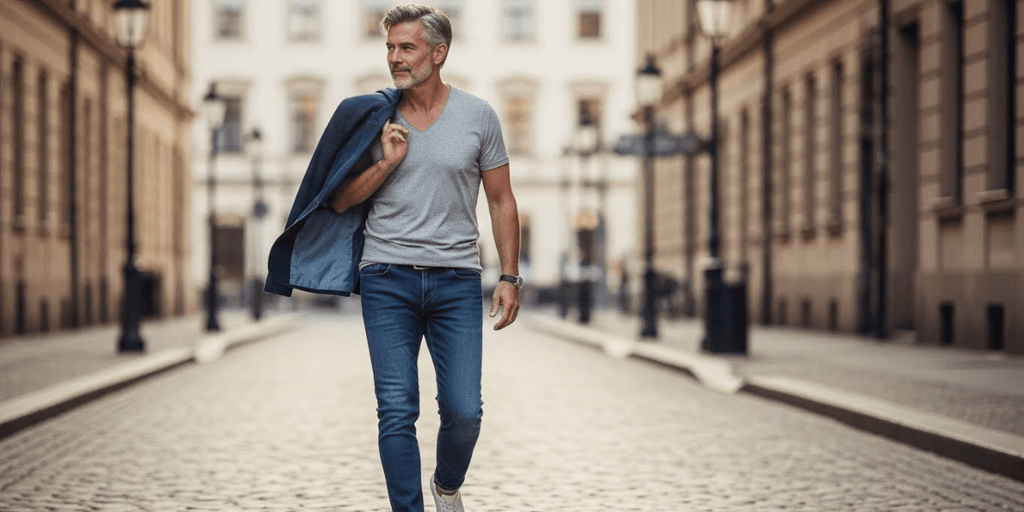
Another key trend highlighted in recent reports is the diversification of style preferences across age groups. Men are no longer confined to age-specific fashion rules.
- Younger men (20s–30s): Experiment with layering, streetwear influences, and statement accessories while maintaining a clean base.
- Mid-career professionals (30s–40s): Focus on refined staples, quality fabrics, and versatile outfits suitable for work and social settings.
- Older men (50+): Prioritize comfort, classic silhouettes, and timeless pieces that offer both elegance and practicality.
This shift reflects a more inclusive fashion landscape where personal expression takes precedence over rigid norms.
Key Takeaways for Modern Men
The latest developments in men’s fashion point to a clear direction for those looking to refine their personal style:
- Invest in quality over quantity: Durable, well-made pieces provide better long-term value.
- Adopt a versatile wardrobe: Neutral tones and classic designs allow for easy outfit coordination.
- Focus on accessories: Small details can significantly elevate an overall look.
- Integrate grooming and wellness: Style is most effective when paired with good personal care habits.
- Dress for your lifestyle: Choose clothing that supports both professional and personal activities.
Looking Ahead
As 2026 progresses, the men’s fashion industry is expected to continue emphasizing sustainability, innovation, and personalization. The focus on intentional dressing suggests that men are becoming more mindful of their choices, seeking clothing that aligns with both their values and daily needs.
For readers, these trends offer practical guidance on building a wardrobe that is not only stylish but also functional and adaptable. By focusing on elevated basics, thoughtful accessories, and consistent self-care, modern men can develop a look that reflects confidence, purpose, and individuality.

Men’s Insider Contributor
Ethan Marsh
Covers health, fitness, and modern lifestyle, with a focus on practical habits and the long game of staying well.
This article features partner, contributor, or branded content from a third party. Members of the Men’s Insider editorial staff were not involved in the creation of this content. All views and opinions are those of the contributor alone.