The men’s fashion industry continues evolving rapidly in 2026 as consumers increasingly prioritize versatile clothing, timeless accessories, and practical self-improvement purchases. Across the United States and international fashion markets, designers and retailers are responding to changing lifestyle habits with collections focused on comfort, adaptability, and understated sophistication.
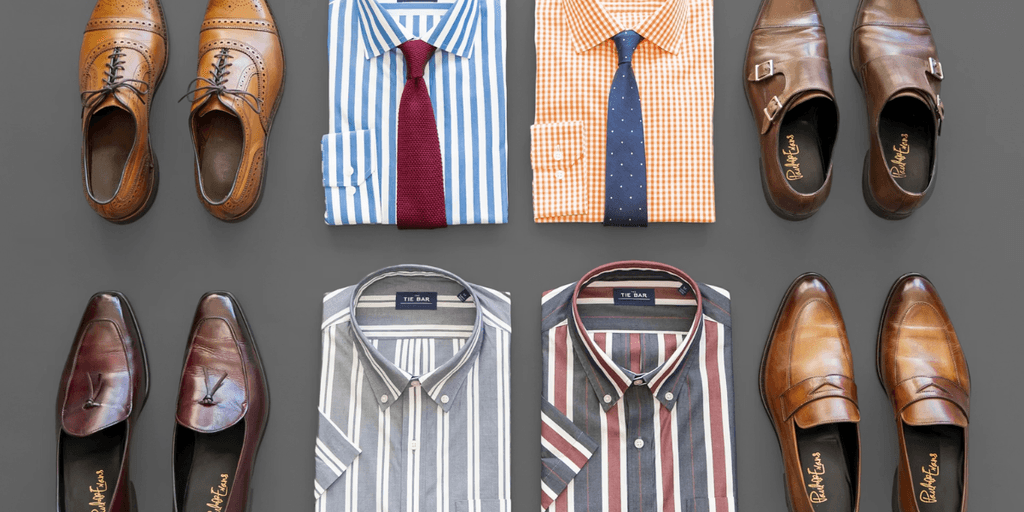
One of the biggest developments shaping men’s style this year is the growing demand for clothing that balances casual comfort with polished presentation. Fashion analysts say many consumers are moving away from fast-changing trends and instead investing in wardrobe staples that work across professional, social, and travel settings. Relaxed tailoring, field jackets, suede footwear, and wider-fit chinos have emerged among the strongest menswear trends of 2026.
Industry experts note that practicality is becoming just as important as appearance. At recent fashion events held during the spring 2026 season, designers emphasized wearable pieces, natural fabrics, and adaptable styling rather than highly experimental runway looks. Buyers and retail executives attending these events highlighted increasing consumer preference for fashion focused on quality craftsmanship, versatility, and long-term value.
Accessories are also playing a larger role in men’s fashion this year. Watches, sunglasses, belts, and leather bags remain among the fastest-growing categories as consumers seek products that elevate simple outfits while remaining functional. Fashion publications covering 2026 accessory trends report rising popularity for statement belts, oversized sunglasses, structured bags, and retro-inspired footwear.
Luxury and mainstream brands alike are increasingly focusing on understated design rather than logo-heavy products. Analysts say consumers are gravitating toward accessories that feel durable and timeless rather than seasonal or trend-driven. This shift has supported stronger demand for neutral color palettes, textured fabrics, and heritage-inspired designs throughout both menswear and accessory collections.
Technology is also becoming more integrated into modern men’s lifestyle products. Wearable technology companies and luxury brands are expanding collaborations involving smart watches, AI-enabled eyewear, and connected accessories that combine functionality with premium styling. Industry reporting indicates that the market for fashionable wearable technology is expected to continue growing throughout 2026 as consumers seek products that support health tracking, communication, and convenience without sacrificing appearance.
Retailers are responding to these changes by investing more heavily in personalization and digital shopping tools. Artificial intelligence is increasingly being used to recommend outfits, improve sizing accuracy, and help customers discover products tailored to their preferences and lifestyles. Fashion researchers say AI-assisted shopping experiences are becoming more important as online retail competition intensifies.
The broader men’s lifestyle market is also being influenced by growing interest in self-improvement and wellness. Grooming, skincare, fitness, and mental well-being are now frequently integrated into fashion and lifestyle coverage aimed at male audiences. Industry observers say younger consumers in particular are increasingly viewing style as part of a wider focus on confidence, health, and personal development.
At the same time, sustainability remains a major topic throughout the fashion industry. Reports released in late 2025 and early 2026 indicate that brands are under increasing pressure to improve sourcing practices, reduce waste, and adopt more environmentally responsible manufacturing methods. Consumers are also becoming more selective about purchases, favoring fewer but higher-quality items designed for long-term use.
Economic conditions are influencing buying behavior as well. Fashion industry reports published this year suggest that many consumers remain cautious with discretionary spending while still prioritizing products connected to personal well-being and lifestyle improvement. Adaptability and value-conscious purchasing are becoming central themes throughout the global fashion industry.
Style experts say the current direction of men’s fashion reflects a broader cultural shift toward balance and practicality. Instead of focusing exclusively on luxury or short-lived trends, consumers are building wardrobes centered on versatility, comfort, and durability. Tailored outerwear, relaxed trousers, lightweight knits, and refined sneakers continue gaining popularity because they can easily transition between work, travel, and casual environments.
Fashion consultants also note that men of different age groups are approaching style more strategically in 2026. Younger consumers often experiment with retro-inspired silhouettes and streetwear influences, while older shoppers frequently prioritize timeless tailoring, comfort-focused footwear, and premium accessories. Brands are increasingly designing collections that appeal to multiple generations by combining modern styling with classic design principles.
Looking ahead, industry analysts expect the men’s lifestyle and fashion market to remain focused on wearable functionality, thoughtful styling, and technology-enhanced shopping experiences. As brands continue adapting to evolving consumer priorities, the emphasis on practical sophistication and long-term value appears likely to define the next phase of men’s fashion throughout 2026.

Men’s Insider Contributor
Ethan Marsh
Covers health, fitness, and modern lifestyle, with a focus on practical habits and the long game of staying well.
This article features partner, contributor, or branded content from a third party. Members of the Men’s Insider editorial staff were not involved in the creation of this content. All views and opinions are those of the contributor alone.