On April 13, 2026, new industry data and retail updates across the United States highlighted a clear shift in men’s fashion toward versatility, functionality, and long-term value. As consumer preferences continue to evolve, brands and designers are responding with collections that prioritize adaptable clothing, simplified styling, and practical accessories suited for modern lifestyles.
Recent industry insights show that men’s apparel sales in the U.S. are increasingly driven by demand for “multi-use” wardrobe pieces. These are garments designed to transition easily between work, casual, and social settings, reflecting a growing emphasis on efficiency and simplicity in everyday dressing.
Retailers report that customers are now favoring fewer but higher-quality items that can be styled in multiple ways. Neutral color palettes, tailored fits, and durable materials are among the most sought-after features. This trend aligns with broader consumer behavior shifts, where practicality and longevity are influencing purchasing decisions more than fast-changing fashion cycles.
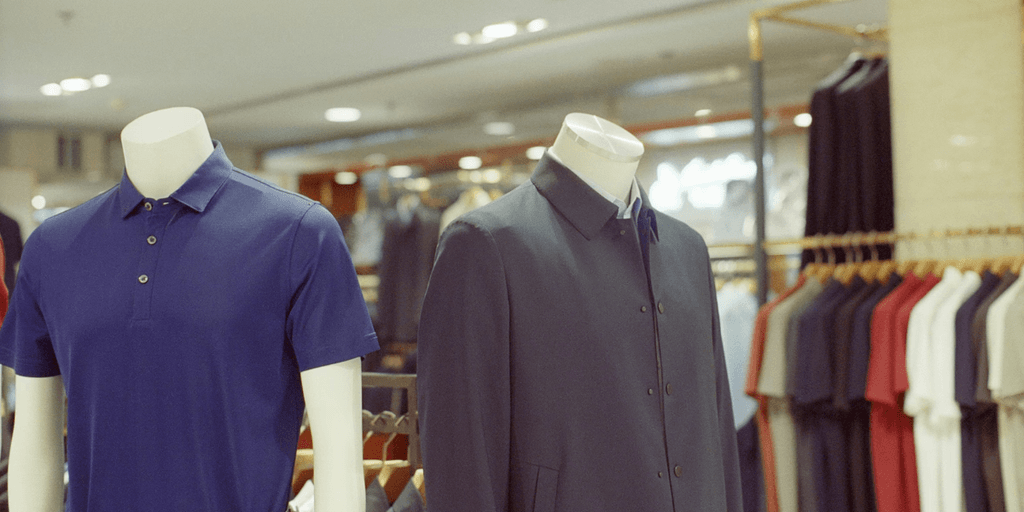
Major brands have responded by launching updated collections this season that highlight wardrobe essentials. Items such as structured blazers, premium denim, and minimalist sneakers are being positioned as foundational pieces. These staples are designed to suit men across different age groups, from younger professionals building their first wardrobes to older consumers refining a more classic style.
Market analysis indicates that men’s fashion consumers are becoming more deliberate in their spending. Buyers are prioritizing value over volume, often choosing products that offer durability and versatility over trend-driven items that may quickly go out of style.
Accessories are also playing a larger role in defining modern men’s style. Watches, leather bags, and functional footwear are increasingly viewed as essential components rather than optional additions. These items are being used to elevate otherwise simple outfits, allowing men to maintain a clean and understated look while still expressing individuality.
In parallel, the influence of hybrid work environments continues to shape fashion choices. With many professionals balancing remote and in-person work, clothing that offers comfort without sacrificing appearance has become a priority. Stretch fabrics, breathable materials, and relaxed tailoring are now common features in office-appropriate attire.
This shift has also led to the rise of what industry experts call “smart casual evolution.” Traditional distinctions between formal and casual wear are becoming less rigid, allowing men to mix elements from both categories. For example, pairing tailored trousers with knitwear or combining structured outerwear with casual footwear has become widely accepted in professional and social settings.
From a self-improvement perspective, style experts emphasize the importance of building a cohesive wardrobe rather than chasing trends. Focusing on fit, fabric quality, and versatility when selecting clothing helps simplify daily decisions while enhancing confidence and personal presentation.
Another notable development is the increased attention to durability and responsible production. While not the primary driver for all consumers, awareness around material sourcing and manufacturing practices is growing. Brands that highlight transparency and long-lasting quality are gaining traction, particularly among younger buyers who value both style and accountability.
For men at different life stages, these trends offer practical benefits. Younger professionals can invest in foundational pieces that remain relevant as their careers progress, while more established individuals can refine their wardrobes with high-quality items that offer both comfort and sophistication. The focus on versatility ensures that clothing remains functional across a wide range of activities and settings.
Retail data also shows that online platforms continue to play a major role in shaping purchasing behavior. Digital tools such as virtual fitting guides and personalized recommendations are helping consumers make more informed decisions. This has reduced uncertainty around sizing and styling, making it easier for men to invest in higher-quality garments with confidence.
Looking ahead, analysts expect the men’s fashion market to continue moving in this direction throughout 2026. The emphasis on practicality, combined with a growing interest in personal style, suggests that the industry will remain focused on delivering products that balance aesthetics with everyday usability.
For readers, the key takeaway is clear. Building a wardrobe in today’s environment is less about following seasonal trends and more about making thoughtful, long-term choices. By prioritizing versatile pieces, investing in quality accessories, and focusing on fit and comfort, men can create a style that is both functional and refined.
As the industry continues to adapt, this approach reflects a broader shift in how men view fashion. It is no longer just about appearance, but about confidence, efficiency, and the ability to present oneself effectively in any setting.

Men’s Insider Contributor
Ethan Marsh
Covers health, fitness, and modern lifestyle, with a focus on practical habits and the long game of staying well.
This article features partner, contributor, or branded content from a third party. Members of the Men’s Insider editorial staff were not involved in the creation of this content. All views and opinions are those of the contributor alone.