The men’s lifestyle and grooming industry continued its rapid expansion on May 16, 2026, as major fashion brands, skincare companies, and retailers reported rising demand for men’s apparel, accessories, and personal care products across the United States. Industry analysts say the trend reflects changing consumer habits, with more men investing in self-care, wellness, and versatile fashion choices suited for both professional and casual settings.
Retail data released this week showed steady gains in men’s fashion and grooming categories during the first half of 2026. Demand has remained particularly strong for tailored casualwear, skincare essentials, premium sneakers, performance fabrics, and minimalist accessories designed for everyday use.
Experts note that younger consumers, especially Millennials and Generation Z shoppers, continue to drive much of the market’s momentum. However, brands are also increasingly targeting older demographics by offering age-inclusive collections focused on comfort, durability, and timeless styling.
Fashion industry observers say one of the most noticeable developments this year has been the continued rise of “smart casual” fashion. As workplace dress codes evolve and hybrid work environments remain common, many consumers are seeking clothing that balances comfort with professional appearance.
Retailers have responded by expanding collections featuring relaxed tailoring, stretch fabrics, neutral color palettes, and adaptable wardrobe essentials. Lightweight jackets, elevated knitwear, premium denim, and versatile sneakers have become among the fastest-growing product categories in men’s fashion during 2026.
The growth of the grooming sector has mirrored the broader shift toward personal wellness. Men’s skincare products, including moisturizers, cleansers, sunscreen, and beard-care items, have seen increasing mainstream adoption. Dermatologists and grooming experts attribute the trend partly to greater awareness surrounding skin health and preventive care.
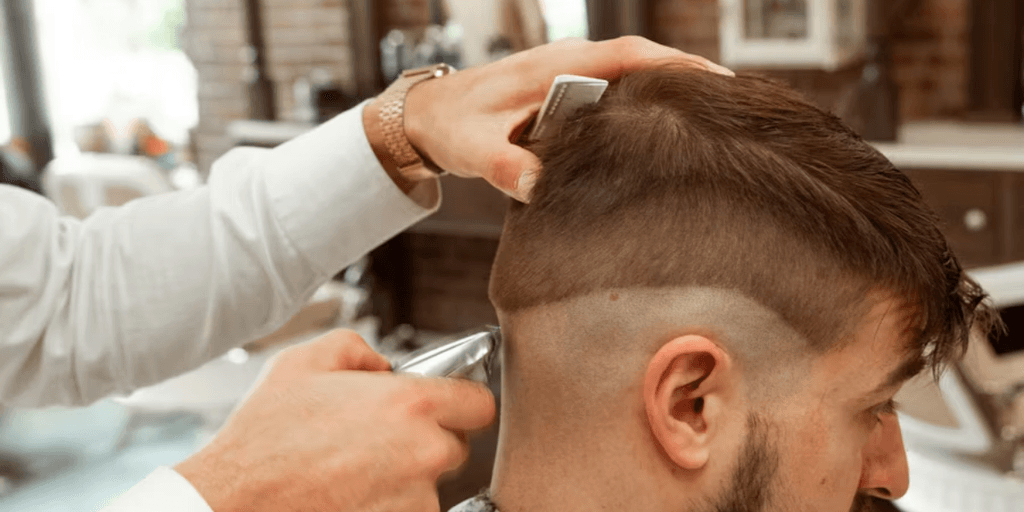
Barbershops and men’s grooming salons have also reported higher customer demand for personalized services and maintenance-focused treatments. Industry professionals say consumers are increasingly interested in long-term grooming routines rather than occasional styling services alone.
Luxury and mid-range watchmakers have likewise benefited from renewed interest in classic accessories. Analysts report that consumers are gravitating toward minimalist designs and durable everyday watches that combine functionality with understated style.
Meanwhile, footwear companies continue to focus heavily on comfort-driven innovation. Athletic-inspired casual shoes and hybrid sneakers suitable for commuting, travel, and office environments remain among the strongest-performing categories in retail sales.
Sustainability has also become a more important purchasing factor for many shoppers. Several major apparel brands introduced expanded collections using recycled fabrics, organic cotton, and lower-impact manufacturing processes during the spring 2026 season. Consumers increasingly say they value durability and long-term wearability over fast-changing fashion cycles.
Digital shopping trends continue to influence the industry as well. Many retailers are investing in AI-powered sizing tools, virtual fitting technology, and personalized style recommendations to improve online shopping experiences. Analysts say these tools have helped reduce product returns while improving customer satisfaction.
Social media and creator-driven content remain powerful forces in shaping men’s fashion preferences. However, industry experts note that consumers are showing growing interest in practical styling advice and everyday wardrobe versatility rather than highly experimental fashion trends.
Fitness and wellness culture have also contributed to changing purchasing patterns. Performance apparel designed for both athletic and casual use continues to gain popularity among consumers seeking functional clothing suitable for active lifestyles.
Market researchers say the overall men’s lifestyle sector is benefiting from a broader cultural shift toward self-improvement and personal presentation. Rather than focusing solely on luxury or status-driven purchases, many consumers are prioritizing products that support confidence, convenience, and long-term value.
For older consumers, brands are increasingly emphasizing comfort-focused tailoring, premium basics, and adaptable wardrobe staples that work across multiple settings. Fashion consultants say the modern men’s market is becoming less segmented by age and more centered on lifestyle needs and practicality.
Industry analysts expect the men’s grooming and fashion market to remain strong throughout the remainder of 2026, particularly as brands continue investing in personalization, sustainability, and functional design. Seasonal demand for travel-ready apparel, lightweight outerwear, and versatile accessories is also projected to support continued retail growth heading into summer.
The ongoing expansion of the men’s lifestyle sector highlights how consumer attitudes toward fashion and grooming continue to evolve. What was once considered a niche category has become a major part of the broader retail economy, with brands competing to meet rising expectations surrounding quality, convenience, and everyday style.
As trends continue shifting toward practicality and self-care, experts believe the industry’s future growth will likely depend on brands’ ability to combine comfort, durability, and modern design while adapting to the changing priorities of today’s consumers.

Men’s Insider Contributor
Ethan Marsh
Covers health, fitness, and modern lifestyle, with a focus on practical habits and the long game of staying well.
This article features partner, contributor, or branded content from a third party. Members of the Men’s Insider editorial staff were not involved in the creation of this content. All views and opinions are those of the contributor alone.