The 2026 NFL Draft delivered more than player selections and offseason headlines. Held in Pittsburgh over three days and drawing national attention, the event reportedly attracted a record 805,000 attendees, making it the most visited NFL Draft in league history. The turnout surpassed the previous high of 775,000 set in Detroit and highlighted the growing importance of the draft as both a sports spectacle and an economic driver for host cities.
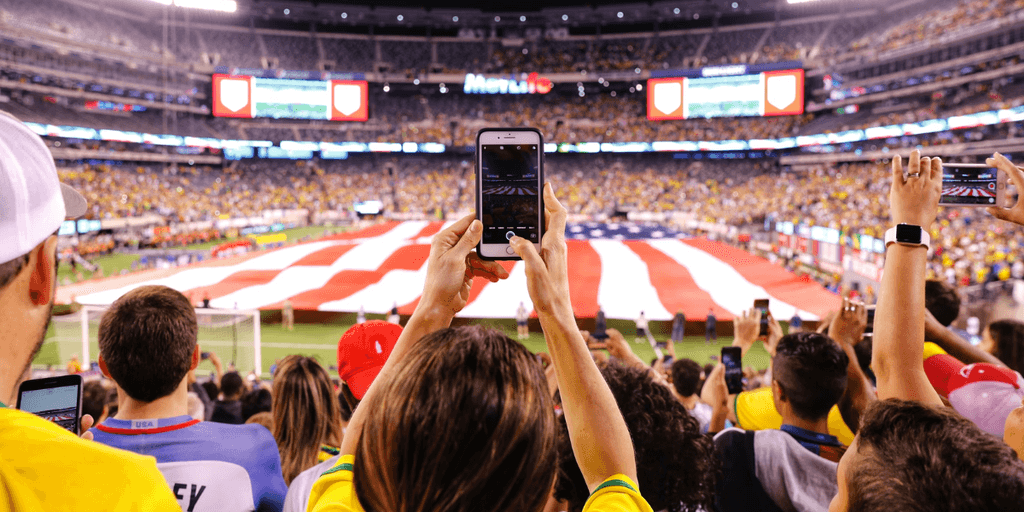
Traditionally known as an administrative event where teams select college prospects, the NFL Draft has evolved into one of the league’s biggest fan-facing attractions. What was once conducted in hotel ballrooms has transformed into a multi-day festival featuring concerts, sponsor activations, merchandise zones, player appearances, and large-scale fan experiences. Pittsburgh’s record-setting crowd demonstrated just how far the event has come.
City officials and organizers had projected attendance between 500,000 and 700,000 visitors, but the final total exceeded those estimates. While attendance figures for large public events often include repeat entries across multiple days, the scale of the turnout still signals remarkable fan enthusiasm.
For Pittsburgh, the event served as a national showcase. Broadcast coverage featured the city’s skyline, bridges, stadium district, and downtown energy throughout the weekend. That kind of visibility can be difficult to quantify, but cities compete aggressively for marquee sporting events because of the long-term tourism and branding benefits they can create.
Local transportation systems also experienced heavy demand. Public transit usage rose significantly during the event, especially on special shuttle routes and rail service designed to move fans efficiently through the city. Smooth transportation operations are often one of the clearest signs that a major event has been well managed.
Restaurants, bars, and hospitality businesses near the draft site saw strong customer traffic as fans filled the downtown area. Hotels, entertainment venues, and retail shops typically benefit from crowds of this size, especially when visitors stay for multiple days. Some smaller businesses outside the central zone reported lighter-than-expected traffic, showing that while major events can generate spending, those benefits are not always distributed evenly across a city.
The corporate world also took notice. Several CEOs and senior marketing executives reportedly attended the event, using the weekend as an opportunity to network and assess Pittsburgh’s business environment. This reflects a larger trend in modern sports, where leagues and events increasingly intersect with business development, sponsorship strategy, and executive networking.
Of course, the heart of the weekend remained football. Fans packed the venue to hear selections announced live, celebrate future stars, and represent their teams. For the hometown crowd, one of the biggest moments came when the Pittsburgh Steelers selected Arizona State offensive lineman Max Iheanachor in the first round. First-round picks often become immediate symbols of hope, especially for franchises seeking to strengthen key roster positions.
Equally important was the event’s operational success. Large gatherings require extensive planning around crowd control, traffic flow, medical services, and public safety. Reports indicated that the draft concluded without major incidents, a significant achievement considering the size of the audience.
The NFL has steadily turned the draft into a traveling event that rewards host cities with tourism, media exposure, and economic momentum. Cities now view the draft in a similar category to all-star games or championship weekends. It brings passionate fans, national cameras, and spending power without the infrastructure burden of building permanent venues.
For readers interested in lifestyle, leadership, and performance culture, the success of the draft offers a useful takeaway. Great events are rarely accidental. They depend on planning, logistics, branding, hospitality, and execution. Whether in business or sports, preparation behind the scenes often determines how memorable the public result becomes.
Pittsburgh’s record-setting weekend also reinforces the enduring popularity of live experiences. In an era dominated by streaming and digital entertainment, hundreds of thousands of people still traveled to gather in person for the excitement of a shared moment. That kind of enthusiasm remains one of sports’ most valuable assets.
As the NFL looks ahead to future drafts, Pittsburgh has set a new benchmark. The 2026 event was not just a football milestone. It was a reminder that when sports, city pride, and fan culture come together, they can create something much larger than the game itself.

Men’s Insider Contributor
Marcus Hale
Covers sport and breaking news, following the competition and the people at the centre of the story.
This article features partner, contributor, or branded content from a third party. Members of the Men’s Insider editorial staff were not involved in the creation of this content. All views and opinions are those of the contributor alone.