




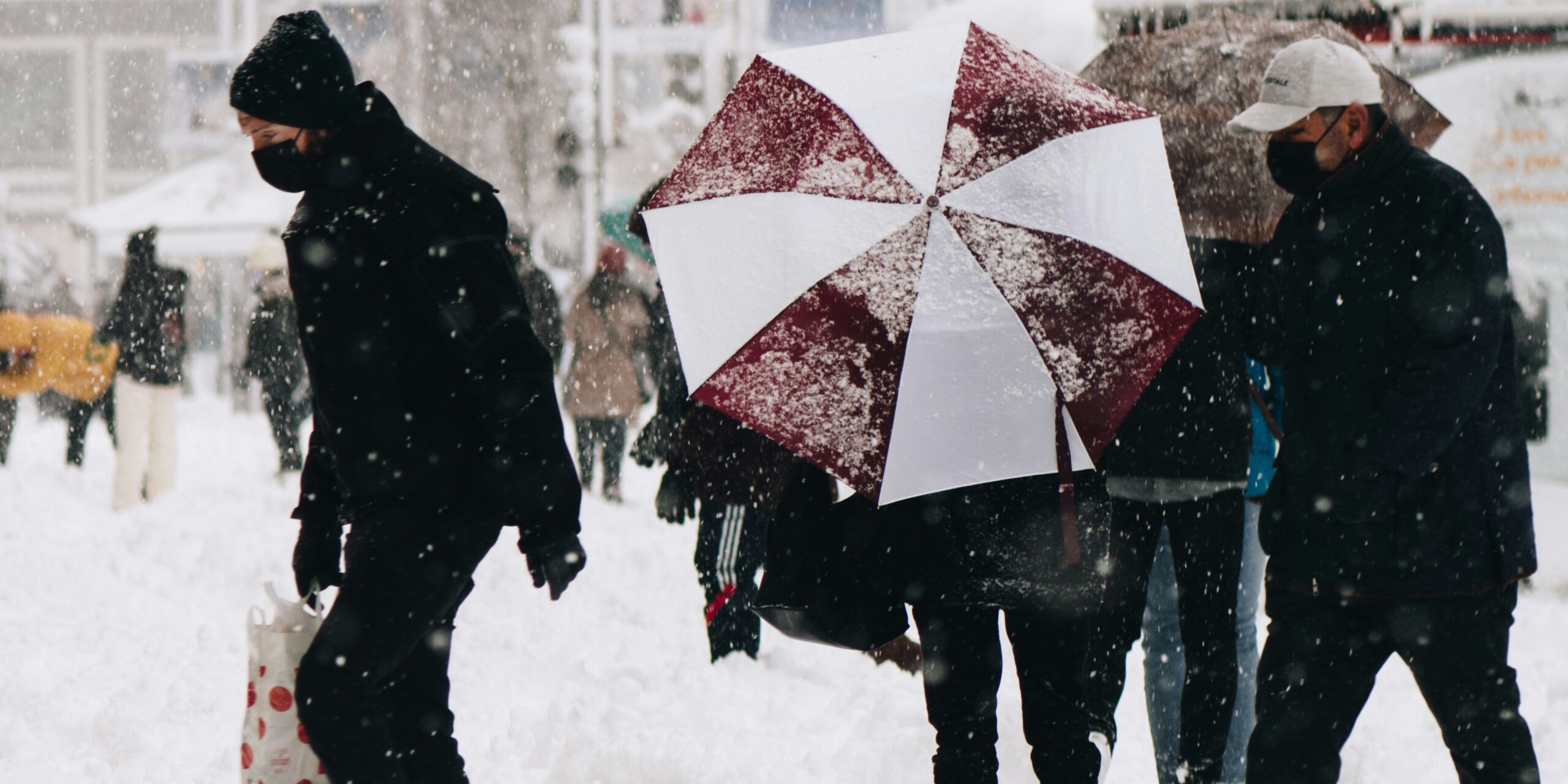
As millions of Americans took to the roads and skies to celebrate the holidays with loved ones, a parallel surge in respiratory illnesses swept across the country, placing renewed pressure on public health systems and prompting concern among health experts. In the final weeks of 2025, reports of COVID-19, influenza, and other respiratory infections began rising significantly, coinciding with colder weather, increased indoor activity, and one of the busiest travel seasons of the year.
Health officials across multiple states confirmed an upward trend in respiratory cases that began in early December and intensified during the Christmas travel period. Emergency departments, urgent care centers, and family clinics have seen a marked increase in patients presenting with cough, fever, sore throat, fatigue, and congestion—symptoms commonly associated with influenza and COVID-19. In many regions, pediatric hospitals have also experienced an increase in respiratory syncytial virus (RSV), which poses greater risks to young children and infants.
In Illinois, several hospital networks have taken proactive steps to limit the spread of infection. Jacksonville Memorial Hospital, part of the broader Memorial Health system, recently imposed temporary restrictions on visitors, allowing only two adult guests per patient at any time and requiring that they be symptom-free. Healthcare staff have been advised to reinforce masking, sanitation, and screening protocols. The precautions are designed to reduce in-hospital transmission while maintaining critical services during the winter illness surge.
Public health experts point to several overlapping factors contributing to the current wave. Cold weather across much of the U.S. has pushed social activities indoors, where ventilation is often limited and physical proximity is higher. Simultaneously, holiday gatherings have brought together family members from different households, regions, and age groups, creating ideal conditions for virus transmission. Airports and public transportation hubs, filled with holiday travelers, have further increased opportunities for exposure.
While the spread of COVID-19 in 2025 has been less severe than during the pandemic’s peak years, new variants and relaxed public health mandates have allowed the virus to continue circulating at moderate levels. According to modeling and tracking data from health authorities, COVID-19 cases have increased in at least 40 states since early December. These increases have often coincided with parallel surges in influenza, which returned this season in full force after several years of fluctuating activity.
Local physicians in communities such as Macon, Georgia, reported a surge in patients suffering from upper respiratory symptoms in the days leading up to Christmas. Clinics were inundated with requests for flu testing, COVID-19 screenings, and treatment for bronchial infections. Physicians noted that while many patients recovered without complications, individuals with underlying health conditions, including asthma, diabetes, or weakened immune systems, were more likely to suffer severe outcomes.
National health agencies have reiterated that vaccinations remain the most effective defense against both influenza and COVID-19. This year’s flu vaccine has shown a moderate match to circulating strains, and updated COVID-19 boosters continue to provide protection against severe disease and hospitalization. Still, uptake of these vaccines has lagged behind previous years, especially among younger adults and children, contributing to the broader vulnerability seen this season.
The simultaneous presence of influenza, COVID-19, and RSV—a trio sometimes referred to as a “tripledemic”—poses unique challenges for health systems, especially during the holidays when medical staffing is stretched thin and some facilities operate with reduced capacity. In states like New York and Texas, health departments have reported sharp increases in flu-related hospitalizations and a strain on emergency room resources.
Officials have urged the public to remain vigilant by adopting basic health precautions. These include staying home when feeling ill, washing hands regularly, covering coughs and sneezes, and wearing masks in crowded indoor settings. While mask mandates are no longer widespread, many health professionals recommend their use during periods of high community transmission, particularly in vulnerable settings like hospitals, nursing homes, and public transit.
For many Americans, the holiday season was the first time in several years they gathered indoors without pandemic-era restrictions. While this return to normalcy has been welcomed by many, the spike in respiratory illness serves as a sobering reminder that viral threats persist even as pandemic conditions have eased. Healthcare professionals warn that future surges may continue to align with seasonal trends unless proactive measures—like vaccination and infection control—are widely embraced.
As the nation transitions from holiday celebrations into the New Year, attention now turns to whether this wave of respiratory illnesses will taper off or intensify into January. The coming weeks will be critical in assessing the impact on healthcare infrastructure, especially in rural and underserved communities that often face limited medical resources.
Ultimately, the winter 2025 respiratory virus surge underscores an evolving reality: in a post-pandemic world, seasonal respiratory illnesses remain a significant health challenge, demanding continued public awareness, robust surveillance, and coordinated healthcare responses.
