




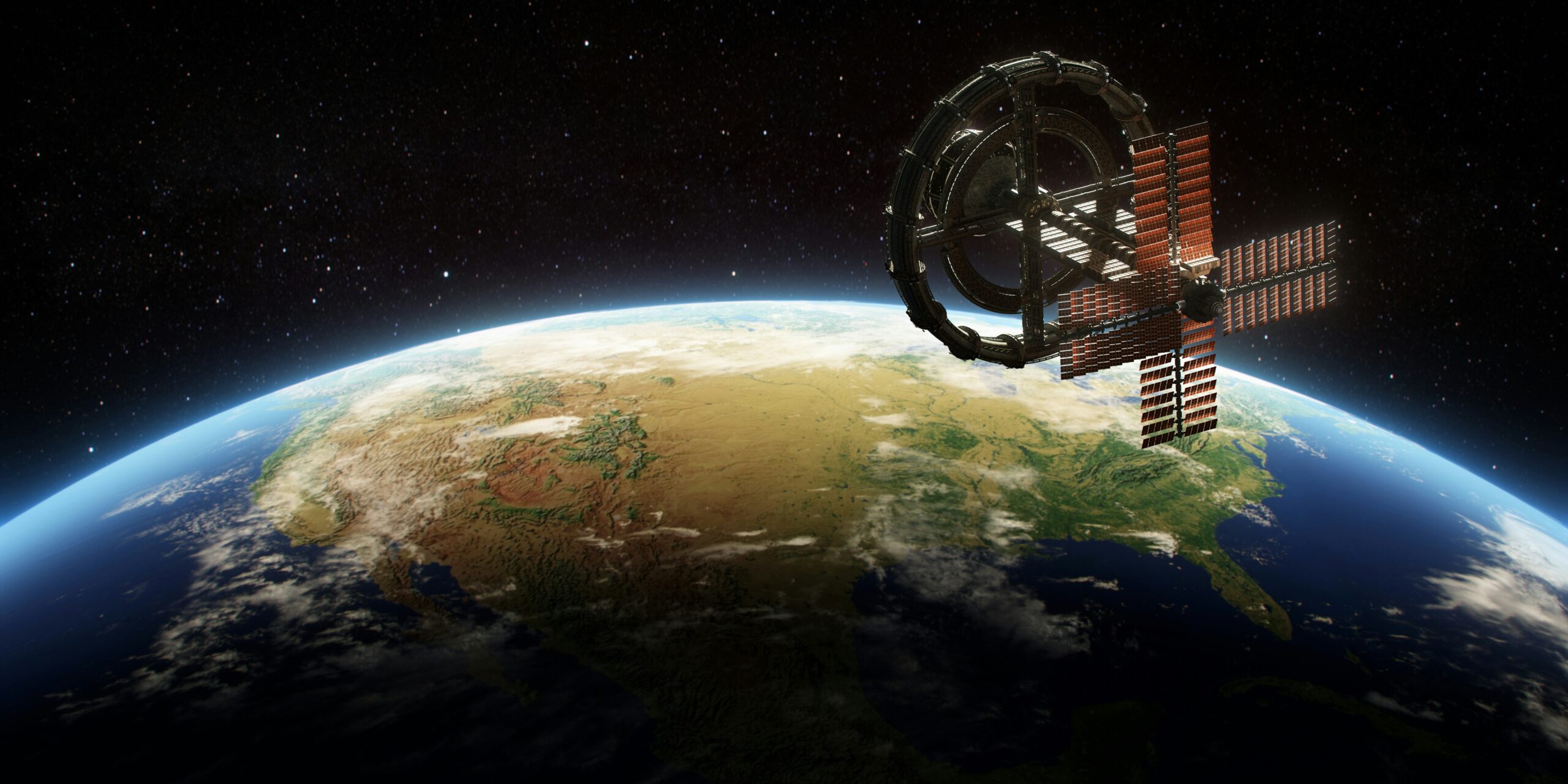
On January 11, 2026, space weather forecasters continued to closely monitor solar activity that has the potential to influence geomagnetic conditions across the United States. While the current solar activity does not pose an immediate health crisis, specialists from the Space Weather Prediction Center have warned that fluctuations in the Earth’s magnetosphere could lead to subtle effects for certain individuals. People who are sensitive to environmental changes may experience mild disruptions, including sleep disturbances, fatigue, or even headaches, as a result of these fluctuations.
The ongoing forecast period serves as an important reminder for both healthcare providers and the general public to stay informed about space weather advisories. Though the effects of solar activity on human health are typically minimal and not a cause for widespread concern, it is crucial for those who are particularly sensitive to environmental factors to be aware of potential impacts. Health professionals are encouraged to educate patients about the possibility of these effects and offer guidance on managing symptoms should they occur.
In addition to the potential health effects, officials have also pointed out that space weather can influence technological systems. GPS and communication systems may experience temporary variances or disruptions during periods of heightened solar activity. These temporary effects underscore the importance of preparedness, especially for industries that rely on satellite technology for navigation, communication, or weather monitoring. While the disruptions are generally short-lived, they serve as a reminder of the vulnerabilities associated with space weather and the need for continued monitoring and forecasting.
Overall, while space weather events like solar storms are not typically a direct threat to public health, they do highlight the interconnectedness of our technology-driven society and the environment. As we continue to rely more on satellite systems and GPS for daily activities, understanding and preparing for the potential impacts of space weather will become increasingly important. Public awareness and preparation, rather than alarm, remain the key to managing the subtle effects of solar activity as we move further into the year.
