




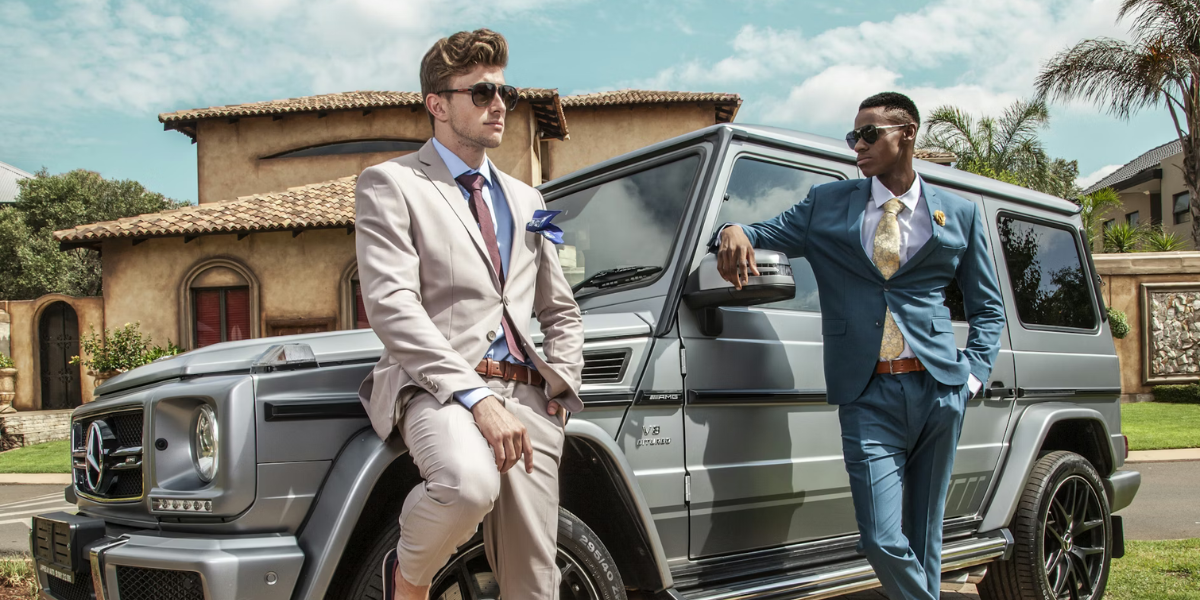
As April 2026 begins, men’s fashion in the United States is undergoing a noticeable shift toward practicality, versatility, and long-term value. Industry reports and retail data released this week highlight a growing preference for clothing and accessories that balance style with functionality, reflecting broader lifestyle changes among modern consumers. From tailored casualwear to upgraded everyday essentials, the latest trends point to a more intentional approach to dressing across all age groups.
One of the most prominent developments this season is the rise of “refined casual” dressing. This style blends structured pieces such as lightweight blazers with relaxed staples like premium T-shirts and tailored trousers. Retailers have reported increased demand for neutral color palettes, including shades of beige, navy, olive, and gray, which allow for easy mixing and matching. The emphasis is on building a cohesive wardrobe where individual pieces can be worn across multiple settings, from casual meetings to social outings.
For younger professionals in their 20s and early 30s, versatility is a key priority. Many are investing in smart-casual outfits that transition seamlessly between work and leisure. Slim-fit chinos, breathable button-down shirts, and minimalist sneakers have become staple items. Footwear, in particular, is seeing a shift toward clean, understated designs that prioritize comfort without sacrificing appearance. This trend reflects a broader movement toward simplifying wardrobe choices while maintaining a polished look.
Men in their late 30s to 50s are driving demand for higher-quality fabrics and tailored fits. There is a noticeable increase in interest in garments made from natural materials such as cotton, linen, and wool blends, which offer durability and comfort. Lightweight knitwear and unstructured jackets are especially popular this season, providing a balance between formality and ease. These pieces are often paired with classic leather accessories, including belts and loafers, reinforcing a timeless aesthetic that remains relevant year after year.
Accessories are also playing a more significant role in men’s style this spring. Functional items such as crossbody bags, leather backpacks, and durable watches are gaining traction as both practical and stylistic additions. Many consumers are prioritizing accessories that serve a purpose while complementing their overall look. Sunglasses with classic frames, such as aviators and wayfarers, continue to be strong sellers, offering a reliable option that suits a wide range of face shapes and personal styles.
Another key trend emerging in April 2026 is the growing popularity of performance-inspired clothing. As more individuals adopt active lifestyles, there is increased demand for apparel that can support both movement and everyday wear. Stretch fabrics, moisture-wicking materials, and lightweight outerwear are being incorporated into daily wardrobes. This shift is particularly evident in urban areas, where men are seeking clothing that adapts to busy, on-the-go routines.
Self-improvement and personal presentation are also influencing purchasing decisions. Grooming and fit are becoming as important as the clothing itself. Tailoring services are seeing renewed interest, with more men opting to adjust off-the-rack garments for a better fit. This attention to detail enhances overall appearance and reinforces confidence, which many style experts consider a fundamental aspect of modern menswear.
For older demographics, particularly men aged 50 and above, comfort and sophistication remain central. However, there is a growing openness to incorporating contemporary elements into traditional wardrobes. Lightweight jackets, modern-cut trousers, and updated footwear styles are being adopted while maintaining a classic foundation. This approach allows for a refreshed appearance without straying too far from established personal style preferences.
Retail analysts note that consumers are increasingly focused on long-term value rather than fast fashion. Shoppers are choosing fewer, higher-quality items that can withstand repeated use and remain stylish over time. This mindset is influencing brands to prioritize durability, craftsmanship, and timeless design in their collections.
Key takeaways from the latest developments in men’s fashion include the importance of versatility, the shift toward quality over quantity, and the integration of function into everyday style. Across all age groups, there is a clear movement toward building wardrobes that are both practical and refined.
As the season progresses, these trends are expected to shape purchasing behavior and influence how men approach personal style. The focus on adaptable clothing, thoughtful accessories, and self-improvement reflects a broader evolution in menswear, one that aligns with the demands of modern life while maintaining a strong sense of individuality.
