Men’s fashion in the United States is entering a new phase this spring, defined by versatility, comfort, and long-term value. Recent industry data shows a clear shift toward practical style choices that balance aesthetics with functionality. As more professionals adapt to hybrid work environments and evolving social routines, clothing and accessories are being chosen not just for appearance, but for adaptability across different settings.
Menswear sales continue to grow steadily in 2026, with increased demand for casual tailoring, performance fabrics, and minimalist accessories. At the same time, consumers are prioritizing quality and longevity over fast fashion, particularly among men in their mid-20s to mid-40s.
The Rise of “Smart Casual” as a Daily Standard
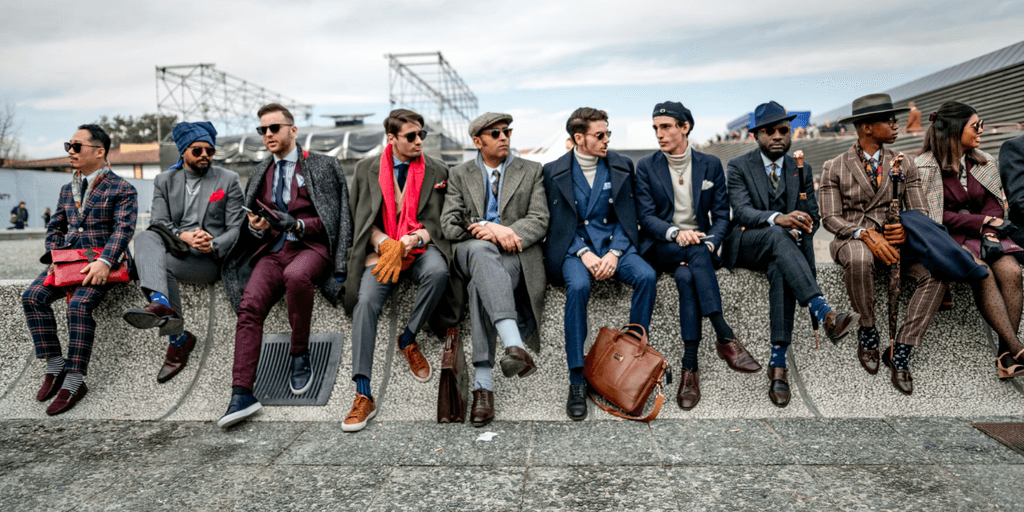
One of the most prominent trends this season is the continued dominance of smart casual attire. Blazers made from stretch fabrics, unstructured jackets, and breathable button-down shirts are becoming staples in men’s wardrobes. These pieces offer a polished appearance without sacrificing comfort.
Lightweight tailoring is outperforming traditional formalwear. Items such as knit blazers and hybrid trousers, which combine the look of dress pants with the feel of athletic wear, are seeing increased adoption. This reflects a broader shift in workplace culture, where strict dress codes are being replaced by more flexible standards.
Stylists recommend investing in neutral colors like navy, beige, and charcoal, which can be easily mixed and matched. This approach simplifies outfit choices and maximizes wardrobe efficiency.
Performance Fabrics Gain Popularity
Another major development in men’s fashion is the growing use of performance fabrics. Originally designed for athletic wear, these materials are now being incorporated into everyday clothing. Features such as moisture-wicking, wrinkle resistance, and temperature regulation are becoming standard in shirts, pants, and outerwear.
Demand for performance-based menswear has increased significantly in recent years. Consumers are drawn to clothing that can transition seamlessly from work to leisure activities, making it ideal for modern, on-the-go lifestyles.
For men balancing busy schedules, this trend offers a practical advantage. Clothing that requires less maintenance while maintaining a sharp appearance is increasingly valued.
Accessories Shift Toward Minimalism
Accessories in 2026 are defined by simplicity and purpose. Oversized logos and flashy designs are being replaced by clean lines and subtle details. Watches, belts, and bags are increasingly selected for their craftsmanship and versatility rather than brand prominence.
Leather accessories in classic tones like brown and black remain popular, while interest in sustainable materials is also growing. This reflects a broader awareness of environmental considerations among today’s consumers.
Watches continue to serve as both functional and style-enhancing pieces. While digital wearables remain widely used, traditional analog designs are regaining attention for their timeless appeal.
Grooming and Self-Presentation as Part of Style
Modern men’s style extends beyond clothing to include grooming and overall presentation. Skincare and haircare routines are now widely viewed as essential components of personal style.
Classic hairstyles such as fades and textured cuts remain popular, offering a clean and professional look. Maintaining consistent grooming habits contributes not only to appearance but also to confidence in both social and professional settings.
Age-Specific Style Guidance
While trends provide direction, personal style evolves with age and lifestyle. Adapting trends to suit individual needs is key to maintaining a refined appearance.
- Men in their 20s can explore contemporary fits and layering while building a foundational wardrobe.
- Men in their 30s benefit from investing in high-quality essentials like tailored jackets and versatile footwear.
- Men in their 40s and beyond often prioritize timeless pieces, comfort, and premium materials.
This progression reflects a natural shift from experimentation to refinement, aligning with changing priorities and responsibilities.
Investment Dressing Gains Momentum
A defining theme in 2026 is the rise of investment dressing. Instead of purchasing large quantities of lower-cost clothing, many men are choosing fewer, higher-quality items that offer durability and long-term value.
This mindset encourages thoughtful purchasing decisions. Items such as well-tailored blazers, durable shoes, and structured outerwear can elevate a wardrobe while providing consistent use over time.
Key Takeaways
The latest trends in men’s fashion highlight a practical and refined approach to style:
- Versatility is essential for modern wardrobes.
- Comfort and performance are now central to everyday clothing.
- Minimalist accessories enhance overall presentation.
- Grooming plays a key role in personal style.
- Investing in quality pieces provides long-term value.
For men looking to improve their style, the current landscape offers clear guidance. Building a wardrobe centered on adaptable, well-made items can simplify daily dressing while maintaining a polished and confident appearance.

Men’s Insider Contributor
Ethan Marsh
Covers health, fitness, and modern lifestyle, with a focus on practical habits and the long game of staying well.
This article features partner, contributor, or branded content from a third party. Members of the Men’s Insider editorial staff were not involved in the creation of this content. All views and opinions are those of the contributor alone.