
Lando.eu reflects a broader shift in eyewear, where consumers are increasingly evaluating materials, design, and long-term usability alongside branding when considering value.
There is a familiar moment in modern retail that happens almost without noise. A person picks up a pair of sunglasses, turns them under the light, notices the finish, then looks at the price with a longer pause than expected. The question is no longer just about style or fit. It becomes something more considered: what determines this price, and what is being evaluated in the purchase decision?
Across Europe, this question is becoming more common. Consumers are paying closer attention to how products are made, what materials are used, and how long an item is likely to remain relevant in everyday use. This shift is gradually influencing the eyewear category, where material choice, construction, and usability are increasingly part of how value is assessed.
A Shift in How Value Is Perceived
In eyewear, pricing has traditionally been associated with branding, design positioning, and retail structure. However, recent consumer behavior suggests a broader set of considerations is emerging. Rather than relying solely on brand recognition, buyers are increasingly interested in what contributes to durability, comfort, and long-term wearability.
“In eyewear, the difference in price is often driven more by branding than by the product itself,” says Gabor Apati, CEO and Co-founder of Lando.eu. His observation reflects a wider industry discussion about how value is communicated and understood.
Materials as a Point of Focus
One of the most notable developments in the eyewear space is the growing attention to materials. Instead of focusing only on aesthetics, consumers are showing greater interest in what a frame is made of and how it performs over time.
Some eyewear producers, including Lando.eu, use Italian Mazzucchelli acetate in their frames. Acetate is widely recognized in the industry for its durability, flexibility, and polished finish. It is also known for maintaining structure while providing a comfortable wearing experience over time.
This increased awareness of materials reflects a broader shift in consumer behavior, where product composition is becoming part of the evaluation process rather than a technical detail left to manufacturers.
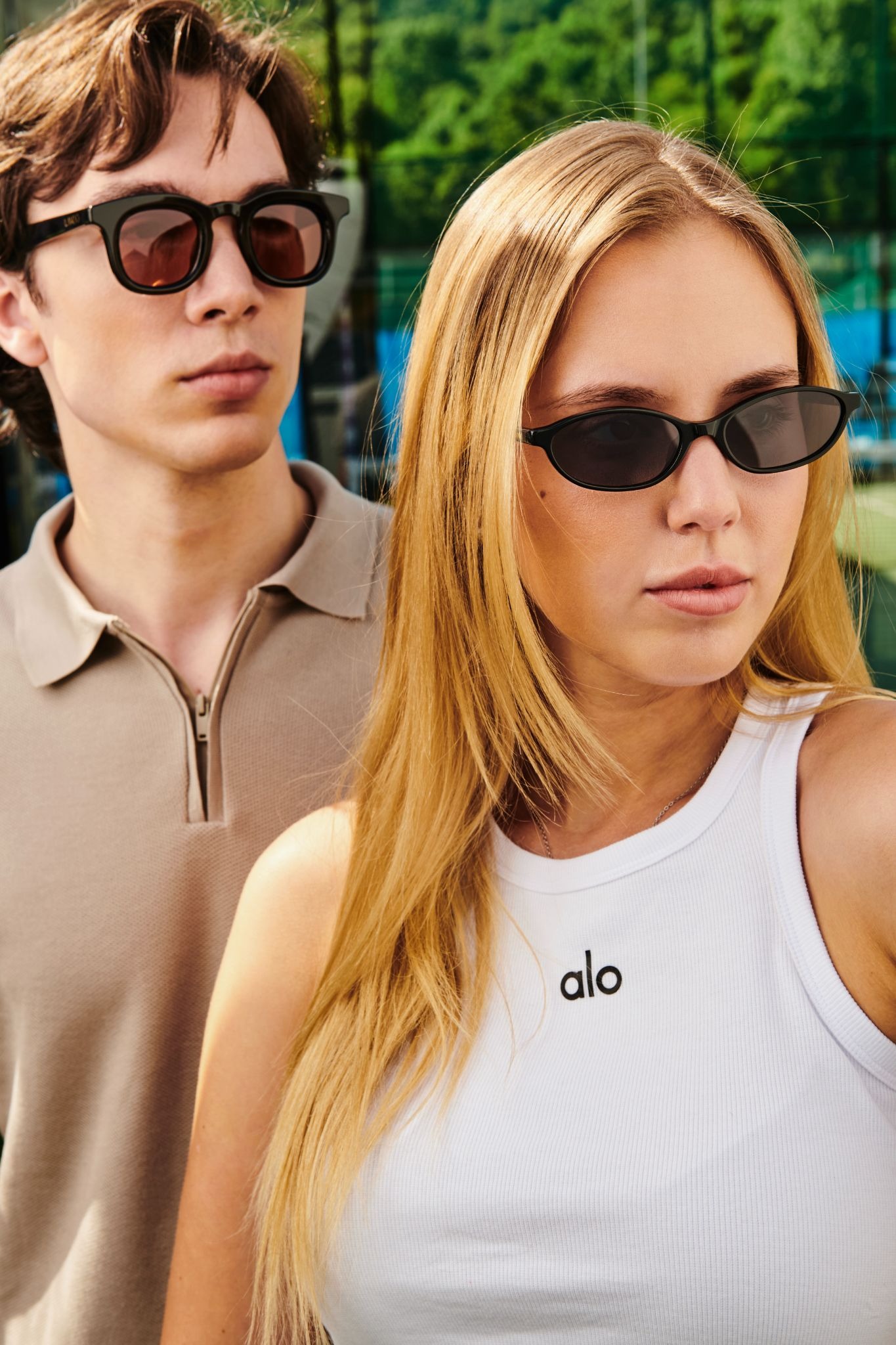
“We didn’t want to build another logo-driven brand. We wanted to focus on what people actually wear every day,” Apati explains. The statement highlights a product-centered approach that prioritizes everyday usability over visual branding cues.
Design and Longevity
Alongside materials, design is increasingly being evaluated through the lens of longevity. Rather than following rapid seasonal changes, many consumers are looking for eyewear that can remain relevant across different contexts and over longer periods of use.
In this context, simplicity in design has taken on a functional role. Clean lines and balanced proportions are often associated with adaptability, allowing frames to transition between professional and casual environments without appearing tied to a specific trend cycle.
Lando.eu’s design approach aligns with this broader direction in the category, emphasizing proportion, restraint, and usability. While these elements are not always immediately visible, they tend to become more apparent through regular wear.
“Once you understand what goes into a good pair of sunglasses, it becomes much easier to see the difference,” Gabor Apati notes. The comment reflects a broader shift toward consumer education and awareness around product construction.
Changing Expectations in the Eyewear Market
Consumer expectations in eyewear continue to evolve alongside wider changes in retail behavior. Many buyers now consider factors such as comfort, material quality, and long-term usability alongside aesthetics and brand identity.
This shift is gradual rather than disruptive, reflecting a broader movement toward more considered purchasing decisions. Products are increasingly assessed based on how they integrate into daily life rather than how they are positioned in marketing.
Within this context, some brands, including Lando.eu, operate with a focus on direct customer engagement and product feedback loops. This structure allows for closer attention to user experience and pricing alignment with production and materials rather than additional distribution layers.
“There is a growing demand for products that balance quality and price without unnecessary markups,” says Gabor Apati. The observation reflects a wider reassessment of value across consumer goods categories.

A More Material-Focused Perspective
As the eyewear category continues to develop, discussions around value are increasingly centered on tangible factors such as materials, construction, and long-term usability. Branding remains a factor, but it is no longer the sole determinant for many consumers.
Lando.eu is part of this broader shift in focus, where product evaluation is influenced by how an item performs over time rather than how it is initially presented. The use of materials such as Italian acetate and an emphasis on balanced design reflect this direction within the category.
This evolving perspective is shaping how eyewear is both produced and evaluated, with consumers placing greater emphasis on function and durability alongside aesthetics.
Additional Context
More information about Lando.eu and its collections is available at lando.eu. The brand also shares updates and product-related content through its social platforms, including YouTube, Instagram, and TikTok.
Customer feedback is also publicly available through third-party review platforms such as Trust Pilot, where users share experiences related to product fit, comfort, and design preferences.

Men’s Insider Contributor
Ethan Marsh
Covers health, fitness, and modern lifestyle, with a focus on practical habits and the long game of staying well.
This article features partner, contributor, or branded content from a third party. Members of the Men’s Insider editorial staff were not involved in the creation of this content. All views and opinions are those of the contributor alone.