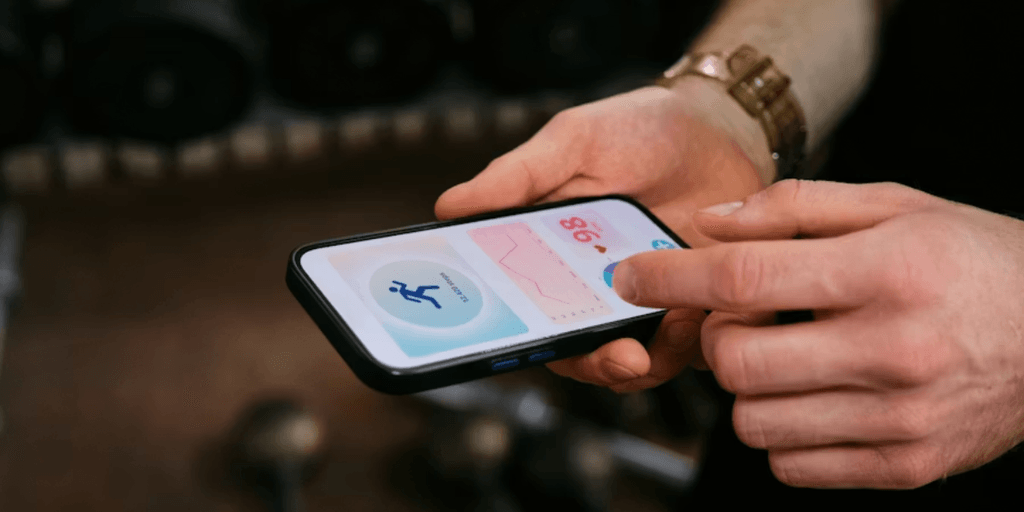
On April 8, 2026, the United States introduced a major nationwide initiative aimed at integrating advanced fitness technology into everyday life, marking a significant step forward in how Americans approach health, performance, and self-improvement. The program, launched through a collaboration between leading tech companies, fitness brands, and public health organizations, focuses on expanding access to wearable fitness devices, AI-driven training tools, and smart gym infrastructure.
The initiative reflects a growing shift toward personalized health and performance optimization, particularly among men seeking efficient, data-driven ways to improve physical fitness, endurance, and overall well-being. By combining cutting-edge technology with accessible platforms, the program aims to bridge the gap between professional athletic training and everyday fitness routines.
At the core of the initiative is the rollout of next-generation wearable devices capable of tracking more advanced metrics than ever before. These include real-time muscle fatigue analysis, hydration monitoring, sleep recovery scoring, and cardiovascular performance indicators. The demand for personalized fitness tracking has increased significantly in recent years, driven by a growing awareness of long-term health and performance optimization.
In addition to wearables, the initiative introduces AI-powered coaching systems that adapt workouts based on individual performance data. These systems analyze user inputs such as heart rate variability, workout history, and recovery time to generate customized training plans. This technology allows users to train smarter rather than harder, reducing the risk of injury while maximizing results.
Major fitness equipment manufacturers are also participating by upgrading gyms across the country with smart machines. These machines automatically adjust resistance, track repetitions, and provide real-time feedback through integrated displays. Smart gym technology is expected to become a standard feature in both commercial and home fitness environments over the next few years.
One of the most notable aspects of the initiative is its emphasis on accessibility. The program includes partnerships with community centers and workplaces to ensure that advanced fitness tools are not limited to high-end gyms or elite athletes. By making these technologies more widely available, organizers aim to encourage consistent physical activity across different age groups and lifestyles.
For many men balancing careers, family responsibilities, and personal goals, this development offers a practical solution to maintaining fitness without sacrificing time. The integration of AI coaching and wearable tracking allows for shorter, more efficient workouts that still deliver measurable results. Consistent, moderate physical activity remains essential for long-term health and overall well-being.
The initiative also places a strong focus on recovery and injury prevention, areas that have traditionally been overlooked in mainstream fitness culture. New tools provide insights into sleep quality, stress levels, and muscle recovery, helping users avoid overtraining. Experts emphasize that recovery is a critical component of performance, particularly for men engaging in strength training or high-intensity workouts.
Beyond individual benefits, the program is expected to have a broader impact on the fitness industry. Analysts predict increased innovation in fitness apps, wearable technology, and smart equipment as companies compete to offer more advanced and user-friendly solutions. This could lead to more affordable options and greater adoption across different demographics.
From a lifestyle perspective, the initiative reflects a broader cultural shift toward proactive health management. Rather than reacting to health issues after they arise, more individuals are taking a preventative approach, using data and technology to guide their daily habits. This trend is particularly relevant for men looking to maintain energy levels, improve physical performance, and support long-term wellness.
Key takeaways from the launch highlight the growing importance of personalization in fitness, the role of technology in enhancing efficiency, and the increasing accessibility of advanced training tools. For readers, the message is clear. Fitness is evolving beyond traditional routines, offering smarter, more adaptable solutions that fit modern lifestyles.
As the initiative rolls out nationwide, it is expected to reshape how people approach exercise, recovery, and overall health. Whether through wearable devices, AI coaching, or smart gym equipment, the future of fitness is becoming more connected, personalized, and results-driven.
For men seeking to optimize their routines and stay ahead in both health and performance, this development represents a meaningful step forward.

Men’s Insider Contributor
Nicole Warren
Covers entrepreneurship, career growth, and business trends with accessible insights for a broad audience.
This article features partner, contributor, or branded content from a third party. Members of the Men’s Insider editorial staff were not involved in the creation of this content. All views and opinions are those of the contributor alone.