




Men struggle to understand their wives’ emotional shifts during midlife. Education and emotional leadership can help.
For many good men, it starts with confusion.
The woman you love seems different. Her moods shift quickly. She’s more emotional, more irritable, or suddenly withdrawn. Intimacy feels unpredictable, or disappears entirely. Conversations that once felt easy now feel loaded, and no matter how careful you are, it seems like you’re always getting it wrong.
You start asking questions you never thought you’d ask:
What happened to the woman I married?
Why does it feel like I’m losing her?
What am I supposed to do now?
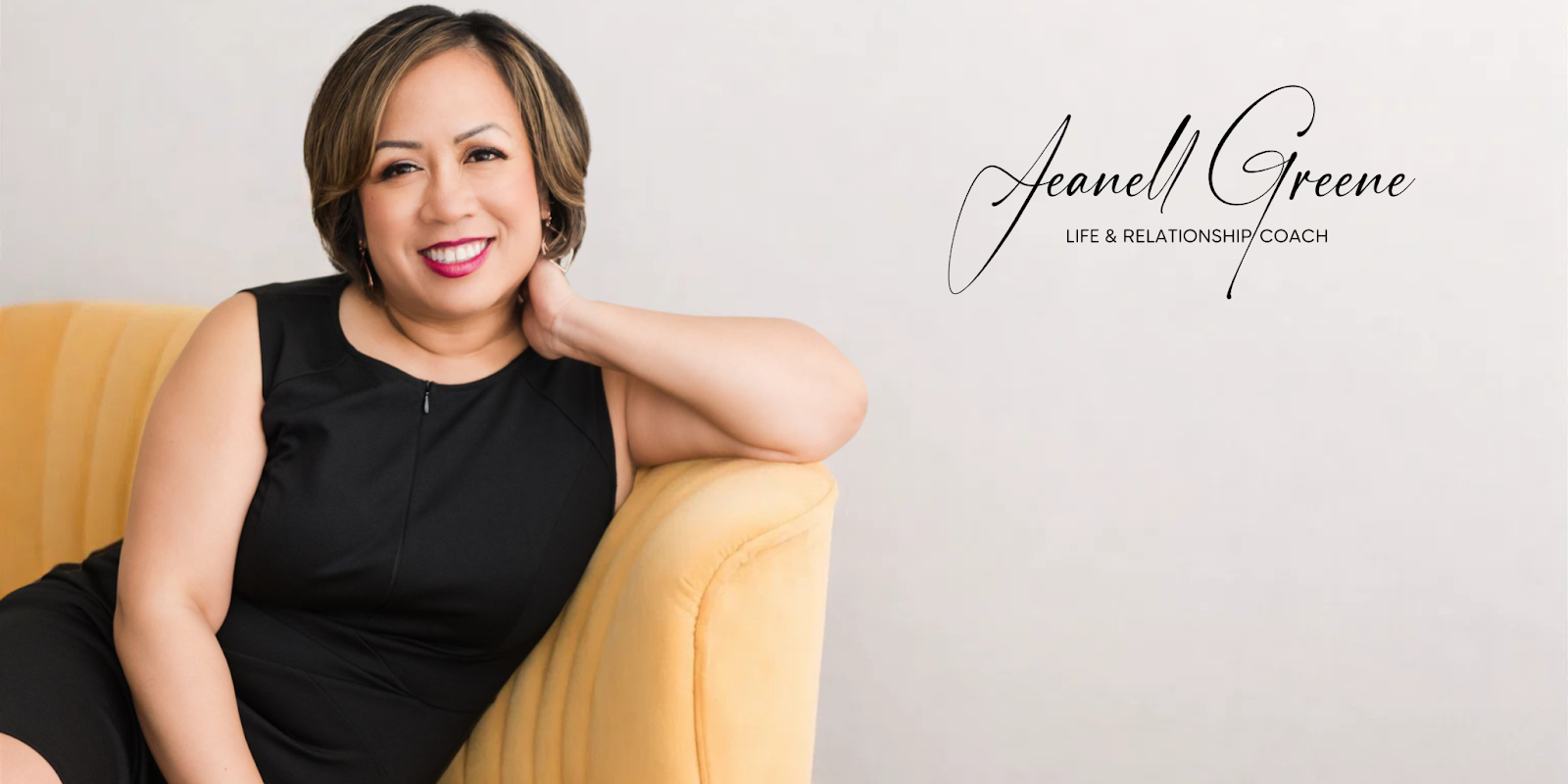
According to Jeanell Greene, a relationship coach and marriage strategist who works with midlife couples, this moment is where many good men quietly fall short, not because they don’t care, but because they were never informed.
“It’s not their fault,” Greene says. “Men were never taught what menopause is, how deeply it can affect a woman emotionally, or how much it can change the dynamic of a relationship. They’re expected to adapt without understanding what’s happening.”
Good Men Are Falling Behind, Not Because They Don’t Care, But Because No One Taught Them
Today’s men are expected to be emotionally available, patient, supportive, strong, and steady, especially when things get hard at home. But when a partner’s emotional world suddenly shifts, most men are left guessing.
They’re told to communicate better.
To be more empathetic.
To “just understand.”
But no one explains why the relationship feels different.
Menopause, despite affecting the vast majority of women, was barely discussed for decades. Only within the last ten years has meaningful education begun to enter the mainstream. For generations, women were expected to suffer through it silently, and men were expected to figure it out on their own.
That silence has created unnecessary confusion and loneliness.
Menopause Doesn’t Just Affect Her Body, It Reshapes the Relationship
Most people associate menopause with hot flashes. Few understand the full picture.
Menopause and the years leading up to it can impact a woman’s internal thermostat, sleep, mood stability, energy levels, fatigue, libido, emotional sensitivity, and even cognitive clarity. When sleep is disrupted and the nervous system is overloaded, emotional regulation becomes harder. Small stressors feel big. Intimacy can feel overwhelming instead of connecting.
From the outside, it can look like rejection.
From the inside, it often feels like survival.
“For men, this is where the pain sets in,” Greene explains. “They take the emotional fluctuations and drop in libido personally. They start questioning their worth, their attractiveness, their partners engagement in the relationship.”
And because no one explains what’s happening, good men internalize it as failure.
The Part No One Talks About: Men Go Through Hormonal Changes Too
What often gets missed in this conversation is that men are not immune to midlife biological change.
Men experience their own hormonal transition, commonly referred to as andropause. Unlike menopause, it’s rarely talked about, rarely normalized, and even more rarely explained. Testosterone levels can gradually decline with age, and for many men, the effects are subtle, but powerful.
Men may notice changes in mood, increased irritability, low-grade depression, anxiety, lack of motivation, difficulty focusing, reduced confidence, decreased libido, and a general sense of fatigue or emotional flatness. Some describe it as feeling less driven, less clear, or less like themselves.
“The difference is that men are often taught to ignore it,” Greene says. “They push through. They work harder. They stay quiet. And because there’s so little education around andropause, most men don’t realize what they’re experiencing may have a physiological component.”
When both partners are going through internal changes, often at the same time, the relationship can become the pressure cooker where everything spills out and explodes.
This is why education matters.
When couples understand that both partners may be navigating hormonal, emotional, and identity shifts, blame begins to soften. Compassion increases. And instead of fighting each other, couples can start facing the challenge together.
“Men Just Want to Feel Wanted and Needed”
This is the part that rarely gets said out loud.
Most men don’t want to fix their wives. They don’t want to argue. They don’t want to be at odds with the woman they love. What they want is to feel wanted, needed, confident, and capable.
They want to know how to support her without making things worse.
They want to know how to lead without controlling.
They want to know how to be her safe place again.
“Men want to be their wife’s hero,” Greene says. “They want to feel confident in how they show up. When that confidence disappears, everything else follows.”
Greene openly acknowledges that she has a soft spot for men, especially good men who are trying, who care deeply, and who feel overwhelmed by emotional dynamics they were never taught to navigate.
“Men are underrepresented when it comes to emotional support,” she explains. “There are far fewer safe spaces for men to talk about confusion, fear, rejection, or loss of confidence without being judged.”

Emotional Leadership: What Men Were Never Taught, but Now Need
At the core of Greene’s work is emotional leadership.
Not dominance.
Not control.
Not fixing.
Emotional leadership is the ability to stay grounded under pressure, respond instead of react, and create emotional safety when things feel unstable. It’s knowing how to support without withdrawing and how to stay connected without taking emotional shifts personally.
“Most men were never taught these skills,” Greene says. “They weren’t modeled. They weren’t explained. And they weren’t needed, until now.”
When men learn emotional leadership, the relationship dynamic changes. Tension softens. Conversations become safer. Intimacy has room to return, naturally, not forced.
And perhaps most importantly, men hold enormous influence in the emotional tone of the home.
“When men lead emotionally, the home becomes calmer,” Greene says. “Kids feel it. Partners feel it. Peace and safety start with leadership, and men are uniquely positioned to provide that.”
Why ‘Cracking the Wife Code’ Was Created

After years of working with overwhelmed, discouraged men who genuinely wanted to do better, Greene created a free training called, “Cracking the Wife Code: How to handle her Emotions like a Boss”.
The purpose was simple: explain what no one ever explained to men.
The video walks men through what may be happening emotionally and hormonally for their wives, why common reactions often backfire, and what actually helps rebuild trust, safety, and connection during this season of life.
“I created it because men deserve clarity,” Greene says. “They deserve to know this isn’t their fault, and that there is something they can do.”
Rather than criticism or clichés, the training offers practical guidance that helps men feel confident, capable, and effective again in their marriage.
A Message Men Need to Hear
If you’re a man feeling confused, rejected, or unsure of your place in your relationship, hear this clearly:
You are not broken.
Your marriage is not doomed.
And you are not failing.
You were simply never given the information or tools required for this chapter.
With education, emotional leadership, and the right guidance, many marriages don’t just survive midlife, they deepen.
About Jeanell Greene
Jeanell Greene is a relationship coach and marriage strategist with over 20 years of experience helping men and couples navigate emotional disconnection, midlife transitions, and intimacy challenges. Happily married for 20 years, she is known for helping couples move from disconnected roommates back into confident, playful partners by teaching emotional leadership and practical relationship skills.
The free 25-minute training, Cracking the Wife Code; How to Handle her Emotions Like a Boss, can be accessed here:
https://relationshiprebuild.ca/workshop-access, offering men practical guidance on supporting their wives, restoring confidence, and strengthening their marriage during midlife. To learn more about Jeanell Greene, visit www.jeanellgreene.com.
