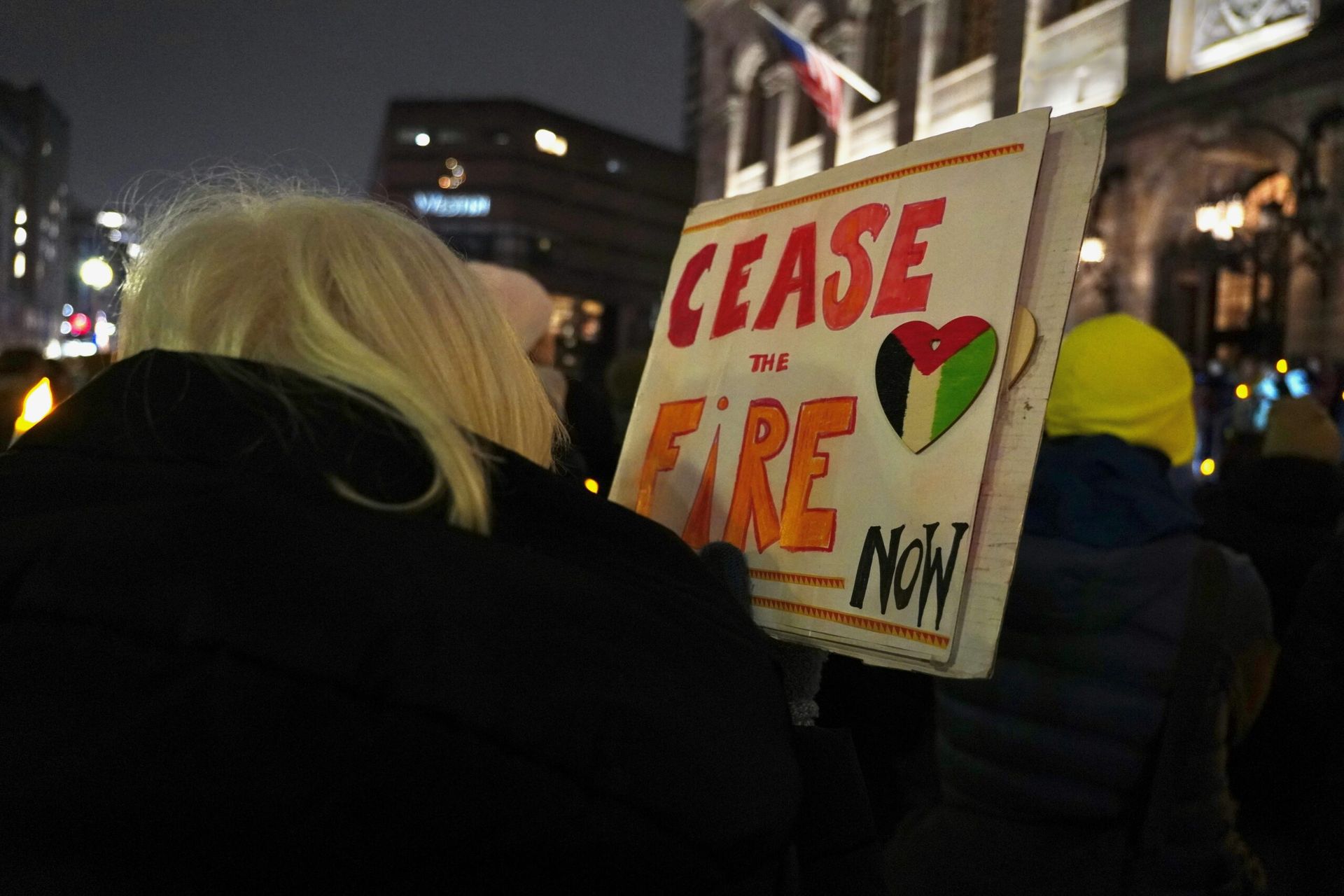
On January 15, 2025, a historic ceasefire agreement was reached between Israel and Hamas, ending 15 months of intense and destructive fighting in the Gaza Strip. The ceasefire, brokered by Egypt, Qatar, and the United States, marks a pivotal moment in the ongoing Israeli-Palestinian conflict and offers a glimmer of hope for peace in the region. The agreement, set to take effect on January 19, 2025, will see both sides halt military operations for a six-week period, allowing for much-needed humanitarian aid and reconstruction to begin in Gaza.
This agreement has been hailed as a diplomatic breakthrough, as it provides an opportunity to address the immediate humanitarian crisis that has plagued Gaza throughout the conflict. One of the key provisions of the ceasefire is the exchange of hostages and prisoners, a critical aspect for both parties and their respective communities. Furthermore, the agreement includes provisions for the opening of humanitarian corridors, ensuring the delivery of vital supplies and medical aid to the Palestinian population in Gaza, who have endured severe deprivation due to the ongoing hostilities.
The international community has expressed a mix of relief and cautious optimism following the announcement of the ceasefire. International relief organizations have welcomed the agreement, highlighting that it provides a window of opportunity to address the dire needs of Gaza’s population, whose homes, infrastructure, and vital services have been devastated by the conflict. Rebuilding efforts are set to commence, but experts stress that the physical and psychological scars of the war will take years, if not decades, to heal fully.
However, while the ceasefire is a crucial first step toward easing the humanitarian crisis, it is important to note that the underlying political issues fueling the Israeli-Palestinian conflict remain unresolved. Issues such as the status of Jerusalem, the recognition of a Palestinian state, and the security concerns of both Israelis and Palestinians continue to pose significant challenges to any long-term peace agreement. The ceasefire, although promising, does not address these core issues, which will need to be tackled if there is to be any hope for a lasting resolution.
The ceasefire has brought a sense of cautious optimism to the international community. Diplomats and experts are viewing it as a potential springboard for renewed peace talks. Still, they acknowledge that its success will depend heavily on the willingness of both Israel and Hamas to adhere to the terms of the agreement and engage in meaningful dialogue. Both sides have long been entrenched in their positions, and the path to a sustainable peace remains fraught with obstacles.
The United Nations and other global actors have emphasized the need for a comprehensive, lasting solution to the conflict. Such a solution would need to address not only the immediate humanitarian concerns but also the broader political and territorial disputes. For peace to truly take hold in the region, both Israeli and Palestinian aspirations must be recognized, and their security concerns must be addressed in a way that leads to long-term stability and cooperation.
While the ceasefire agreement represents a hopeful step forward, the road to peace remains uncertain, and only time will tell if this agreement will serve as the foundation for a more lasting and comprehensive resolution to the Israeli-Palestinian conflict.

Men’s Insider Contributor
Marcus Hale
Covers sport and breaking news, following the competition and the people at the centre of the story.
This article features partner, contributor, or branded content from a third party. Members of the Men’s Insider editorial staff were not involved in the creation of this content. All views and opinions are those of the contributor alone.