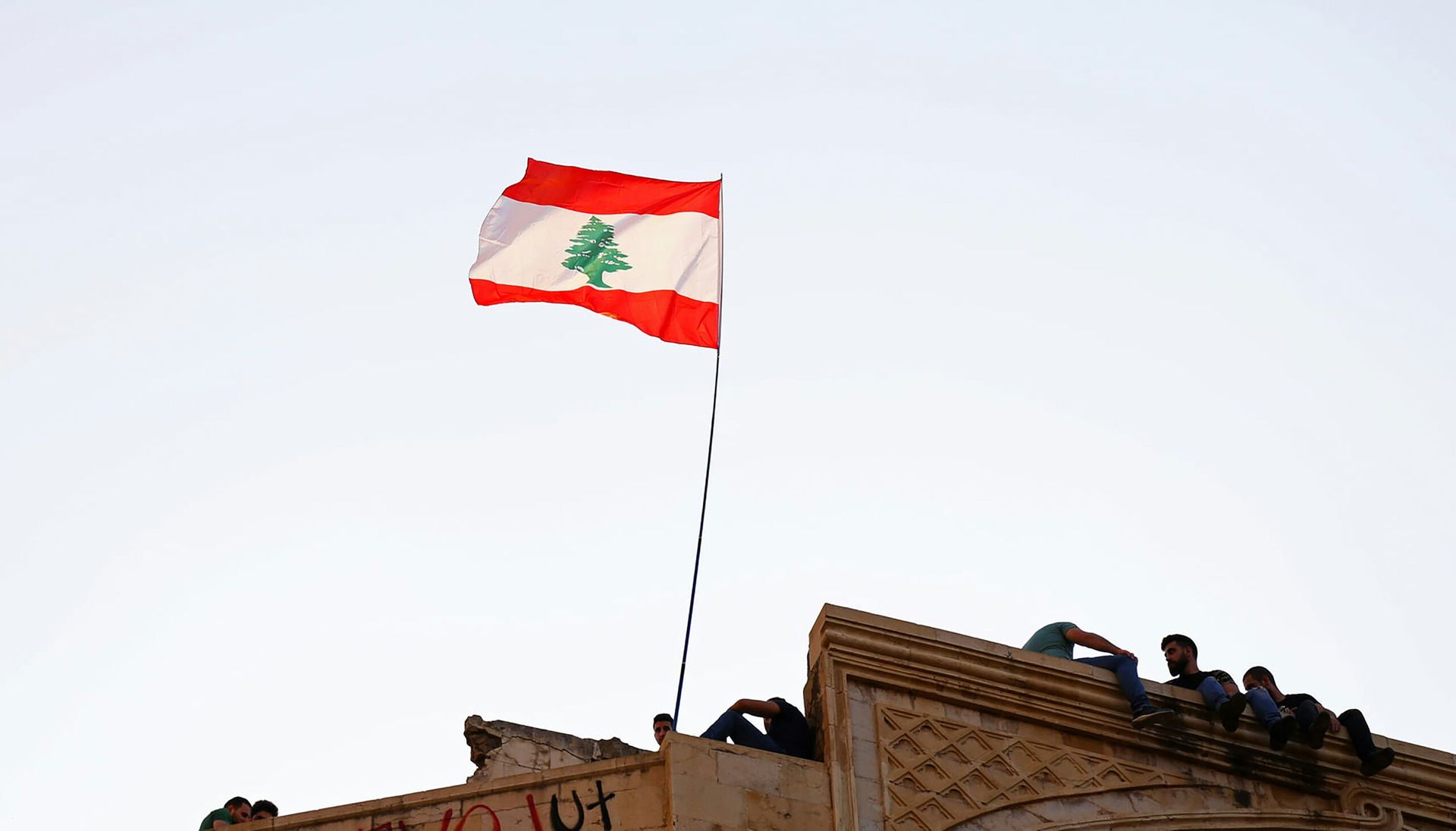
On January 13, 2025, Lebanon’s parliament elected Nawaf Salam as the country’s new Prime Minister, following months of political deadlock. Salam, who is also the president of the International Court of Justice, received overwhelming support from the majority of parliamentary factions, including those backed by Western nations and Saudi Arabia. His election is seen as a crucial step toward stabilizing Lebanon’s fractured political system, which has long been mired in crisis and instability.
Lebanon has faced severe challenges in recent years, including a political vacuum that emerged after the resignation of former Prime Minister Saad Hariri in 2024. The country has been gripped by political paralysis, an economic meltdown, and the enduring consequences of decades of sectarian conflict. Salam’s appointment is seen as a necessary intervention to break this deadlock, with hopes that his leadership will begin to address Lebanon’s most urgent problems, such as economic collapse, corruption, and the massive influx of refugees from neighboring Syria.
Despite the widespread support for Salam’s nomination, his appointment has not been without controversy. Hezbollah, the powerful Shiite militant group and political party, along with its allies, chose to boycott the parliamentary vote, citing concerns over Salam’s previous diplomatic efforts and his alignment with Western and Arab powers. Hezbollah has historically maintained a stance of resistance against Western influence in the region, and its opposition to Salam reflects the ongoing polarization within Lebanon’s political landscape. The group’s boycott highlights the difficulties Salam may face in forming a unified government, especially when dealing with deeply entrenched political factions.
Nevertheless, Salam’s victory is seen as a positive development for Lebanon in the international arena. Many believe that his election could help rebuild trust with Lebanon’s foreign partners, especially as the country continues to navigate its economic crisis. Salam’s background in international law and diplomacy, along with his reputation for being a neutral and capable figure, positions him as a leader who may be able to attract crucial international aid and support for Lebanon’s recovery.
As Lebanon’s new Prime Minister, Salam will face a monumental task in managing the country’s complex political system, where sectarian divisions have long hindered effective governance. His leadership will be tested in several key areas, including tackling rampant corruption, addressing inflation, and improving the country’s strained infrastructure. Additionally, Lebanon’s ongoing refugee crisis, exacerbated by the war in Syria, will remain a significant challenge for his administration as it struggles to provide essential services to a population under extreme pressure.
While the road ahead is fraught with challenges, Salam’s appointment provides a glimmer of hope for a country desperate for stability and reform. His ability to navigate the delicate balance of Lebanon’s political landscape and implement meaningful change will ultimately determine whether his leadership can restore confidence and begin the process of rebuilding Lebanon’s institutions.

Men’s Insider Contributor
Marcus Hale
Covers sport and breaking news, following the competition and the people at the centre of the story.
This article features partner, contributor, or branded content from a third party. Members of the Men’s Insider editorial staff were not involved in the creation of this content. All views and opinions are those of the contributor alone.