




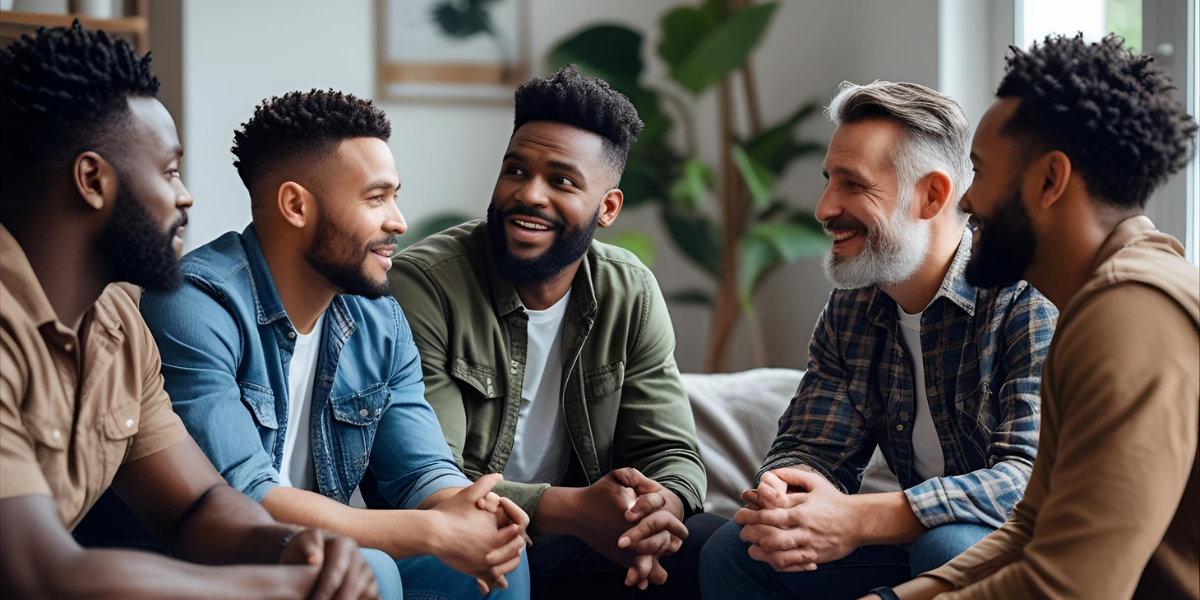
February 2022 marked a pivotal moment in the ongoing conversation surrounding mental health, particularly the challenges faced by men. As awareness grew, numerous initiatives focused on improving men’s mental well-being gained significant traction, reflecting a societal shift toward addressing emotional struggles traditionally overlooked in men. This development was evident not only in the surge of online searches for mental health topics but also through the support of public figures and new movements advocating for open discussions.
Increased Focus on Men’s Mental Health
A key indicator of the growing concern for men’s mental health was the sharp rise in mental health-related Google searches during early 2022. According to reports from Men’s Health Network, many people began seeking information and resources to help manage their mental well-being after two years of pandemic-related stress. With societal norms often discouraging men from addressing their emotional struggles, this increase in digital inquiries showed a more widespread acknowledgment of the need for change.
The pandemic placed immense strain on global mental health, and men, in particular, faced unique challenges during this period. Often expected to embody resilience and emotional toughness, many men found themselves struggling privately with issues such as depression, anxiety, and loneliness. The extended period of uncertainty led to a reevaluation of how emotional struggles should be approached and normalized. As a result, mental health became a priority for more men, with many looking for resources to better understand their feelings and find support.
The #MentalHealthMatters Movement
A major force for this cultural shift was the growth of the #MentalHealthMatters movement, an online campaign aimed at breaking the stigma surrounding men’s mental health. The initiative encouraged men to share their stories, be open about their emotional well-being, and seek help when needed. By taking to social media platforms, the campaign gained a wider audience and opened a vital dialogue around a topic once considered taboo in many communities.
The hashtag was particularly popular in February, with numerous celebrities and public figures showing support. Ryan Reynolds, known for his advocacy of mental health awareness, used his platform to speak out about his own mental health journey. His candid posts about personal struggles resonated with millions, helping to reduce the stigma surrounding emotional vulnerability. Reynolds’ involvement played a significant role in encouraging other men to follow suit and open up about their feelings, a sentiment echoed by athletes, actors, and mental health advocates.
The Role of Public Figures in Normalizing Mental Health Conversations
Public figures have long had the power to influence societal attitudes and perceptions. By using their visibility, they help shift cultural norms and open space for essential conversations. The support of celebrities like Reynolds is critical, especially in industries where masculinity often aligns with silence and stoicism. When high-profile individuals advocate for men to embrace their mental health struggles and seek help, it creates an environment where others feel more comfortable doing the same.
Reynolds, for instance, has shared how mental health challenges have affected both his personal life and his career. His transparent approach has proven that discussing mental health is not a weakness; rather, it is a necessary and courageous step in taking control of one’s well-being. His message reverberated through social media platforms, with his followers expressing gratitude and a new sense of empowerment to address their emotional health.
Breaking the Stigma Around Men’s Mental Health
For many years, emotional well-being in men was shrouded in shame. Society often dictated that men should remain stoic, hide their emotions, and bear their struggles alone. However, movements like #MentalHealthMatters are helping dismantle these outdated notions, allowing men to express themselves freely without fear of judgment. As the movement gained momentum, it was evident that a shift in mindset was taking place. Men are slowly being empowered to embrace their vulnerability, with many men coming forward to share their stories and encourage others to do the same.
This cultural shift is crucial in preventing mental health crises among men. In many parts of the world, men are more likely to suffer from mental health issues in silence, often leading to severe consequences such as substance abuse or even suicide. Reducing the stigma surrounding mental health enables men to reach out for help before reaching a crisis point, contributing to overall health and well-being.
Looking Ahead: Continued Growth for Men’s Mental Health
The growth of men’s mental health initiatives in February 2022 is just the beginning of what is expected to be a long-lasting movement. As conversations continue, there is a growing recognition that emotional health is just as important as physical health, and it requires the same level of attention and care.
Support for mental health needs to be integrated into various aspects of life, including workplaces, schools, and families. Communities must come together to provide the resources and support necessary to help men navigate their mental health journeys. Whether through professional therapy, peer support groups, or online resources, men need to feel empowered and equipped to take charge of their emotional health.
As the #MentalHealthMatters movement continues to gain traction, the goal is clear: create a society where men’s mental health is no longer a hidden topic but an openly discussed and prioritized issue. By breaking down societal barriers and encouraging men to speak out, there is hope for a future where mental health struggles are no longer seen as a sign of weakness but as an important part of living a fulfilling and balanced life.
