The American men’s fashion industry continued evolving on May 13, 2026, as retailers and apparel brands responded to shifting consumer preferences centered on comfort, versatility, and long-term value. Industry analysts say the market is increasingly being shaped by practical fashion choices, digital shopping tools, and growing interest in self-improvement among male consumers.
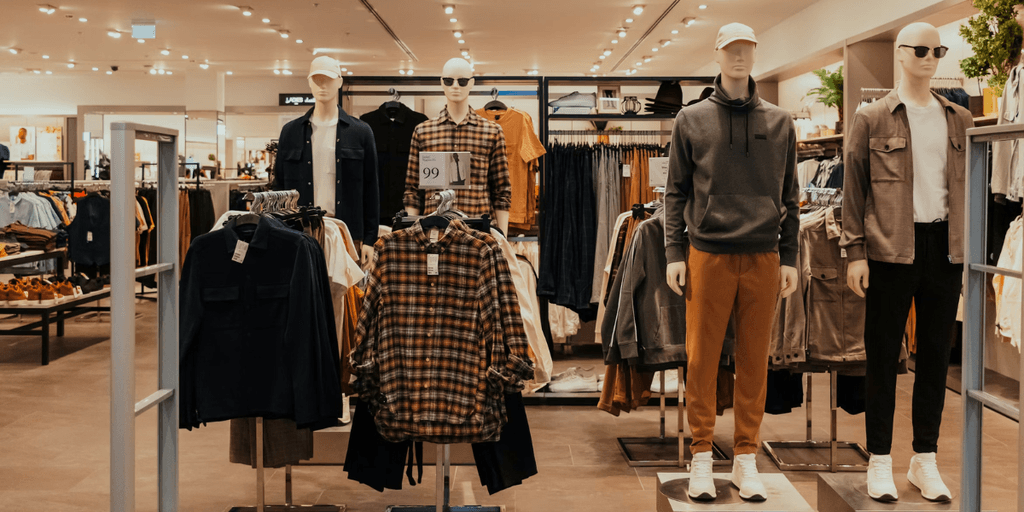
Across the retail sector, brands are expanding collections focused on adaptable menswear that balances professional appearance with casual functionality. Lightweight tailoring, performance fabrics, neutral color palettes, and minimalist accessories have become major themes throughout 2026 as shoppers prioritize clothing that can transition easily between work, travel, and everyday activities.
Recent industry research found that consumers are placing greater emphasis on timeless wardrobe staples and durable purchases rather than fast-changing seasonal trends. The report also noted that men’s apparel continues to benefit from steady demand in categories such as premium basics, footwear, and accessories.
Retail experts say the growth of hybrid work environments has significantly influenced men’s clothing preferences over the past several years. Consumers are increasingly seeking apparel that combines comfort with a polished appearance, leading to stronger sales in categories such as stretch tailoring, knit blazers, elevated casualwear, and athletic-inspired office attire.
Department stores and direct-to-consumer brands alike have expanded product offerings aimed at men of different age groups. Younger consumers entering professional careers are often targeted with affordable capsule wardrobe collections and entry-level accessories, while older demographics continue to drive demand for premium craftsmanship, heritage brands, and classic styling.
Industry observers also point to the growing influence of self-improvement culture within men’s lifestyle media. Content related to personal grooming, confidence, fitness, productivity, and style guidance continues attracting large audiences online. Experts believe the trend reflects changing attitudes toward personal presentation and wellness among male consumers.
The men’s grooming category has experienced particularly strong growth this year. Facial skincare, beard maintenance products, fragrance collections, and hair styling tools remain among the fastest-growing product categories. Analysts project continued expansion in the global men’s grooming sector as younger consumers adopt more comprehensive wellness and skincare routines.
Fashion companies are also investing heavily in technology to improve customer experiences. Personalized recommendation systems, virtual fitting tools, and AI-assisted styling platforms are becoming more common across e-commerce websites. Retailers hope these tools will reduce product returns while helping consumers make more informed purchasing decisions.
Sustainability remains another important factor shaping the industry. Consumers increasingly expect transparency regarding sourcing, manufacturing standards, and environmental impact. Several major menswear brands have introduced collections using recycled fabrics, lower-impact production methods, and longer-lasting materials designed to appeal to environmentally conscious shoppers.
Footwear continues to be one of the strongest-performing categories in men’s fashion. Sneakers designed for both casual and professional use remain highly popular, while classic leather shoes and boots continue seeing stable demand among consumers seeking more versatile wardrobe options. Accessories such as watches, leather bags, sunglasses, and minimalist jewelry are also maintaining steady sales growth.
Industry experts say one of the most notable developments in 2026 is the broader acceptance of personal style as part of professional and personal development. Stylists and market researchers increasingly describe fashion as a form of self-expression tied closely to confidence and identity rather than purely trend-driven consumption.
For many consumers, practical fashion advice has become more valuable than rapidly changing trends. Personal stylists often recommend building wardrobes around neutral essentials, quality outerwear, versatile footwear, and accessories that can remain useful across multiple seasons and occasions.
The expansion of lifestyle-focused digital media platforms has further accelerated interest in men’s fashion and self-improvement. Articles covering grooming habits, workplace style, fitness routines, travel essentials, and everyday wellness continue performing strongly across online publications aimed at male audiences.
As the market continues evolving, analysts expect men’s fashion brands to focus increasingly on personalization, durability, and wellness-oriented marketing strategies. Industry leaders believe the combination of technology, changing workplace culture, and growing consumer awareness will continue reshaping the men’s lifestyle sector throughout the remainder of 2026.

Men’s Insider Contributor
Nicole Warren
Covers entrepreneurship, career growth, and business trends with accessible insights for a broad audience.
This article features partner, contributor, or branded content from a third party. Members of the Men’s Insider editorial staff were not involved in the creation of this content. All views and opinions are those of the contributor alone.