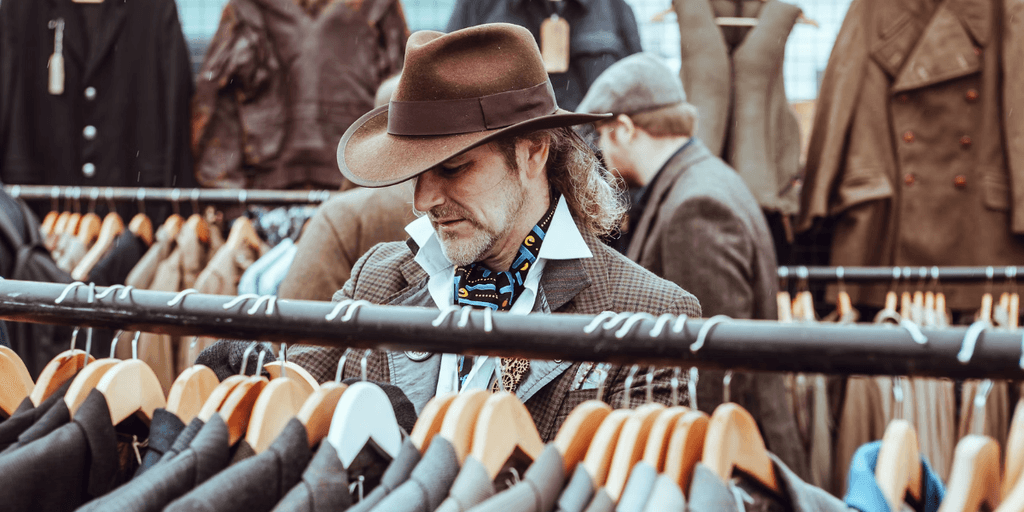
On April 16, 2026, new retail data and industry reports highlighted a clear shift in the U.S. menswear market. Across major brands and department stores, demand is increasingly centered on versatile, long-lasting wardrobe pieces that blend comfort, function, and style. This trend reflects a broader evolution in how men approach fashion, with a growing emphasis on practicality, quality, and self-presentation across different age groups.
Recent industry insights show that men’s apparel sales have maintained steady growth in early 2026, particularly in categories such as smart-casual wear, tailored basics, and everyday accessories. Retailers report that consumers are prioritizing items that can transition easily between professional, social, and casual settings.
The Rise of Smart-Casual Essentials
One of the most prominent developments this season is the continued rise of smart-casual dressing. This approach blends traditional tailoring with relaxed silhouettes, offering flexibility without sacrificing polish. Key items driving this trend include unstructured blazers, lightweight knit polos, and tapered chinos.
Market analysts note that men are increasingly investing in foundational pieces rather than fast-changing trends. Neutral color palettes such as navy, beige, olive, and gray dominate current collections, making it easier to mix and match outfits.
This shift aligns with changing workplace norms, where strict dress codes have become less common. As a result, men are building wardrobes that function across multiple environments, reducing the need for separate work and leisure attire.
Accessories Gain Importance
Accessories are playing a larger role in defining personal style. Watches, leather belts, and minimalist sneakers have become essential components of a modern wardrobe. Industry data suggests that men are more willing to invest in fewer, higher-quality accessories that elevate their overall look.
Spending on premium accessories has increased, particularly for items made from durable materials such as full-grain leather and stainless steel. These pieces are often chosen for their longevity as much as their aesthetic appeal.
Functional accessories are also gaining traction. Crossbody bags, compact backpacks, and travel-friendly organizers are increasingly popular, reflecting lifestyle changes that prioritize mobility and convenience.
Style Guidance by Age Group
Retailers and stylists are placing greater emphasis on age-specific guidance, helping men refine their wardrobes based on lifestyle and personal goals.
For men in their 20s and early 30s, the focus remains on experimentation balanced with practicality. Popular choices include relaxed-fit denim, casual overshirts, and versatile sneakers. Experts recommend building a core wardrobe of essential basics before adding statement pieces.
Men in their 30s to 40s are increasingly drawn to refined essentials. Tailored trousers, structured outerwear, and high-quality knitwear are key investments in this stage. This group tends to prioritize durability and fit, often favoring fewer but better-made garments.
For men over 50, comfort and timelessness take center stage. Classic cuts, breathable fabrics, and neutral tones dominate purchasing decisions. Items such as well-fitted button-down shirts, lightweight jackets, and supportive footwear remain reliable staples.
Fabric and Fit Innovations
Another important development in 2026 is the advancement of fabric technology. Many brands are incorporating stretch materials, moisture-wicking properties, and wrinkle-resistant finishes into everyday clothing. These features enhance comfort while maintaining a polished appearance.
Industry groups highlight that innovation in textiles is helping brands meet consumer expectations for both performance and durability. While sustainability remains a long-term goal, current efforts are focused on creating garments that last longer and reduce the need for frequent replacement.
Fit is also receiving renewed attention. Tailoring services, both in-store and online, are becoming more accessible, allowing men to achieve a more personalized look. Proper fit continues to be one of the most important factors in improving overall style, regardless of budget.
Footwear Trends Reflect Lifestyle Changes
Footwear trends in 2026 reflect a blend of comfort and sophistication. Minimalist sneakers remain a dominant choice, often paired with both casual and semi-formal outfits. Leather loafers and hybrid dress shoes are also gaining popularity, offering a balance between traditional and modern aesthetics.
Consumers are placing greater importance on comfort features such as cushioning, arch support, and lightweight construction. This aligns with broader lifestyle trends that emphasize wellness and daily mobility.
Key Takeaways for Building a Modern Wardrobe
The latest developments in men’s fashion highlight a clear direction for 2026. Versatility, quality, and thoughtful design are at the forefront of purchasing decisions. Rather than chasing short-lived trends, men are focusing on building wardrobes that offer long-term value and adaptability.
For those looking to refine their style, experts recommend starting with essential pieces such as a well-fitted blazer, neutral chinos, quality footwear, and a selection of versatile shirts. Accessories can then be added to personalize the look and enhance functionality.
Ultimately, the current state of menswear reflects a broader shift toward intentional living. Clothing is no longer just about appearance but also about confidence, efficiency, and self-expression. As the industry continues to evolve, men are better positioned to make informed choices that align with their personal and professional lives.

Men’s Insider Contributor
Ethan Marsh
Covers health, fitness, and modern lifestyle, with a focus on practical habits and the long game of staying well.
This article features partner, contributor, or branded content from a third party. Members of the Men’s Insider editorial staff were not involved in the creation of this content. All views and opinions are those of the contributor alone.