As of April 30, 2026, the men’s lifestyle sector in the United States is undergoing a notable transformation, shaped by changing workplace norms, increased awareness of personal grooming, and a growing emphasis on self-improvement. Retail insights show that men are becoming more intentional about how they dress, groom, and present themselves, signaling a shift toward a more refined and practical approach to modern style.
Men’s apparel demand has remained steady in early 2026, supported by the continued presence of hybrid work environments. This shift has influenced how men build their wardrobes, favoring pieces that can transition between professional and casual settings with ease. As a result, versatility has become one of the most important factors in purchasing decisions.
Tailored Comfort Redefines Everyday Style
A defining trend this year is the rise of “tailored comfort,” where classic menswear is redesigned using flexible and lightweight materials. Brands such as Bonobos and Lululemon have embraced this concept by offering clothing that blends structure with mobility.
Items like stretch blazers, wrinkle-resistant trousers, and breathable shirts are becoming staples in modern wardrobes. These garments allow men to maintain a polished appearance while staying comfortable throughout the day. This balance is especially important for professionals who move between different environments, from offices to social settings.
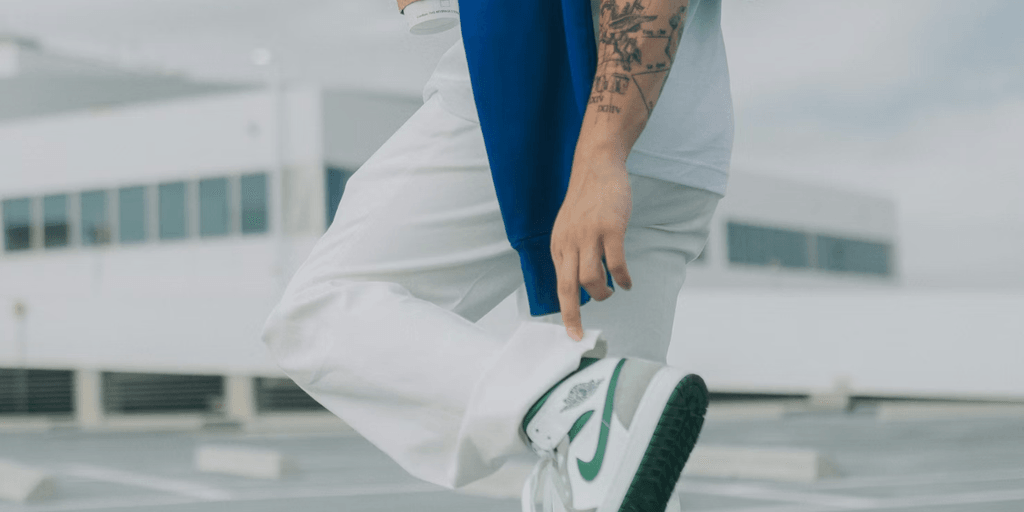
Footwear trends are evolving alongside apparel. Hybrid dress sneakers and minimalist leather shoes are increasingly popular, reflecting a preference for styles that combine functionality with a clean, modern aesthetic. Consumers are prioritizing quality and durability, choosing products that offer long-term value.
Accessories Gain Importance Across Age Groups
Accessories are playing a more significant role in shaping personal style. Watches, belts, and bags are no longer viewed as purely practical items but as essential elements of a complete look.
Younger consumers often gravitate toward minimalist and contemporary designs, while older demographics tend to invest in classic, timeless pieces. This diversity in preferences is encouraging brands to expand their product ranges, catering to a broader audience.
Leather accessories, in particular, continue to see strong demand due to their versatility and longevity. A well-chosen accessory can enhance even the simplest outfit, making it a practical addition to any wardrobe.
Grooming and Personal Care Remain Essential
In addition to fashion, grooming has become a central focus in men’s self-improvement routines. More men are adopting consistent skincare and haircare habits, recognizing their impact on overall appearance and confidence.
Basic routines, such as cleansing, moisturizing, and sun protection, are widely recommended as foundational practices. These habits are increasingly seen as essential rather than optional, reflecting a shift in attitudes toward personal care.
Barbershops and grooming services are also evolving to meet these expectations. Many now offer personalized consultations, helping clients choose hairstyles and grooming approaches that suit their features and lifestyles. This tailored approach enhances both satisfaction and long-term results.
Digital Platforms Shape Modern Style Decisions
Technology continues to influence how men discover and adopt new styles. Platforms like Instagram and TikTok provide accessible and immediate style inspiration.
Through short-form content and visual guides, users can learn how to combine outfits, explore seasonal trends, and evaluate products before making purchases. This accessibility has made fashion more approachable, encouraging more men to experiment with their personal style.
Online shopping experiences have also improved, with features such as personalized recommendations and virtual fitting tools helping consumers make informed decisions. These innovations reduce uncertainty and make it easier to build a cohesive wardrobe.
Self-Improvement Drives Long-Term Trends
At the core of these developments is a broader focus on self-improvement. Men are increasingly viewing their appearance as an extension of their identity, both personally and professionally. This perspective is influencing choices in clothing, grooming, and overall lifestyle habits.
A well-maintained appearance can contribute to confidence, which plays an important role in daily interactions and professional environments. As a result, many men are investing in quality garments and consistent routines that support a polished image.
Fitness and wellness also intersect with style, as active lifestyles influence clothing preferences. Athleisure and performance wear remain popular, offering comfort and practicality for both exercise and everyday use.
Key Takeaways for Readers
The latest developments in men’s lifestyle trends highlight several practical insights:
- Versatile clothing is essential for adapting to different settings.
- Accessories can elevate personal style with minimal effort.
- Consistent grooming routines enhance overall appearance.
- Digital platforms provide valuable guidance and inspiration.
Conclusion
The men’s lifestyle landscape in the United States as of April 30, 2026, reflects a shift toward intentional and practical living. Style, grooming, and self-improvement are increasingly interconnected, shaping how men present themselves in various aspects of life.
For readers of Men’s Insider, the takeaway is clear: focusing on versatility, consistency, and quality can lead to meaningful improvements in both appearance and confidence. As trends continue to evolve, a thoughtful approach to personal style remains one of the most effective ways to stand out and succeed.

Men’s Insider Contributor
Ethan Marsh
Covers health, fitness, and modern lifestyle, with a focus on practical habits and the long game of staying well.
This article features partner, contributor, or branded content from a third party. Members of the Men’s Insider editorial staff were not involved in the creation of this content. All views and opinions are those of the contributor alone.