




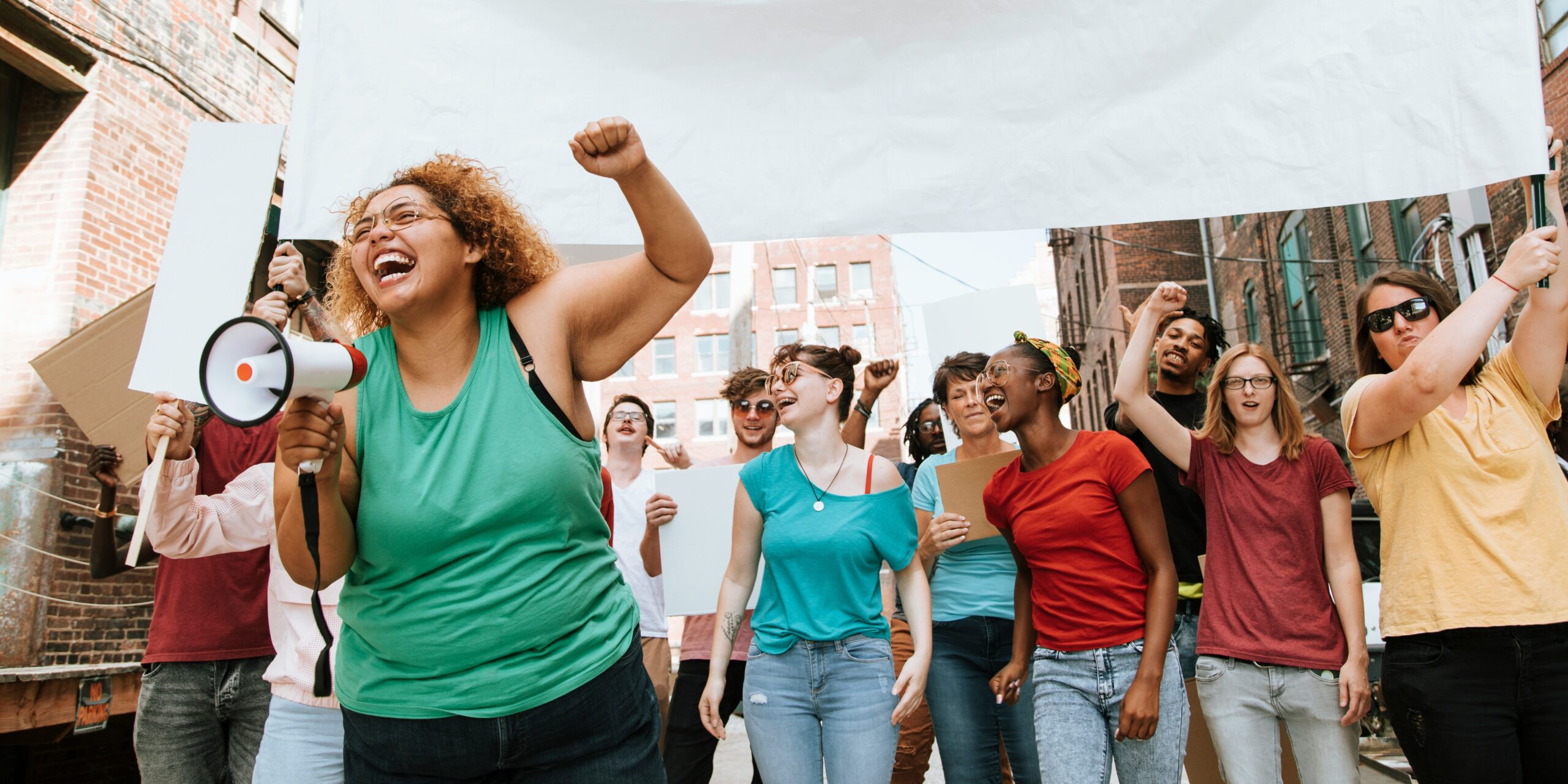
On January 20, 2026, Americans in cities nationwide took part in the “Free America Walkout,” a coordinated series of demonstrations that marked the one-year anniversary of the presidential inauguration held on this date in 2025. This event, organized by a coalition of civic groups, including the Women’s March, sought to provide individuals with a platform to voice their political concerns and engage in a collective act of protest. Participants were urged to step away from their daily routines, including work, school, and commercial activities, at a set local time as a symbolic gesture of civic engagement and resistance to policies they felt were not aligned with the needs of the American people.
The walkout was held across all 50 U.S. states, with various activities taking place in cities and towns from coast to coast. These activities included rallies, educational forums, community actions, and public demonstrations. The event aimed to draw attention to critical social and political issues, including healthcare access, workers’ rights, and social justice. For many participants, the walkout was an opportunity to voice frustrations over the direction of the country and to demand change in policies that directly affect their lives. The protests were also seen as a response to the policies of the 2025 administration, which had garnered mixed reactions across the nation.
In addition to the demonstrations, many of the events featured conversations and forums designed to inform the public about the issues at hand. Speakers at the rallies included activists, scholars, and community leaders, all of whom sought to elevate discussions around the themes of social equality, labor reform, and the ongoing struggles faced by marginalized communities. The walkout also served as a call for greater political engagement and reminded participants of the importance of being active in the democratic process, especially when their concerns are not being adequately addressed by elected officials.
Sociologists and political analysts have pointed out that the widespread participation in the walkout reflects long-term trends in American civic activism and community mobilization. Over the past decade, there has been an increasing desire among Americans to engage in protests and public demonstrations to express dissatisfaction with government policies, whether on issues such as racial justice, environmental concerns, or economic inequality. The “Free America Walkout” demonstrated how these trends have evolved, with more and more individuals choosing to step outside traditional political structures and engage in grassroots actions aimed at creating tangible change.
The event also highlighted the power of digital platforms in organizing and mobilizing large numbers of people. Social media played a key role in spreading the word about the walkout, allowing individuals to connect with others who shared their views, coordinate participation, and amplify their message. For many, the walkout represented not just an act of protest, but an assertion of their collective power as citizens, determined to shape the future of the country in a way that reflects their values and priorities.
In the days following the walkout, analysts and political commentators reflected on the impact of the demonstration. Some noted that while the protest did not result in immediate policy changes, it was a clear sign of the growing political consciousness and activism among Americans. It showcased a broader movement of people dissatisfied with the status quo and a desire for change in areas that affect the everyday lives of individuals, such as healthcare, education, and workers’ rights.
Ultimately, the “Free America Walkout” on January 20, 2026, was more than just a protest—it was a reminder of the enduring importance of civic participation in the U.S. democracy. By stepping away from their routines, participants not only made a statement against current policies but also reinforced the message that ordinary citizens can play a significant role in shaping the course of the nation. The walkout serves as an example of the growing momentum behind grassroots activism, which continues to shape political discourse and inspire others to take action. The event also underscored the power of collective action in holding leaders accountable and ensuring that the voices of all Americans are heard in the halls of power.
