




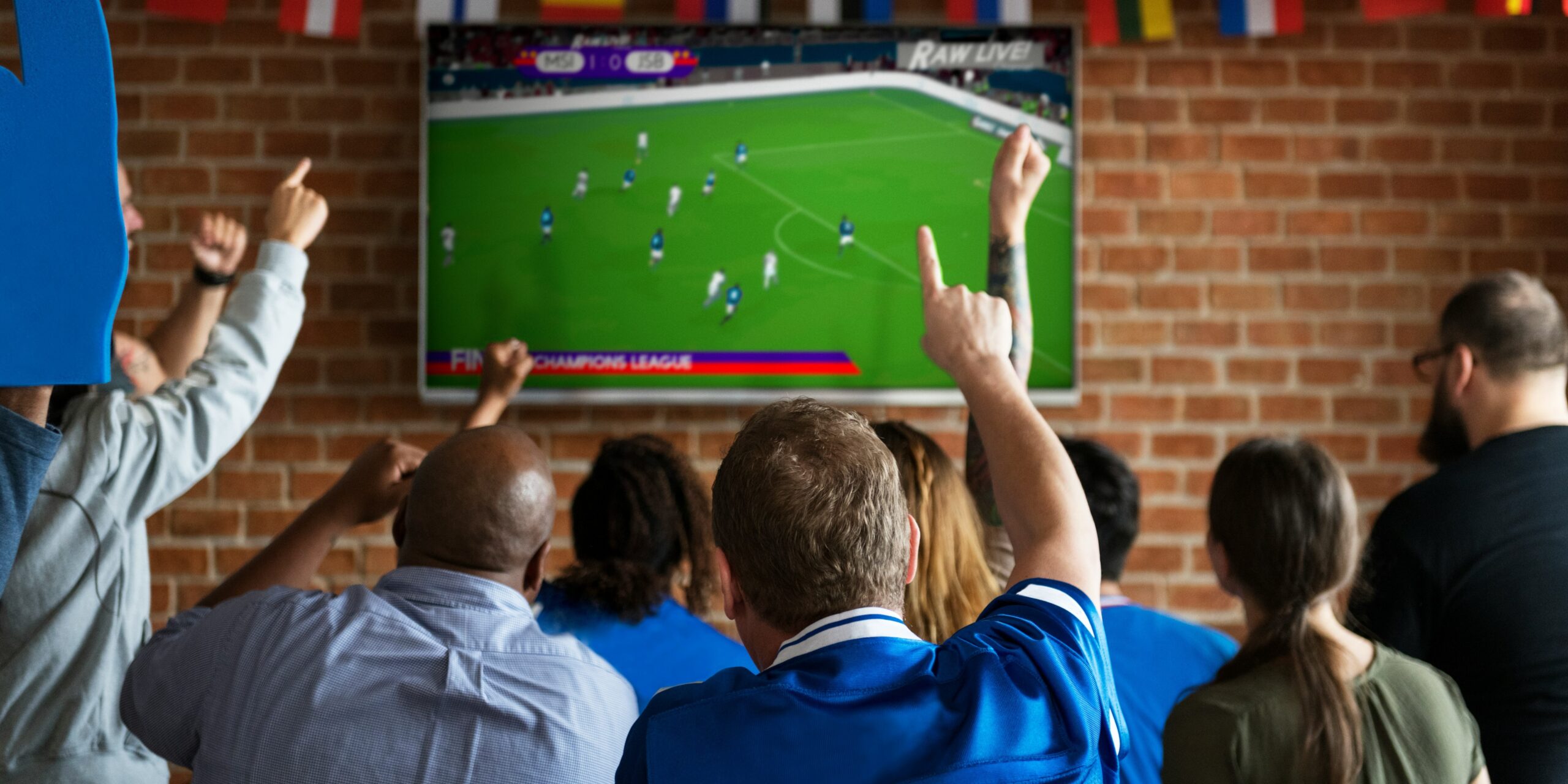
On November 17, 2025, NBCUniversal relaunched its sports-focused cable channel under the legacy name NBC Sports Network (NBCSN), reviving a brand that had gone off-air in 2021. The decision to bring the channel back, initially via YouTube TV and eventually through Comcast’s Xfinity service, reflects the shifting dynamics of media consumption where traditional broadcast schedules are increasingly being supplemented—and in many cases, replaced—by on-demand, streaming-first experiences.
The move is seen as a strategic attempt to bridge the divide between legacy cable and emerging digital platforms. By using a hybrid distribution model, NBCUniversal is acknowledging the evolving habits of sports audiences who now expect greater flexibility in how they engage with live programming. With more viewers cutting the cord or opting for streaming services, networks must now craft multi-platform delivery strategies to remain relevant in an intensely competitive landscape.
NBCSN’s return comes at a time of significant flux in the television industry. Since the network was shuttered four years ago, the growth of platforms like Peacock, ESPN+, and Amazon Prime Video has shifted the spotlight to digital-first sports content. However, NBCUniversal’s renewed investment in a linear cable channel suggests that traditional television still has a role to play—particularly in delivering live sports content, which remains one of the last genres to command real-time viewership.
Media analysts view the relaunch as part of a broader industry recalibration. As networks reassess their portfolios, the idea is no longer to replace linear TV with streaming, but rather to synchronize the two into a more seamless ecosystem. For NBCUniversal, launching NBCSN on YouTube TV—a leading internet-based television service—is a sign of this new strategy. The network plans to carry a robust lineup, including NBA games, Premier League soccer, WNBA matchups, and golf tournaments, with more rights potentially being added in the near future.
This blended approach is particularly relevant given recent shifts in how people consume sports and entertainment. No longer confined to cable bundles or fixed schedules, viewers now expect to watch what they want, when they want, and on the device of their choosing. Yet, live sports remains one of the few types of content where immediacy still matters. The challenge for networks like NBCUniversal is to meet this demand without losing the monetization opportunities and audience loyalty that come with established cable offerings.
The relaunch also underscores how lifestyle and leisure preferences are influencing content strategy. Sports viewership, once a largely weekend or prime-time experience, has become increasingly distributed throughout the day and across platforms. Younger demographics, in particular, are less likely to sit through traditional broadcasts and more inclined to consume highlights, clips, and interactive features on social media and mobile apps. By reviving NBCSN and placing it within a hybrid distribution model, NBCUniversal is signaling its intention to cater to both longtime cable viewers and newer, digitally native audiences.
Moreover, the move comes amid larger corporate realignments within NBCUniversal and its parent company, Comcast. The company is currently in the process of spinning off various cable networks into a separate venture, allowing more focused investment in sports, news, and entertainment content. Reestablishing NBCSN provides a dedicated platform for live sports coverage and allows for more effective bundling and cross-promotion with digital services like Peacock.
Industry observers note that the relaunch of a cable channel in 2025 may seem counterintuitive given the rise of streaming. Yet, the enduring appeal of live sports—combined with the increasing need for platform diversification—makes the strategy more logical than it appears. In high-value advertising markets and sports-heavy regions, a dedicated sports network still holds significant appeal for marketers aiming to reach engaged, real-time audiences.
NBCSN’s success will depend largely on how well it balances the old and the new: maintaining the polished production and scheduling discipline of cable while innovating through digital features and flexible viewing options. The channel’s programming slate and promotional strategies will need to reflect this dual identity, ensuring that it remains competitive in a field where viewer attention is increasingly fragmented.
In essence, the relaunch of NBCSN is more than just the revival of a defunct channel. It is a case study in how media companies are adapting to a world where content delivery is no longer tied to one format. Whether through smart TVs, mobile devices, or traditional cable boxes, the goal remains the same: to keep sports fans engaged in an era where attention is fleeting and competition is fierce.
