Fanatics Fest NYC opened Thursday, July 16, at the Jacob K. Javits Convention Center in Manhattan, beginning a four-day gathering designed to bring athletes, leagues, collectors, media personalities, and fans into one large-scale sports experience. The 2026 edition runs through July 19 and arrives during one of the busiest sports weeks New York has hosted, with the FIFA World Cup final scheduled nearby in New Jersey on the festival’s closing day.
The timing has turned the event into more than a convention. It is also a snapshot of how sports, entertainment, style, media, and collecting now overlap.
Organizers describe the festival as a place where supporters can attend live podcasts and panels, explore league and brand exhibits, meet athletes, view memorabilia, and participate in competitive activities. The official talent lineup includes major names from basketball, baseball, football, and professional wrestling, with appearances scheduled across the four days.
LeBron James was listed for Thursday and Friday programming, while Aaron Judge, Jalen Brunson, Josh Hart, Cody Rhodes, and David Ortiz were among the figures scheduled for opening-day activities.
This year’s event is closely connected to the 2026 FIFA World Cup. FIFA became an official partner of Fanatics Fest and announced tournament-specific programming, interactive activities, and retail experiences for the New York gathering.
The World Cup connection gives the festival added relevance for American sports fans. Soccer interest in the United States has been elevated by the tournament, while Fanatics Fest brings that global audience into the same building as established U.S. leagues and sports properties.
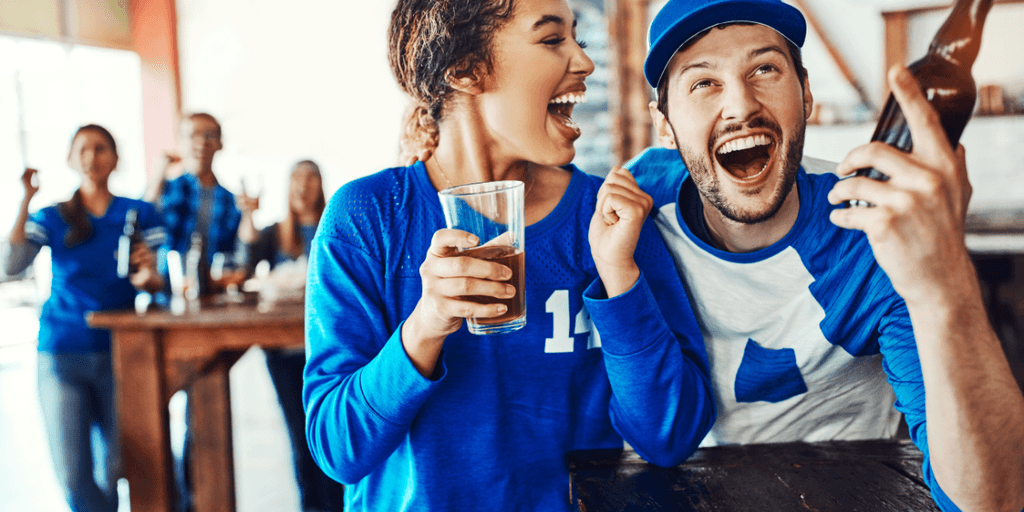
The result is a cross-sport environment where a fan may move from a soccer discussion to a basketball podcast, a baseball autograph session, or a display of trading cards and historic memorabilia.
One of the clearest signs of the event’s changing role is its emphasis on live media. The schedule includes panels, podcast recordings, and other stage programming rather than relying only on booths and merchandise.
CNBC and Boardroom also brought their fourth annual Game Plan Summit to the festival on July 16. The industry-focused program was created to gather athletes, owners, investors, innovators, and executives for discussions about sports, media, and entertainment.
That combination matters because sports fans increasingly encounter athletes outside traditional games and press conferences. Long-form podcasts, social platforms, documentaries, and creator-led shows allow players to explain preparation, leadership, business decisions, and personal interests in their own voices.
At an event such as Fanatics Fest, those formats become live experiences, giving audiences a closer look at how sports stories are produced and discussed.
Collecting remains another central part of the festival. The event brings together leagues, sports brands, athletes, celebrities, and a large community of trading-card dealers.
For collectors, the appeal is not limited to buying an item. Authentication, condition, scarcity, historical context, and personal meaning all shape the value of memorabilia. The event’s format places those conversations beside athlete appearances and league programming, reinforcing collecting as a form of sports history and personal identity.
For anyone attending a large fan convention, practical planning can prevent the experience from becoming overwhelming. Reviewing the daily program, separating included activities from paid autograph or photo sessions, setting a firm spending limit, and protecting any collectibles brought from home are sensible steps.
Visitors should also check accessibility information, entry rules, and scheduling details before arriving. High-profile appearances may draw long lines, while certain experiences may require separate reservations or additional fees.
The scale of Fanatics Fest has grown quickly. The 2025 edition attracted more than 125,000 attendees across three days, up from about 70,000 in 2024. The 2026 event expands to four days, reflecting the demand for large, in-person gatherings built around sports culture rather than a single competition.
For readers, the key takeaway is that modern fandom is becoming more participatory. Watching games remains central, but fans are also interested in athlete-led conversations, limited collectibles, sports fashion, interactive challenges, and behind-the-scenes business insights.
Fanatics Fest packages those interests under one roof. It also demonstrates how sports organizations are creating year-round experiences that extend beyond the regular season, playoffs, or championship events.
For men interested in sports, style, collecting, technology, and self-improvement, the festival offers a broader view of how these interests now connect. Athletic performance remains important, but leadership, personal branding, media skills, business strategy, and community engagement have also become major parts of the modern sports industry.
The opening of the 2026 festival therefore represents a broader shift in the American sports landscape. Major events are no longer defined only by what happens on the field.
Increasingly, they include the communities, media, products, and personal experiences built around the competition. In New York this week, Fanatics Fest is offering a highly visible example of that expanding sports ecosystem.

Men’s Insider Contributor
Marcus Hale
Covers sport and breaking news, following the competition and the people at the centre of the story.
This article features partner, contributor, or branded content from a third party. Members of the Men’s Insider editorial staff were not involved in the creation of this content. All views and opinions are those of the contributor alone.