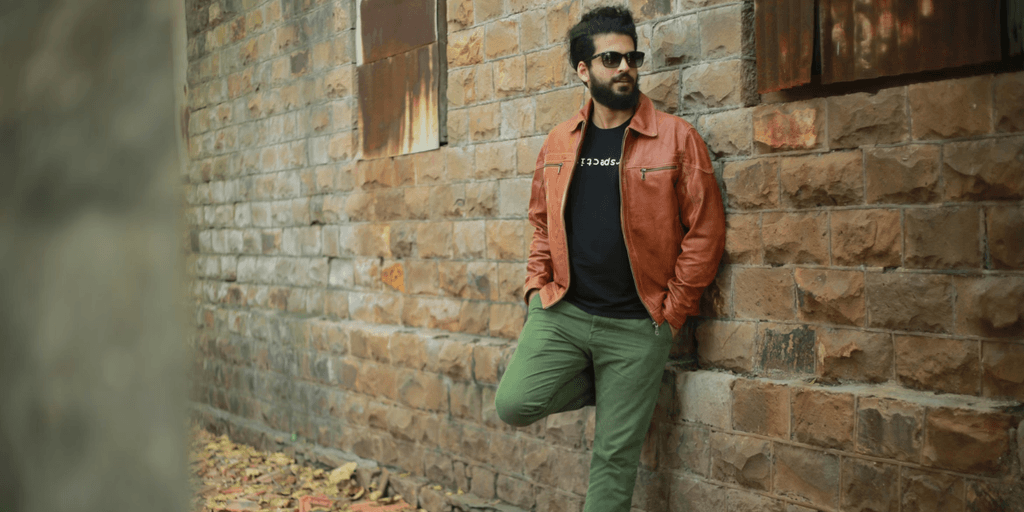
Men’s fashion and lifestyle trends in the United States continued evolving rapidly on May 6, 2026, as major retailers, designers, and consumer brands responded to growing demand for versatile clothing, sustainability, and practical everyday style. Industry analysts say the latest developments reflect changing consumer priorities among men seeking fashion that balances comfort, professionalism, and personal expression.
Across the retail sector, brands are increasingly focusing on “smart casual” collections that blend tailored elements with relaxed fits and performance fabrics. Fashion experts note that post-pandemic workplace changes and hybrid schedules continue influencing how men shop for clothing, with many consumers preferring versatile pieces that work in both professional and casual settings.
Several major apparel companies reported stronger sales in categories such as lightweight blazers, stretch trousers, premium sneakers, and minimalist outerwear during the spring retail season. Analysts say men’s apparel sales showed steady growth during the first quarter of 2026, particularly in elevated casualwear and functional fashion categories.
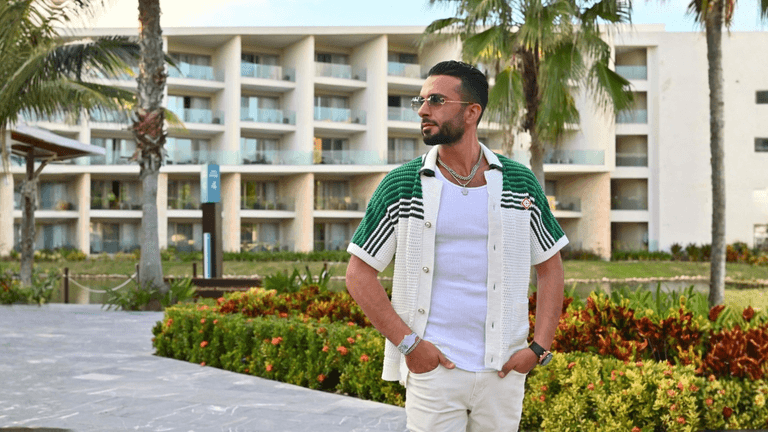
One of the most notable trends shaping the industry is the growing popularity of neutral color palettes and simplified wardrobe styling. Fashion publications highlighted increased consumer interest in timeless essentials such as relaxed tailoring, monochromatic outfits, and understated luxury accessories. Industry observers say the trend reflects broader interest in long-lasting wardrobe investments rather than fast-fashion purchases.
Sustainability also remains a major factor influencing purchasing decisions among male consumers. Retail companies are expanding collections made from recycled fibers, organic cotton, and lower-impact materials as shoppers increasingly seek environmentally conscious options. Industry reports indicate sustainability considerations continue gaining importance among younger male consumers, particularly in the premium apparel segment.
Luxury and sportswear brands are likewise adapting to shifting expectations by introducing collections that emphasize durability, versatility, and comfort. Athletic-inspired fashion remains especially influential, with performance fabrics and technical design elements becoming common even in traditional menswear collections.
Fashion industry analysts say men are increasingly prioritizing quality over quantity when building wardrobes. Rather than purchasing large numbers of trend-driven items, many consumers are focusing on fewer, higher-quality essentials that can be worn across multiple occasions.
The accessory market has also experienced notable growth during 2026. Watches, leather bags, minimalist jewelry, and premium footwear continue performing well among consumers interested in refining personal style without dramatic fashion statements. Analysts noted that understated luxury accessories are becoming central to men’s fashion purchasing behavior this year.
Meanwhile, technology continues influencing the shopping experience. Many retailers are expanding artificial intelligence tools and virtual fitting technologies designed to help customers find accurate sizing and personalized style recommendations online. Retail experts say these innovations are helping brands improve customer satisfaction while reducing product returns.
Social media and celebrity influence remain powerful drivers of men’s style trends, though industry experts note a shift away from flashy branding toward more refined and wearable fashion inspiration. Public appearances by athletes, actors, and musicians wearing tailored casualwear and minimalist styles have contributed to the growing popularity of relaxed luxury aesthetics.
In addition to fashion, broader self-improvement trends continue shaping men’s lifestyle content. Health-conscious routines, skincare products, fitness-focused apparel, and professional grooming services remain strong growth categories throughout the U.S. market. Market researchers expect the men’s grooming industry to continue expanding steadily over the next several years due to increased consumer interest in skincare, haircare, and wellness products.
Retailers are responding by offering integrated lifestyle experiences that combine fashion, grooming, wellness, and personal development products under unified brand identities. Industry observers say modern male consumers increasingly view style as part of a broader approach to confidence, professionalism, and everyday presentation.
Economic conditions have also influenced shopping behavior in 2026. While consumers remain interested in premium products, many are prioritizing practical purchases with long-term value. As a result, brands offering durable materials, timeless styling, and multi-purpose functionality are gaining traction across both mid-range and luxury markets.
Fashion experts believe the current direction of men’s style reflects a lasting cultural shift rather than a temporary trend. The emphasis on simplicity, versatility, and sustainability aligns with broader consumer preferences for practical and intentional purchasing habits.
Looking ahead, analysts expect the men’s fashion industry to continue evolving through a mix of technological innovation, sustainable production, and modernized classic styling. Retailers that successfully combine comfort, quality, and adaptability are likely to remain well-positioned as consumer expectations continue changing throughout 2026 and beyond.

Men’s Insider Contributor
Ethan Marsh
Covers health, fitness, and modern lifestyle, with a focus on practical habits and the long game of staying well.
This article features partner, contributor, or branded content from a third party. Members of the Men’s Insider editorial staff were not involved in the creation of this content. All views and opinions are those of the contributor alone.