Men’s fashion in 2026 is increasingly being shaped by a balance between comfort, refined tailoring, and long-term versatility. From luxury labels to mainstream business-casual brands, designers are moving toward a more polished yet practical approach to menswear that reflects changing consumer preferences and workplace habits.
Fashion analysts say today’s menswear market is no longer driven solely by fast-moving seasonal trends. Instead, many consumers are prioritizing investment pieces, classic silhouettes, and adaptable wardrobe staples that can transition easily between professional, casual, and social settings.
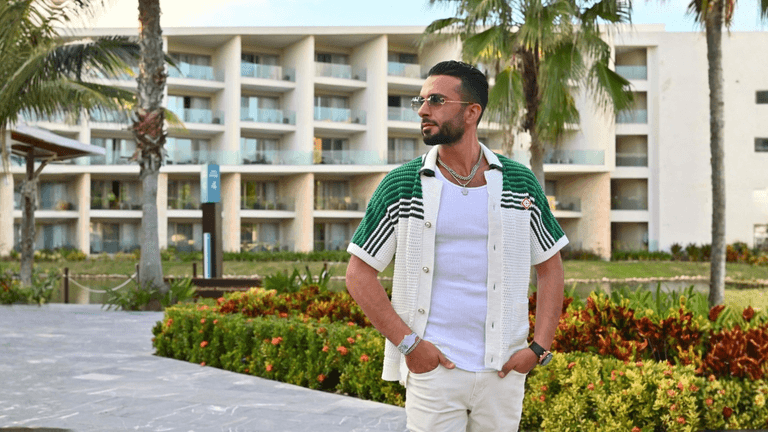
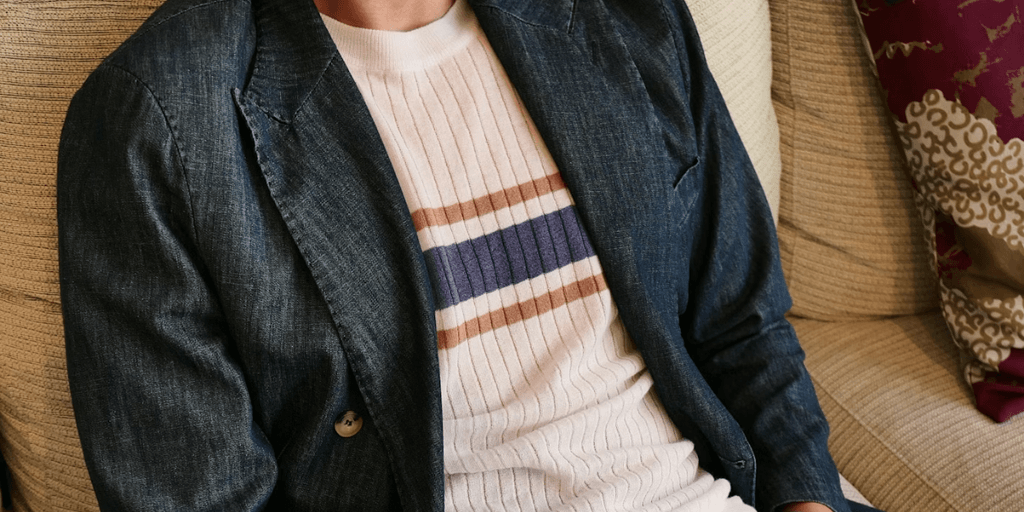
One of the clearest developments this season is the continued rise of relaxed tailoring. Major menswear collections unveiled in recent weeks have emphasized softer construction, looser trousers, lightweight fabrics, and understated luxury. Designers are embracing elegant but wearable pieces such as relaxed wool pants, silk-lined blazers, fine cotton shirts, and lightweight trench coats designed for everyday versatility.
Industry observers say this trend reflects broader lifestyle changes among younger professionals who increasingly favor comfort without sacrificing sophistication. Hybrid work environments and more flexible dress codes have influenced the way men approach fashion, particularly in business and smart-casual settings.
Footwear trends are also evolving. Loafers and heritage-inspired dress shoes are gaining renewed popularity among younger consumers who are moving away from sneaker-focused wardrobes. Analysts describe the shift as part of a broader return to timeless fashion and durable craftsmanship.
Classic loafers, suede slip-ons, and refined leather shoes are now frequently paired with relaxed tailoring, cropped trousers, and minimalist outerwear. Fashion experts say the appeal lies in versatility, as these styles can work across formal and casual environments.
At the same time, statement footwear has also emerged as a growing trend for fashion-forward consumers. Recent runway collections have highlighted experimental shoe designs, including sculpted silhouettes and hybrid athletic-inspired boots that blend performance elements with luxury aesthetics.
Another major influence shaping men’s style this year is the renewed emphasis on craftsmanship and quality materials. Luxury menswear houses and tailoring brands are continuing to promote pieces designed with longevity in mind, including structured jackets, lightweight knitwear, and premium leather accessories. Experts note that consumers are increasingly evaluating clothing based on durability and long-term value rather than short-lived trend cycles.
Business-casual attire has also undergone noticeable transformation in 2026. Modern office wardrobes now frequently combine tailored elements with comfort-focused materials such as stretch fabrics, breathable textiles, and wrinkle-resistant designs. Several leading menswear brands have expanded collections aimed at professionals seeking polished clothing suitable for flexible work environments.
Style specialists say versatility has become one of the most important purchasing factors for male consumers. Many shoppers now prefer fewer high-quality pieces that can be styled multiple ways rather than large seasonal wardrobes.
Color palettes this season are similarly refined. Fashion editors report growing popularity for earthy neutrals, chocolate brown, burgundy, soft blue, and muted yellow tones. These colors are appearing across jackets, knitwear, trousers, and accessories, offering understated alternatives to louder seasonal fashion statements.
Meanwhile, red carpet events continue to influence mainstream menswear culture. The recent 2026 awards and fashion events generated significant attention for bold tailoring choices, artistic formalwear, and experimental textures in men’s fashion. Designers showcased everything from velvet dinner jackets and oversized silhouettes to leather-accented eveningwear and modern interpretations of classic suits.
Fashion commentators say celebrity styling still plays an important role in introducing emerging trends to wider audiences, particularly among younger consumers interested in blending traditional tailoring with contemporary streetwear influences.
Accessories are also becoming more prominent in men’s styling. Leather bags, minimal jewelry, textured belts, and luxury watches are increasingly viewed as foundational pieces rather than secondary additions. Stylists note that accessories now play a larger role in helping men personalize otherwise minimalist outfits.
The menswear industry’s current direction reflects a broader cultural preference for intentional purchasing and practical sophistication. Rather than focusing on fast-changing aesthetics, many brands are emphasizing timeless design, adaptability, and quality craftsmanship.
For readers interested in personal style and self-improvement, the latest menswear developments offer insight into how modern fashion continues to evolve alongside workplace culture, lifestyle habits, and consumer priorities. As 2026 progresses, experts expect the strongest trends to remain centered on versatility, refined comfort, and classic pieces designed to last beyond a single season.

Men’s Insider Contributor
Ethan Marsh
Covers health, fitness, and modern lifestyle, with a focus on practical habits and the long game of staying well.
This article features partner, contributor, or branded content from a third party. Members of the Men’s Insider editorial staff were not involved in the creation of this content. All views and opinions are those of the contributor alone.