By Zachary Fields, Science Correspondent
On May 19, 2025, NASA was originally scheduled to launch Artemis II, the first crewed mission under the ambitious Artemis lunar exploration program. However, the agency has now officially moved the launch to April 2026. This decision comes after critical technical assessments and the need for additional safety upgrades—highlighting NASA’s unyielding focus on crew safety and mission assurance.
The Artemis II mission is poised to be the first time in over 50 years that astronauts will travel around the Moon. This historic journey represents a major milestone toward returning humans to the lunar surface and setting the stage for deep-space exploration, including future missions to Mars.
Mission Overview: Testing the Limits of Deep Space Travel
Artemis II will see four astronauts travel aboard the Orion spacecraft, launched by NASA’s Space Launch System (SLS)—the most powerful rocket ever built. The crew will conduct a 10-day lunar flyby, circling the Moon and validating all life-support systems, communication capabilities, and mission operations ahead of future landing attempts.
The crew comprises Commander Reid Wiseman, Pilot Victor Glover, Mission Specialist Christina Koch, and Jeremy Hansen from the Canadian Space Agency. This team reflects NASA’s renewed commitment to inclusivity and international collaboration, with the first woman and the first person of color set to travel beyond low-Earth orbit.
Delays and Redesigns: Prioritizing Astronaut Safety
The delay to April 2026 follows extensive reviews of data from the uncrewed Artemis I mission in 2022. Engineers detected unexpected wear on the Orion capsule’s heat shield and flagged a design flaw in its carbon dioxide removal system. These components are now being redesigned and tested under rigorous conditions to ensure reliability during the crewed flight.
NASA has also adjusted the mission’s return trajectory to reduce reentry stress on the spacecraft, further increasing the safety margin for the astronauts. This measured approach underscores NASA’s core value of putting safety above schedule.
Kennedy Space Center: Mission Preparation Ramps Up
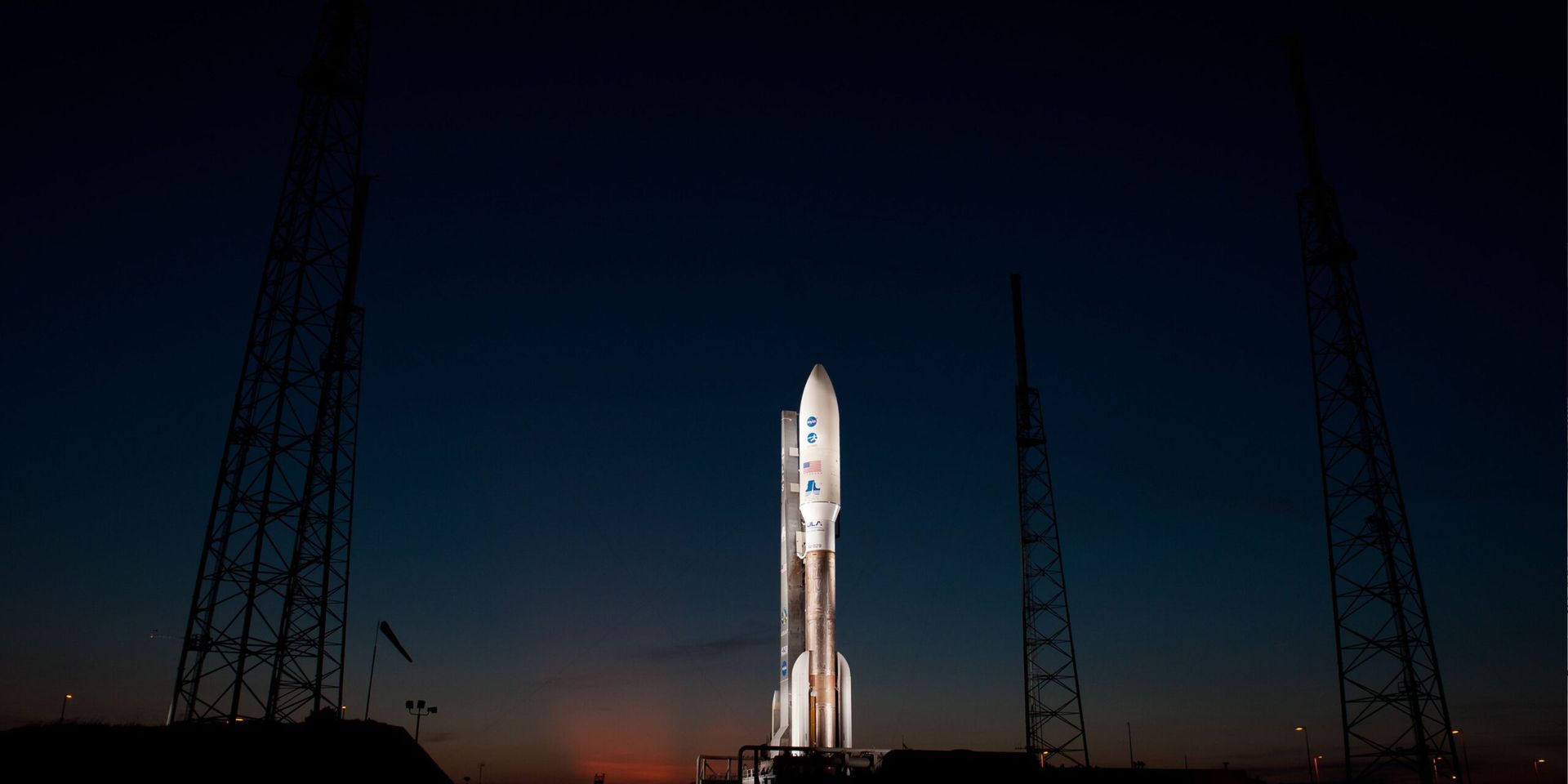
At Kennedy Space Center in Florida, Artemis II mission hardware is rapidly advancing. The SLS rocket’s core stage and twin solid rocket boosters are fully stacked. The Orion capsule has been transported to the Multi-Payload Processing Facility, where it is undergoing final fueling and integration.
Technicians are preparing for a series of validation tests, including power system checkouts, data flow verifications, and integration of the launch abort system—a crucial safeguard for crew escape in the event of a launch emergency.
The Artemis Vision: Building a Moon-to-Mars Bridge
Beyond Artemis II, the Artemis program seeks to establish a sustained human presence on the Moon’s south pole. The follow-up mission, Artemis III, will attempt a crewed lunar landing using SpaceX’s Starship Human Landing System. Although originally targeted for 2025, Artemis III has now been rescheduled for 2027 to align with hardware readiness.
These efforts will help NASA and its partners learn how to live and operate on another celestial body, build infrastructure like the Gateway lunar outpost, and test the systems needed for crewed missions to Mars.
Conclusion: The Countdown Continues
NASA’s Artemis program represents a bold leap into the future of space exploration. With the rescheduling of Artemis II to 2026, the agency is not only ensuring mission success but also reinforcing its dedication to pushing the boundaries of human achievement in space—safely, sustainably, and inclusively. As the world looks to the Moon once again, a new era of discovery and inspiration is just beginning.

Men’s Insider Contributor
Marcus Hale
Covers sport and breaking news, following the competition and the people at the centre of the story.
This article features partner, contributor, or branded content from a third party. Members of the Men’s Insider editorial staff were not involved in the creation of this content. All views and opinions are those of the contributor alone.