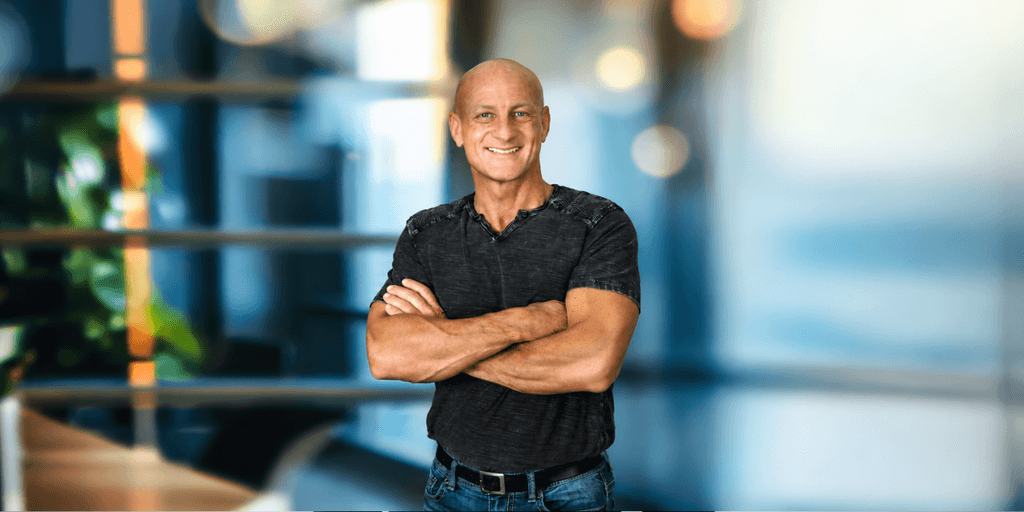
The Men's Divorce Recovery Coach helps men move beyond isolation after divorce and rebuild identity, confidence, and purpose.
There is a point when starting over stops feeling like a choice and starts feeling like the only path forward. For John W Hardy, that point came after a 24 year marriage, struggles with alcohol, treatment, relapse, and the realization that the life he had worked hard to preserve was also connected to patterns he could no longer sustain. Divorce brought an ending, but it also presented another difficult question: Who was he when the roles of husband, provider, protector, and fixer no longer defined his daily life?
That question eventually became central to Hardy's work as the Men's Divorce Recovery Coach. Today, he helps men navigate the emotional aftermath of divorce, particularly those emerging from relationships they experienced as toxic, controlling, or abusive. His focus is not simply getting clients through a breakup. It is helping them rebuild self trust, rediscover purpose, develop healthier patterns, and create a life that feels like their own again.
From Personal Crisis To A New Purpose
Hardy's path into divorce recovery coaching began with his own experience. During his marriage, he says alcohol became an unhealthy way of coping with a relationship that had grown increasingly difficult. He eventually entered rehabilitation for three weeks. After returning home, Hardy began examining how his environment and relationship dynamics were affecting his recovery.
A relapse several months later, followed by a personal crisis involving an attempt on his life, intensified that examination. Over the following months, Hardy tried to determine whether the marriage could continue. Ultimately, he filed for divorce because he believed remaining in the relationship could pull him back toward the destructive coping patterns he was trying to leave behind.
The decision did not immediately produce relief.
Instead, Hardy encountered fears familiar to many people facing the end of a long marriage. He worried about his children, his future, his finances, loneliness, and how other people would view him. There was grief over the future he had imagined, along with guilt about things he wished he had handled differently.
Then the divorce ended, and another challenge began.
"The life that I had envisioned was disappearing," Hardy recalls. Friends and family members had stepped away, sometimes because they did not want to feel caught between two sides. Hardy found himself confronting an unfamiliar level of isolation.
That experience shaped one of the central ideas behind his work today: completing a divorce does not necessarily complete the emotional recovery from it.
John W Hardy And The Work Of Rebuilding Identity
Hardy eventually moved approximately 1,000 miles away and treated the relocation as an opportunity to rediscover himself. For years, he had understood his identity primarily through what he did for other people. He was a husband, father, provider, protector, fixer, and worker.
Starting again forced him to ask what remained when those familiar identities changed.
As he searched for support, Hardy says he struggled to find the kind of guidance he wanted. That gap ultimately helped shape his professional direction. He completed divorce coaching training through Sara Davison's program in the United Kingdom, then pursued trauma informed coaching and additional education related to toxic relationships, domestic abuse, and narcissistic abuse recovery.
His lived experience does not replace professional mental health care, and coaching is not therapy. Instead, Hardy's work focuses on helping clients examine patterns, clarify goals, establish routines, strengthen boundaries, and consider practical next steps as they rebuild their lives.
His message is captured in a simple phrase: "You are not broken, you are rebuilding."
Breaking Free From Patterns That Keep Men Stuck
Hardy's coaching framework begins with what he calls "Breaking Free." The goal is to help clients recognize unhealthy relationship dynamics, examine coping mechanisms, establish boundaries, and acknowledge the grief that can accompany separation.
That last element matters because leaving a harmful relationship can still involve mourning. A person may grieve the relationship they had, the relationship they hoped it would become, or the family future they once expected.
Hardy also encourages clients to examine the habits they have used to manage distress. His own history gives that conversation personal significance. Rather than simply removing an unhealthy coping mechanism, his approach emphasizes developing healthier routines that can realistically become part of everyday life.
From there, the work moves toward rebuilding identity. Clients may explore personal values, interests, strengths, supportive communities, journaling, mindfulness, fitness, or other constructive practices. Hardy also focuses on identifying limiting beliefs and negative self talk that can influence how someone sees the future after divorce.
"What we do is who we become," he says.
The idea reflects his belief that recovery is shaped not only by insight but also by repeated actions.
Best Men's Divorce Recovery Coach in Florida of 2026
Best of Best Review has honored John W Hardy, professionally known as the Men's Divorce Recovery Coach, as the Best Men's Divorce Recovery Coach in Florida of 2026. This recognition highlights his commitment to guiding men through post-divorce challenges, helping them rebuild their confidence, redefine their identity, and regain a sense of direction.
Combining personal insight with professional coaching education, Hardy supports men in developing healthier habits, setting stronger boundaries, and rebuilding trust in themselves. His approach centers on practical growth and personal responsibility, empowering clients to embrace new opportunities and create a more purposeful life after divorce.
Building A Future Instead Of Recreating The Past
Later stages of Hardy's approach focus on confidence, boundaries, relationships, and future planning. Clients are encouraged to think about what they want their lives to look like rather than defining themselves exclusively by what happened in their marriages.
For men considering dating again, Hardy emphasizes readiness rather than a universal timeline. His coaching explores authenticity in dating profiles, communication, personal boundaries, awareness of concerning behaviors, and recognition of romance scams. The objective is to approach new relationships with greater discernment rather than allowing loneliness or unresolved pain to dictate decisions.
Hardy applies a similar principle to relationships themselves. He encourages clients to retain their individual identities, communicate clearly, practice self care, and choose partners according to values rather than familiar but unhealthy patterns.
For divorced fathers dealing with high conflict co parenting situations, his coaching focuses on structured communication, firm boundaries, documentation, and keeping children's stability at the center of decisions. Hardy distinguishes this work from legal advice and encourages clients to obtain appropriate professional guidance when legal questions arise.
A Different Conversation About Men's Divorce Recovery
Men can experience divorce as more than the loss of a spouse. It may disrupt routines, friendships, parenting roles, living arrangements, finances, and deeply held assumptions about identity. Yet some men may find it difficult to discuss those changes openly.
Hardy's work is built around creating space for that conversation.
"I help men go from suffering in silence to reclaiming their thirst for life," he says.
His own story gives that mission context. He knows what it is like to look at an uncertain future after a long marriage and wonder where to begin. His answer was not to recreate his old life. It was to determine who he wanted to become next.
"You can't add more years to your life, but you can add more life to your years," Hardy says.
For men who recognize themselves in that transition, John W Hardy offers an opportunity to explore what rebuilding life after divorce can look like. Readers can learn more through his official website, connect with him on Facebook, follow his work on Instagram, connect professionally on LinkedIn, and watch his content on YouTube. For direct inquiries, Hardy can also be reached at john@johnhardydivorcecoach.com.

Men’s Insider Contributor
Nicole Warren
Covers entrepreneurship, career growth, and business trends with accessible insights for a broad audience.
This article features partner, contributor, or branded content from a third party. Members of the Men’s Insider editorial staff were not involved in the creation of this content. All views and opinions are those of the contributor alone.