On May 28, 2023, Turkish President Recep Tayyip Erdoğan secured his third consecutive term in office after defeating opposition candidate Kemal Kılıçdaroğlu in a tightly contested runoff election. Erdoğan won 52.18% of the vote, continuing his long reign over Turkey, which has spanned more than two decades and includes both his tenure as Prime Minister and President. This victory marks another pivotal chapter in Erdoğan’s political career, which has been both transformative and divisive for the nation.
The election, which garnered attention from both domestic and international observers, was seen as a critical juncture for Turkey’s political trajectory. Erdoğan, who has been in power since 2003, has overseen major economic and political changes in Turkey, including the transition from a parliamentary system to a presidential system that significantly increased the powers of the executive branch. His leadership has been characterized by both strong economic growth and regional influence, but also by growing concerns over authoritarianism, diminishing civil liberties, and increasing polarization within the country.
Kılıçdaroğlu, leader of the opposition Republican People’s Party (CHP), campaigned on promises to restore Turkey’s democratic values, tackle the nation’s economic struggles—such as high inflation and unemployment—and address issues stemming from the government’s response to the devastating 2021 earthquake. Despite his efforts to galvanize support for change, Erdoğan’s victory came despite considerable public discontent over Turkey’s economic challenges and the government’s handling of the disaster’s aftermath.
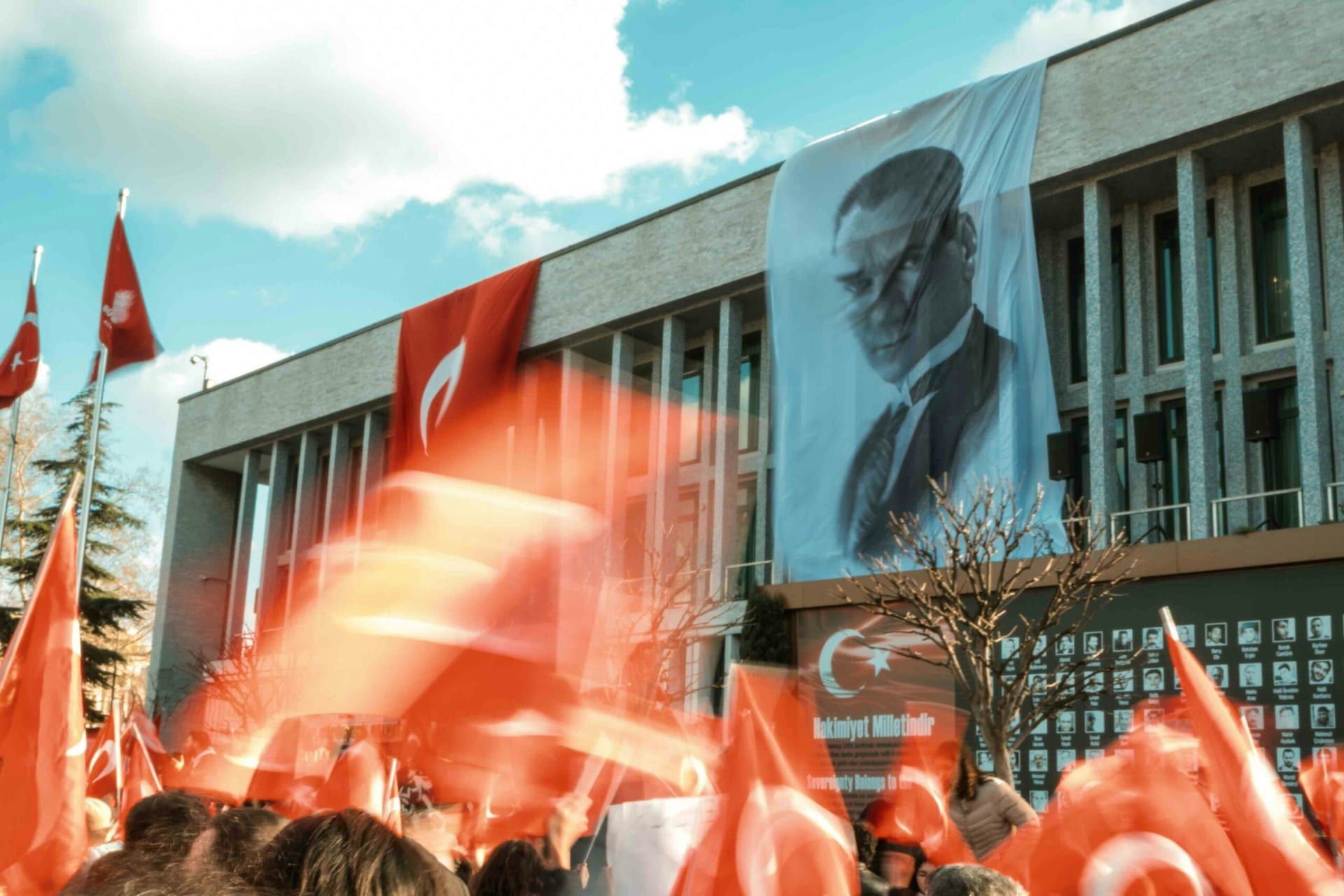
The election saw a high voter turnout and intense campaigning, with both candidates making impassioned appeals to their respective bases. Erdoğan’s victory, however, sparked protests in several cities, with opposition supporters alleging electoral unfairness, media bias, and restrictions on political freedoms. These protests, although widespread, did not alter the outcome, and Erdoğan was sworn in for his third term as President.
The implications of Erdoğan’s continued rule are far-reaching, especially for Turkey’s domestic governance and foreign policy. Analysts have suggested that his victory is indicative of a further shift toward centralized power in Turkey, signaling a departure from the more democratic norms that were a hallmark of the country’s early years as a republic. The coming years will be critical in determining Turkey’s political stability, its relationships with neighboring countries, and its broader role in international affairs.
Erdoğan’s victory, despite widespread dissatisfaction, underscores the deeply entrenched divisions within Turkish society. As he begins his third term, his government will face increasing pressure to address the growing concerns over the economy, governance, and civil liberties, while also managing the complex dynamics of Turkey’s foreign relations. The country’s political future remains uncertain, and how Erdoğan navigates these challenges will shape the direction of Turkey for years to come.

Men’s Insider Contributor
Marcus Hale
Covers sport and breaking news, following the competition and the people at the centre of the story.
This article features partner, contributor, or branded content from a third party. Members of the Men’s Insider editorial staff were not involved in the creation of this content. All views and opinions are those of the contributor alone.