Skek Gear delivers premium heavyweight fleece hoodies for men and women, designed in the USA and shipped nationwide for lasting comfort and style.
In an apparel industry defined by rapid production cycles and ever-changing trends, building a brand around a single product category can seem counterintuitive. For Mark Minhas, that narrow focus became the foundation for Skek Gear, a startup centered exclusively on heavyweight fleece hoodies.
The idea did not begin with a sweeping ambition to disrupt fashion. Instead, it stemmed from a practical frustration. Like many consumers, Minhas noticed that many sweatshirts on the market felt thin, lost their structure quickly, or failed to deliver consistent sizing. Rather than viewing this as a minor inconvenience, he saw an opportunity to build a product around durability, structure, and comfort.
Skek Gear was established with a clear premise: concentrate on fleece hoodies and refine them carefully. While many apparel brands diversify quickly across multiple categories, Skek Gear chose a more restrained path. The company’s early strategy centered on committing its resources to improving one core item rather than expanding into a broad product catalog.
Building a Brand Around Specialization
Specialization has long been a strategy used by companies seeking to differentiate themselves in competitive markets. In fashion, however, the pressure to release seasonal collections and expand into complementary items can be intense. Skek Gear’s approach moves in the opposite direction.
By focusing solely on heavyweight fleece hoodies for men and women, the company places its attention on fabric selection, fit development, stitching consistency, and finishing details. According to Minhas, narrowing the scope allows for more deliberate design decisions and closer quality oversight.
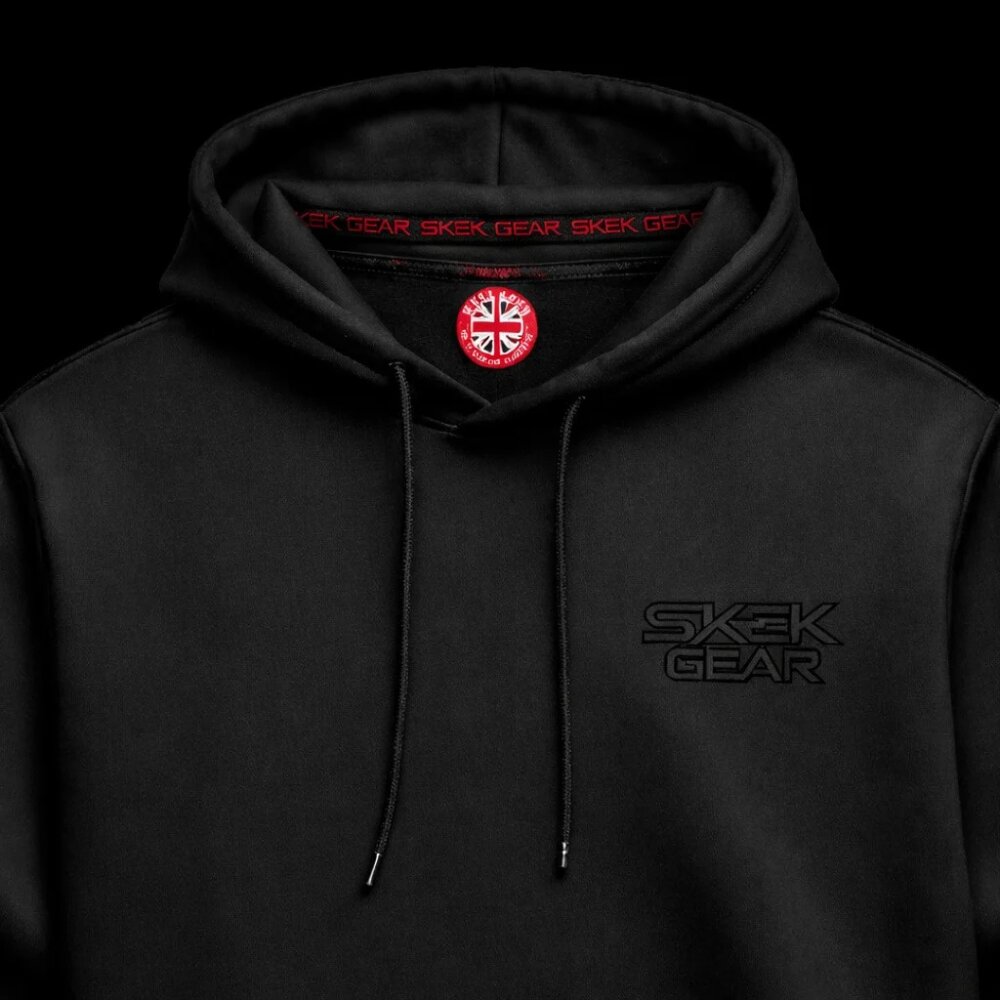
The hoodies are designed in the United States, with attention given to achieving a structured but comfortable fit. Rather than emphasizing trend-based silhouettes, the company prioritizes proportions intended for everyday wear. Production and shipping operations are also U.S.-based, a logistical decision aimed at maintaining consistency and reliability for domestic customers.
The Role of Fabric Weight and Construction
One of the defining characteristics of Skek Gear’s products is their emphasis on heavyweight fleece. Fabric weight, often measured in ounces per square yard or grams per square meter, plays a significant role in determining warmth, durability, and overall structure. Lighter-weight materials can be comfortable but may lose shape over time. Heavier fabrics typically offer greater insulation and a more substantial feel.
Minhas describes fabric weight as one of the most overlooked factors in casual wear purchasing decisions. In developing Skek Gear’s hoodies, the company prioritized a fleece material intended to retain warmth while maintaining structural integrity through repeated use and washing.
Beyond fabric selection, attention is directed toward seam reinforcement, cuff elasticity, and hood construction. Small adjustments in these areas can influence how a garment maintains its fit over time. The objective, according to the company, is to create a hoodie that performs consistently rather than deteriorating after a single season.
Navigating a Competitive Apparel Landscape
The global casualwear market is saturated with options at various price points. From fast-fashion retailers to established athletic brands, consumers encounter an extensive range of hoodies differing in material, price, and branding. For a startup, establishing credibility in such an environment requires clarity of positioning.
Skek Gear’s strategy does not rely on celebrity endorsements or aggressive expansion. Instead, the brand presents itself as a focused apparel company centered on a specific garment type. This approach reduces operational complexity while allowing the business to refine its manufacturing relationships and supply chain processes.
Industry analysts often note that startups entering crowded markets must articulate a distinct identity. In Skek Gear’s case, that identity is tied directly to product specialization and consistency. Rather than presenting itself as a lifestyle brand encompassing multiple apparel categories, the company frames its mission around delivering a dependable wardrobe staple.
The Human Element Behind the Business
While product design forms the technical backbone of the company, the brand’s origin remains rooted in a personal observation. Minhas, who serves as CEO, views the hoodie as more than a seasonal garment. For many people, it is an everyday essential, worn while traveling, commuting, relaxing at home, or layering during colder months.
This everyday relevance shaped the company’s development process. Instead of treating the hoodie as a secondary product within a broader line, Skek Gear treats it as the primary focus. The decision reflects a broader entrepreneurial philosophy: solving a single, tangible problem with deliberate attention rather than attempting to address multiple categories simultaneously.
As a new entrant in the apparel space, the company faces typical startup challenges, including brand recognition and market competition. However, its narrow scope allows it to concentrate resources where they matter most, fabric quality, fit refinement, and operational consistency.
A Measured Growth Path
Early-stage businesses often encounter pressure to scale rapidly. Skek Gear’s leadership has indicated a preference for steady, controlled growth instead of aggressive expansion. By maintaining a limited product line, the company can evaluate customer feedback and make incremental improvements without overextending production capacity.
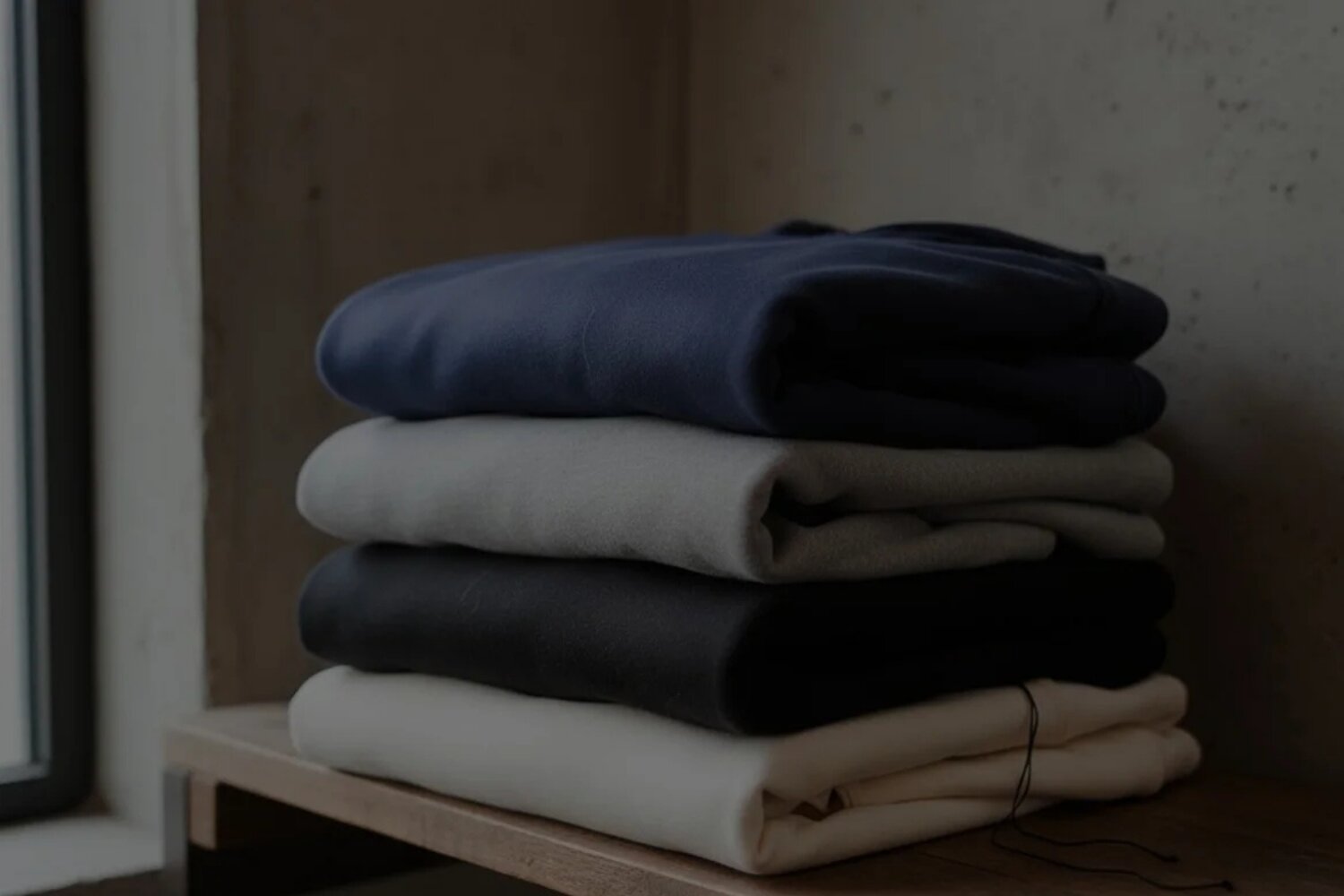
Color selections currently emphasize neutral tones such as black, grey, and navy, choices intended to provide versatility rather than follow short-term trends. This restrained approach aligns with the broader brand philosophy of longevity over novelty.
Looking ahead, Skek Gear’s trajectory will likely depend on how effectively it maintains its specialization while adapting to consumer expectations. Apparel markets are influenced by shifting economic conditions, supply chain factors, and evolving preferences. A focused model can provide stability, but long-term sustainability will require consistent execution.
Defining a Niche in Everyday Wear
Skek Gear represents a case study in focused entrepreneurship within a crowded sector. By narrowing its scope to heavyweight fleece hoodies, the company seeks to differentiate itself through material weight, structured design, and steady operational practices.
Whether this disciplined strategy translates into long-term market share remains to be seen. However, the brand’s early development highlights an alternative path in fashion entrepreneurship, one that prioritizes depth over breadth and refinement over rapid diversification.
For consumers, the hoodie may remain a simple wardrobe essential. For Skek Gear, it is the centerpiece of a carefully defined business model built on specialization, measured growth, and attention to construction detail.

Men’s Insider Contributor
Ethan Marsh
Covers health, fitness, and modern lifestyle, with a focus on practical habits and the long game of staying well.
This article features partner, contributor, or branded content from a third party. Members of the Men’s Insider editorial staff were not involved in the creation of this content. All views and opinions are those of the contributor alone.