The 2026 CrossFit Games entered their main three-day arena program on Friday, July 24, at SAP Center in San Jose, California, marking the competition’s 20th anniversary and its return to the state where the event began. Individual and team athletes are scheduled to compete through Sunday, July 26, while teenage and adaptive divisions are also being held in San Jose at the McEnery Convention Center.
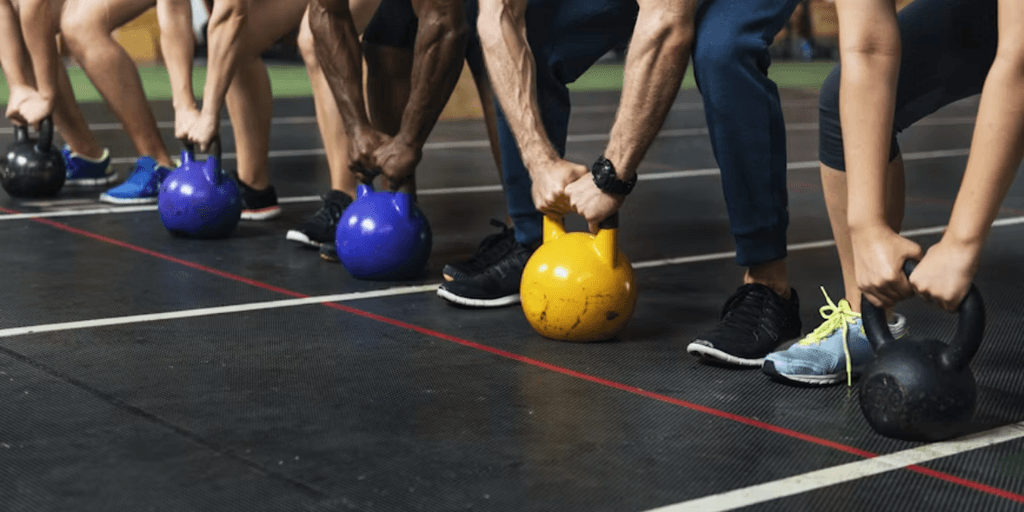
The weekend places one of functional fitness’s most prominent annual events at the center of the U.S. sports calendar. CrossFit describes the Games as a competition designed to identify athletes with broad physical capabilities. Instead of concentrating on one discipline, competitors face tests involving weightlifting, gymnastics, running, rowing, cycling and other endurance or skill-based activities.
Some workouts are released before the competition, while others may be announced shortly before athletes take the floor. This uncertainty is a defining part of the format because competitors must prepare for numerous physical demands rather than specialize in one movement, distance or piece of equipment. The official Games overview notes that the schedule can also be updated as events are released.
This year’s edition carries additional historical significance. The first CrossFit Games were staged in 2007 at a ranch in Aromas, California, with a smaller field and a far simpler competition setup. The 2026 championship celebrates 20 years of the event by returning to California, this time inside a major professional sports arena in San Jose.
The qualifying route demonstrates how the Games have developed into a lengthy international competition system. The 2026 season started with the CrossFit Open from February 26 through March 16. Quarterfinals followed from March 26 to 30, while semifinal competitions were held from April through June. Athletes advanced through those stages before the final championship fields were determined.
The structure gives recreational gym members and elite competitors a connection to the same competitive calendar, although the physical standards displayed at the Games represent the highest level of the sport. The championship fields include 30 individual men, 30 individual women and 20 teams, according to CrossFit’s published event information.
Fans can follow a long competition window rather than a single championship final. CrossFit’s official viewing guide lists Friday coverage from 7 a.m. to 7:40 p.m. Pacific time, followed by additional sessions on Saturday and Sunday. Because schedules can change, the organization directs viewers to its website and Games app for current event times and updates.
For viewers, the competition is appealing because the tests demand visibly different abilities. A powerful athlete can lose ground during a long endurance event, while a fast runner may struggle when heavy lifting or advanced gymnastics becomes decisive.
Released anniversary workouts illustrate that variety. The program includes a 1,000-meter row followed by pull-ups and push jerks, a 7,200-meter trail run and one-repetition maximum tests in the back squat, shoulder press and deadlift. Other announced tests include cycling, sprinting, swimming and barbell movements.
The San Jose weekend is also broader than the elite leaderboard. The city’s visitor organization describes the Games as a celebration of fitness, competition and community. CrossFit scheduled free spectator workouts outside SAP Center on Friday and Saturday, with hourly sessions planned during part of each afternoon.
Men’s fitness enthusiasts can draw practical lessons from the event without attempting elite-level workouts. The first is that balanced training matters. The Games format rewards athletes who develop strength, cardiovascular capacity, coordination, mobility and technical skill together.
The second lesson is that progress can be measured across different tasks rather than judged solely by appearance. Recording running times, lifting performance and movement quality can provide a broader picture of development.
The third lesson is that advanced movements and heavy loads belong in a structured progression, not an improvised challenge. Championship workouts are designed for experienced qualifiers and should not be copied without considering technique, ability and appropriate scaling.
A more useful approach for everyday athletes is to borrow the underlying principle. Combine sensible strength training, conditioning, movement practice and recovery within a program suited to personal experience and goals.
The 2026 CrossFit Games matter beyond determining this year’s champions. Their return to California connects the modern arena event with its smaller 2007 beginnings, while the multi-division weekend shows how functional fitness now includes elite professionals, teenagers, adaptive competitors and ordinary gym members.
For Men’s Insider readers, the central takeaway is straightforward. Long-term fitness is built through variety, consistency and disciplined progression, not by chasing one dramatic workout.

Men’s Insider Contributor
Marcus Hale
Covers sport and breaking news, following the competition and the people at the centre of the story.
This article features partner, contributor, or branded content from a third party. Members of the Men’s Insider editorial staff were not involved in the creation of this content. All views and opinions are those of the contributor alone.