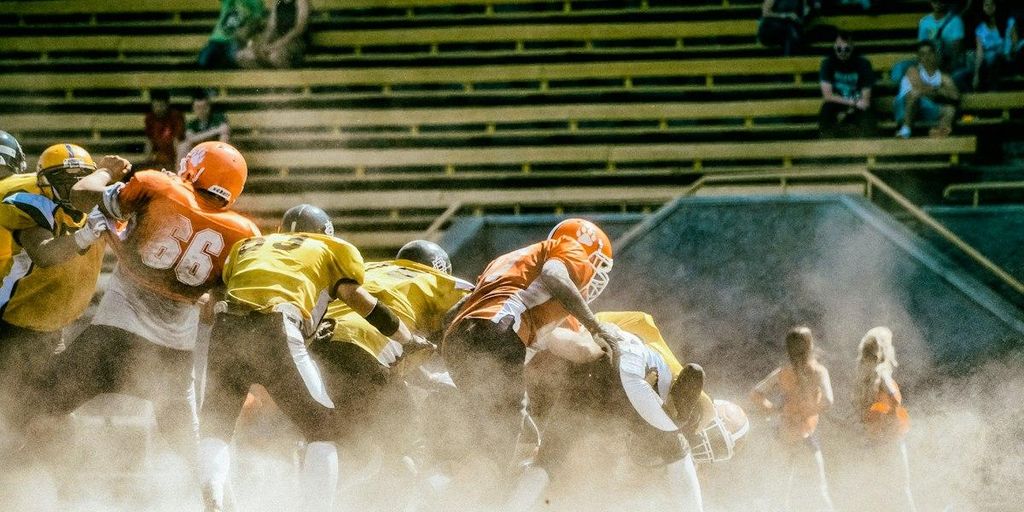
Buffalo improves to 7-1 after a defensive performance and a strong rushing display against Minnesota on Monday night.
The Buffalo Bills strengthened their position in the American Football Conference with a 23-6 road victory over the Minnesota Vikings, combining a disciplined defensive performance with an increasingly effective rushing attack at U.S. Bank Stadium.
Quarterback Josh Allen threw for 234 yards and a touchdown, while running back James Cook carried the ball 31 times for 107 yards and another score. Buffalo's defense also produced three turnovers, helping the team control the game after a closely contested opening period.
The victory moved Buffalo to 7-1, giving the team its fourth consecutive win. Minnesota fell to 6-2 after struggling to generate consistent offensive production.
A Defensive Contest in the Opening Half
The matchup began as a difficult contest for both offenses.
Minnesota's defensive pressure created problems for Allen during Buffalo's early possessions. The Vikings repeatedly sent additional pass rushers, limiting the quarterback's opportunities to establish a consistent passing rhythm.
Buffalo initially struggled to convert promising field positions into touchdowns.
The Bills opened the scoring with a Tyler Bass field goal, while Minnesota responded with a 43-yard field goal to tie the game at 3-3.
The defensive battle continued as both teams experienced difficulty sustaining drives.
Minnesota's offense also encountered problems against Buffalo's defensive unit. Quarterback Carson Wentz struggled to find open passing opportunities, and the Vikings were unable to establish a reliable offensive rhythm.
The game changed shortly before halftime when Allen connected with tight end Keleki Latu for a 25-yard touchdown.
The reception gave Latu his first career touchdown and allowed Buffalo to enter the break with a 10-6 advantage.
Buffalo's Defense Creates Opportunities
The Bills' defensive performance became increasingly important as the game progressed.
Linebackers Dorian Williams and Terrel Bernard each intercepted Wentz, contributing to Minnesota's inability to build momentum.
The defense also forced a turnover on a backward pass that resulted in a lost fumble.
Those plays limited Minnesota's opportunities to recover from its offensive struggles.
The Vikings finished the game without a passing touchdown and managed only 139 passing yards between Wentz and backup quarterback Max Brosmer.
Wentz completed eight of 25 passes for 81 yards and threw two interceptions before being replaced during the fourth quarter.
Minnesota's offense was unable to convert effectively on third downs, finishing the game without a successful conversion in seven attempts.
The defensive performance allowed Buffalo to remain in control even when its own offense was not producing explosive plays.
James Cook Takes Control in the Fourth Quarter
Cook became increasingly influential as the contest moved toward its conclusion.
The running back finished with 107 rushing yards on 31 carries, providing Buffalo with a dependable option when the passing game encountered pressure.
His workload increased during an extended fourth-quarter possession that consumed more than eight minutes.
Buffalo used a series of running plays to move down the field and limit Minnesota's opportunities to respond.
Cook eventually completed the drive with a five-yard touchdown run, extending the Bills' lead to 20-6.
The possession demonstrated the importance of maintaining offensive balance against a defense that had initially created significant pressure.
Bass added a 52-yard field goal later in the game to establish the final 23-6 margin.
Allen and Cook Reach a Notable Milestone
The game also produced a statistical milestone for Buffalo's offensive leaders.
Allen and Cook became the first quarterback-running back teammates in NFL history to reach 5,000 career rushing yards as teammates in the same season.
Allen finished with 21 completions on 31 attempts for 234 passing yards, one touchdown and one interception. He also contributed 15 rushing yards.
Cook's 31 carries represented a substantial share of Buffalo's offensive workload.
The combination allowed the Bills to maintain possession for 42 minutes and 32 seconds, compared with 17 minutes and 28 seconds for Minnesota.
That difference reflected Buffalo's ability to control the pace and prevent the Vikings from sustaining enough offensive possessions to challenge the lead.
What the Result Means for Both Teams
Buffalo's victory continued a strong start to the season and reinforced the importance of its defensive consistency.
The team demonstrated that it could win a difficult road game without relying entirely on high-scoring offensive production.
For Minnesota, the defeat highlighted continuing concerns about offensive execution.
The Vikings entered the game with a 6-1 record but experienced difficulties sustaining drives and protecting possession against Buffalo.
The performance also underscored the importance of quarterback availability, as Kyler Murray was sidelined by a hamstring injury and Wentz was given the starting responsibility.
A Significant November Result
The 23-6 victory provided Buffalo with another important result as the regular season continued.
Its defensive turnovers, sustained possession and late rushing production created a clear separation between the teams.
The game also demonstrated how a balanced offensive approach can complement a strong defensive performance when facing an opponent capable of applying significant pressure.
With the Bills improving to 7-1 and Minnesota falling to 6-2, the result carried implications for both teams' positions as the season moved deeper into November.

Men’s Insider Contributor
Marcus Hale
Covers sport and breaking news, following the competition and the people at the centre of the story.
This article features partner, contributor, or branded content from a third party. Members of the Men’s Insider editorial staff were not involved in the creation of this content. All views and opinions are those of the contributor alone.