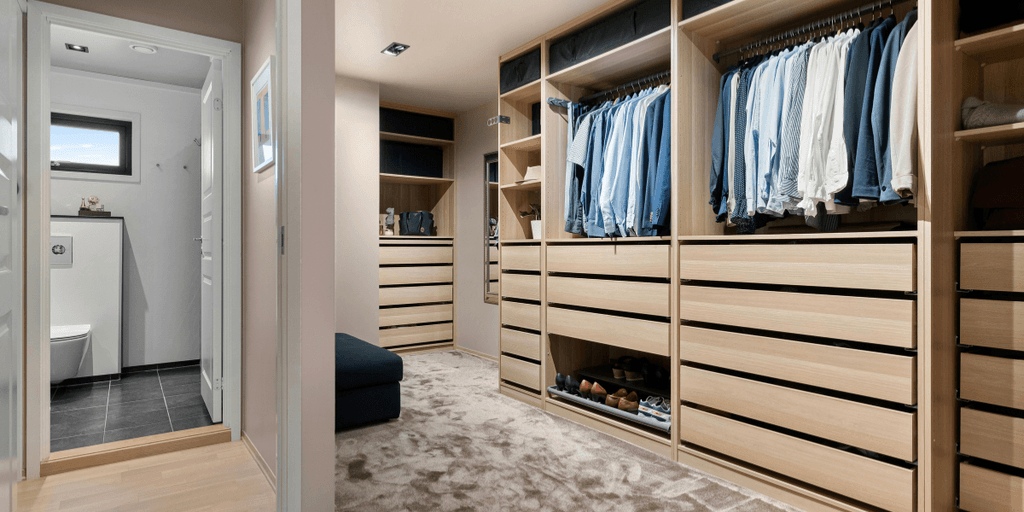
The biggest story in men’s fashion this summer is not a single garment, designer, or celebrity trend. Instead, it is a broader shift toward versatility, comfort, and intentional style choices that reflect how modern men live and work.
Across fashion weeks, retail collections, and industry trend reports, menswear in 2026 is increasingly moving away from rigid rules and highly structured silhouettes. In their place, designers and brands are embracing relaxed tailoring, breathable fabrics, functional clothing, and accessories that balance practicality with personal expression.
The trend reflects changing consumer priorities. Rather than chasing short-lived fashion statements, many men are investing in clothing that can transition seamlessly between professional settings, social events, travel, and everyday life.
One of the most noticeable developments is the rise of relaxed tailoring. Fashion analysts report significant growth in demand for softer, less restrictive suits and separates. Modern tailoring now emphasizes comfort through looser cuts, natural draping fabrics, and unstructured jackets that maintain a polished appearance without feeling overly formal.
This shift is evident across luxury and mainstream brands alike. Industry observers note that contemporary tailoring is designed to move naturally with the body, offering a more practical alternative to the slim-cut styles that dominated previous years. The result is a wardrobe that feels sophisticated while remaining comfortable enough for daily wear.
Another major trend shaping men’s style in 2026 is the growing popularity of lightweight fabrics. Linen, cotton blends, and technical performance materials are becoming staples as consumers prioritize breathability and versatility. Fashion experts point out that modern menswear increasingly combines classic aesthetics with functional design, creating garments suitable for both urban environments and outdoor activities.
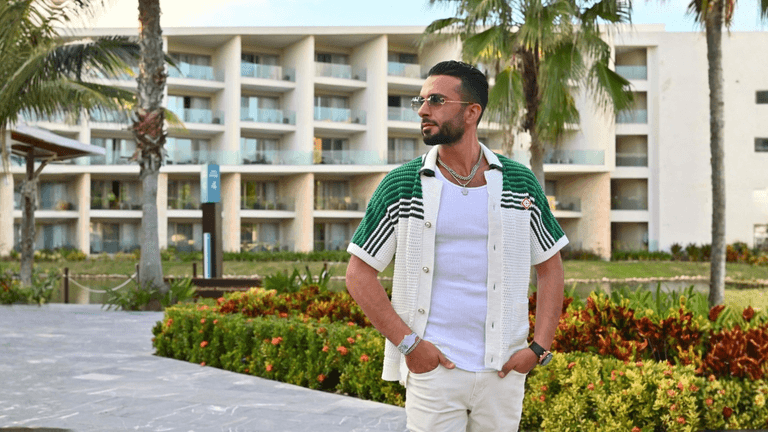
The emphasis on functionality extends beyond clothing. Accessories are playing a larger role in defining personal style. Instead of relying solely on bold statement pieces, many men are opting for refined additions such as leather totes, minimalist watches, loafers, and versatile sunglasses that complement a wide range of outfits.
Color palettes are evolving as well. While black remains a wardrobe staple, trend forecasts indicate growing interest in warmer earth tones, including walnut, mocha, beige, olive, and soft browns. These shades offer flexibility and pair easily with both casual and tailored pieces, making them practical choices for men seeking long-term wardrobe value.
Sports culture continues to influence fashion, particularly as global sporting events generate increased attention on athlete style. Players are increasingly viewed as fashion influencers, with travel wardrobes and off-field appearances receiving significant media coverage. This intersection of sports and style has contributed to the popularity of relaxed suiting, premium sportswear, and elevated casual clothing.
Fashion analysts also observe a growing appreciation for heritage-inspired design. Traditional menswear elements such as loafers, striped shirts, quarter-zip sweaters, and classic tailoring are being reinterpreted through modern silhouettes and materials. The result is a balance between timeless style and contemporary comfort.
For men interested in upgrading their wardrobes, experts suggest focusing on versatile essentials rather than chasing every emerging trend. A well-fitted pair of relaxed trousers, an unstructured blazer, a quality linen shirt, and clean footwear can create the foundation for numerous outfits suitable for different occasions.
This practical approach reflects a broader shift in consumer behavior. Rather than purchasing large quantities of trend-driven clothing, shoppers are increasingly seeking pieces that offer durability, adaptability, and long-term relevance. The growing interest in quality over quantity aligns with wider industry conversations about sustainability and mindful consumption.
Technology is also influencing the fashion landscape. Retailers are using data-driven insights and artificial intelligence tools to better understand consumer preferences, improve inventory management, and recommend personalized styling options. These innovations are helping brands respond more effectively to changing tastes while reducing waste associated with overproduction.
Looking ahead, industry experts expect the focus on comfort, versatility, and individuality to remain strong throughout the remainder of 2026. While specific trends may evolve, the underlying philosophy appears clear: men are seeking clothing that supports their lifestyles rather than dictates them.
For today’s consumer, style is becoming less about following strict fashion rules and more about building a wardrobe that feels authentic, functional, and adaptable. Whether through relaxed tailoring, breathable fabrics, or thoughtfully chosen accessories, the modern approach to menswear is increasingly centered on confidence, practicality, and personal expression.
As the fashion industry continues to evolve, one message stands out. The most influential trend of 2026 may simply be dressing with purpose, choosing pieces that look good, feel comfortable, and remain relevant long after seasonal trends have passed.

Men’s Insider Contributor
Ethan Marsh
Covers health, fitness, and modern lifestyle, with a focus on practical habits and the long game of staying well.
This article features partner, contributor, or branded content from a third party. Members of the Men’s Insider editorial staff were not involved in the creation of this content. All views and opinions are those of the contributor alone.