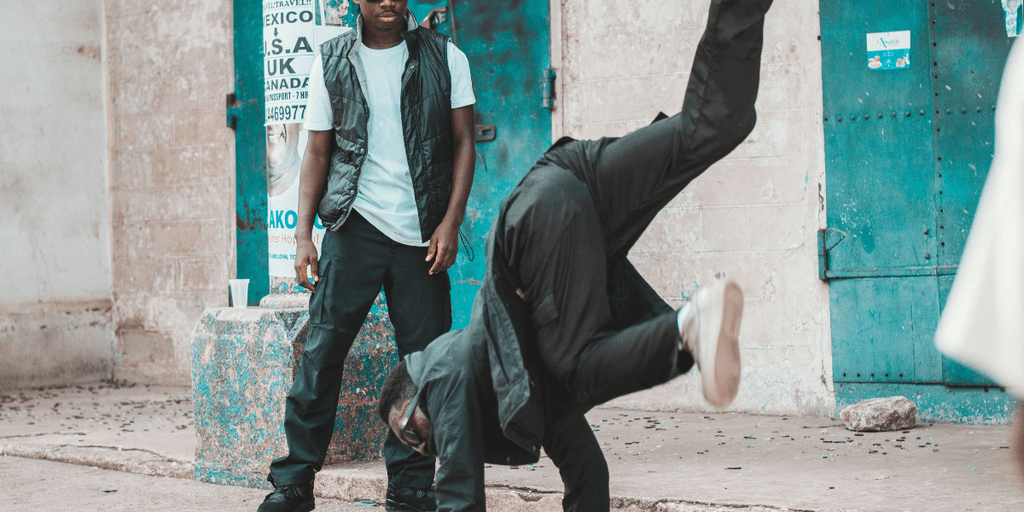
The men’s fashion and lifestyle industry continued evolving rapidly on May 27, 2026, as brands, retailers, and style experts highlighted growing consumer demand for versatile clothing, sustainability, and practical wardrobe investments. Across the United States, industry analysts say men are increasingly prioritizing quality, comfort, and long-term value when purchasing apparel and accessories.
Retail experts report that changing workplace habits, economic caution, and rising interest in self-improvement have contributed to a broader transformation in how men approach personal style. Rather than focusing solely on trend-driven fashion, consumers are gravitating toward adaptable pieces that work across professional, casual, and social settings.
This shift was evident during several fashion industry showcases and retail events taking place this week, where brands emphasized timeless essentials, relaxed tailoring, and multifunctional apparel designed for everyday wear. According to analysts following the menswear market, lightweight jackets, neutral-toned sneakers, knit polos, technical trousers, and minimalist accessories remain among the strongest-performing categories for 2026.
Industry observers note that comfort-focused design continues to influence menswear collections. Flexible fabrics, breathable materials, and hybrid clothing that blends athletic and professional aesthetics have become increasingly common as consumers seek practicality without sacrificing appearance.
Major retailers also reported stronger interest in capsule wardrobes, a concept centered on owning fewer but more versatile clothing items. Fashion consultants say many shoppers are becoming more intentional about purchases, focusing on durability and styling flexibility instead of fast-changing seasonal trends.
Sustainability remains another major focus within the industry. Several apparel companies this month expanded initiatives involving recycled fabrics, lower-impact manufacturing, and transparent sourcing practices. Market analysts say environmentally conscious purchasing decisions are becoming more influential among younger male consumers, particularly those interested in premium casualwear and outdoor-inspired fashion.
Research firms covering the apparel sector noted that men’s fashion spending has remained relatively stable despite broader economic uncertainty, partly because consumers increasingly view clothing and grooming as part of personal development and professional confidence. Lifestyle experts say appearance and presentation continue playing an important role in networking, career growth, and social engagement.
Accessories have also become a stronger growth category in 2026. Watches, leather goods, sunglasses, crossbody bags, and understated jewelry are seeing renewed interest as men incorporate smaller statement pieces into otherwise minimalist wardrobes. Retail analysts say functional accessories that combine style and practicality are especially popular among younger professionals.
Footwear companies are likewise adapting to changing consumer preferences. Sneakers designed with premium materials and understated styling continue performing well across multiple age groups. At the same time, classic loafers and hybrid dress shoes have regained popularity as office attendance gradually increases in many industries.
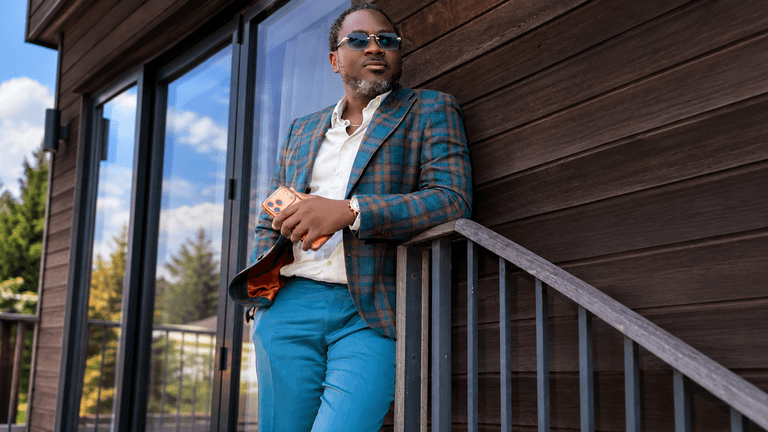
Fashion editors have also identified renewed interest in tailoring, although modern tailoring trends differ significantly from previous decades. Rather than structured formalwear, many brands are promoting relaxed blazers, unstructured jackets, and softer silhouettes that balance professionalism with comfort.
Digital platforms and social media creators continue influencing purchasing behavior, but experts say consumers are becoming more selective about trend cycles. Style advisors increasingly recommend building wardrobes around foundational items that remain relevant over multiple seasons.
Health and wellness trends are additionally shaping the broader men’s lifestyle market. Grooming products, skincare routines, fitness-oriented apparel, and wellness-focused accessories are increasingly integrated into lifestyle branding campaigns targeting modern male audiences. Analysts say the overlap between fashion, confidence, and self-care has become more visible in marketing strategies throughout 2026.
E-commerce continues driving much of the sector’s growth, though physical retail stores are adapting by emphasizing personalized experiences and styling services. Several national retailers have expanded in-store consultation programs and technology-assisted fitting tools aimed at improving convenience and reducing return rates.
Industry reports released this week also highlighted the continued expansion of men’s lifestyle content platforms, which now cover broader topics including productivity, travel, fitness, mental wellness, and career development alongside fashion advice. Media analysts say audiences increasingly seek practical, informative content rather than purely trend-based coverage.
Economic experts believe the men’s apparel market will remain resilient through the second half of 2026 due to ongoing demand for versatile clothing suitable for hybrid work environments and evolving social habits. Analysts also expect continued growth in premium casualwear and sustainable fashion categories as consumers prioritize longevity and functionality.
For many shoppers, today’s menswear trends reflect broader lifestyle priorities centered on confidence, simplicity, and practicality. As brands continue balancing innovation with timeless design, the industry appears positioned to further expand its focus on everyday versatility and long-term value.
The continued evolution of men’s fashion demonstrates how style has become increasingly connected to personal identity, wellness, and professional presentation. Industry leaders say the modern consumer is no longer seeking only appearance-driven purchases, but products that align with comfort, adaptability, and long-term lifestyle goals.

Men’s Insider Contributor
Ethan Marsh
Covers health, fitness, and modern lifestyle, with a focus on practical habits and the long game of staying well.
This article features partner, contributor, or branded content from a third party. Members of the Men’s Insider editorial staff were not involved in the creation of this content. All views and opinions are those of the contributor alone.