The men’s lifestyle and grooming industry in the United States continued its rapid expansion on May 23, 2026, as major fashion, skincare, and personal care brands introduced new product lines focused on wellness, self-care, and simplified daily routines. Industry analysts say the latest developments reflect a broader shift in consumer behavior, with more men investing in grooming products, skincare solutions, and versatile fashion essentials designed for both comfort and professional appearance.
Several leading companies in the apparel and grooming sectors reported increased consumer demand during the spring retail season, particularly for products that combine practicality with modern styling. Retail experts note that men across multiple age groups are showing stronger interest in premium basics, skincare education, and long-lasting wardrobe staples rather than fast-changing seasonal trends.
Brands including Nike, Lululemon, Levi Strauss & Co., and Hanesbrands have continued expanding men’s collections centered around hybrid fashion pieces that work across office, travel, and casual settings. Industry reports indicate that lightweight outerwear, neutral-toned sneakers, performance fabrics, and minimalist accessories remain among the strongest-selling categories this year.
Retail analysts say the trend is closely tied to evolving workplace habits and lifestyle preferences. With hybrid work environments still common in many industries, consumers are prioritizing versatile clothing that balances comfort and polished presentation. As a result, brands are increasingly marketing products designed for flexibility throughout the day rather than highly formal or highly athletic use alone.
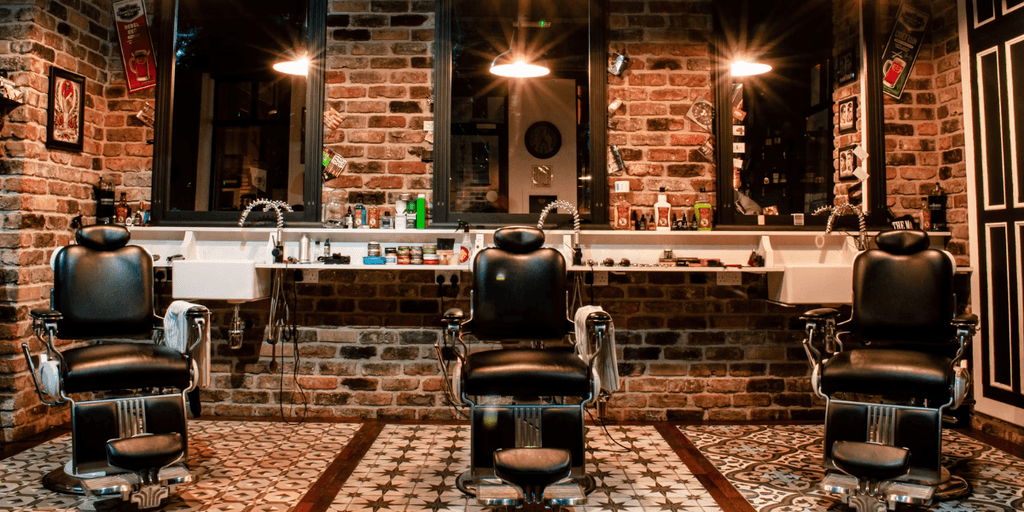
At the same time, the men’s grooming segment is experiencing notable momentum. Major retailers have expanded shelf space dedicated to facial cleansers, moisturizers, beard care products, hair treatments, and fragrance collections targeted specifically toward male consumers. According to market research released this week, younger consumers continue driving growth in skincare adoption, while older shoppers are contributing to increased demand for wellness-oriented grooming products.
Dermatologists and grooming specialists say one reason behind the category’s growth is greater awareness of long-term skin health and personal wellness. Social media creators, athletes, and entertainment figures have also helped normalize skincare routines and self-care discussions among male audiences over the past several years.
Fragrance sales have emerged as another major area of growth within the lifestyle sector. Luxury and mid-range cologne brands reported strong demand during the first half of 2026, particularly for fresh and versatile scents suitable for both professional and casual settings. Retailers say consumers are increasingly treating fragrance as part of a broader personal style strategy rather than an occasional purchase.
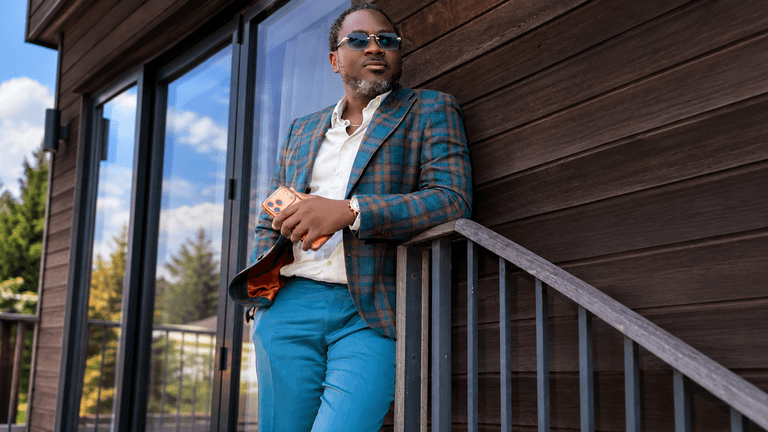
Accessories are also playing a larger role in current men’s fashion trends. Watches, leather bags, sunglasses, and understated jewelry continue gaining popularity among consumers seeking simple ways to upgrade their appearance without dramatically changing their wardrobes. Stylists note that minimalist accessories remain especially appealing because they pair easily with both business and casual attire.
Footwear companies have similarly adjusted to changing consumer preferences. Sneakers that combine athletic comfort with clean, everyday styling continue dominating sales across major retail platforms. Analysts say consumers increasingly prefer durable, multipurpose shoes capable of transitioning between commuting, office use, and weekend activities.
Another major development in the industry involves sustainability initiatives. Several apparel companies announced expanded use of recycled materials, water-saving manufacturing techniques, and longer-lasting fabric designs this month. Consumers, particularly younger buyers, are paying closer attention to product durability and sourcing practices when making purchasing decisions.
Industry observers say the growing focus on self-improvement and wellness has reshaped the broader men’s lifestyle market beyond fashion alone. Health-focused routines, fitness tracking, skincare education, and mental wellness habits are increasingly being integrated into branding campaigns and retail strategies.
Digital commerce also continues to influence purchasing behavior. Online shopping platforms and mobile retail apps have made it easier for consumers to compare products, access styling advice, and discover personalized recommendations. Many brands are now investing heavily in virtual fitting tools, AI-powered sizing assistance, and curated shopping experiences designed to simplify purchasing decisions.
Retail consultants believe the current momentum in the men’s lifestyle sector reflects lasting behavioral changes rather than short-term trends. Consumers are placing higher value on confidence, personal presentation, and practical self-care routines that fit naturally into everyday life.
For readers interested in upgrading their own routines, experts recommend focusing on timeless wardrobe essentials, consistent skincare habits, and versatile accessories that offer long-term value. Industry professionals also advise consumers to prioritize fit, comfort, and quality over rapidly changing fashion cycles.
As the men’s lifestyle market continues evolving throughout 2026, analysts expect further innovation in grooming technology, performance apparel, sustainable manufacturing, and personalized shopping experiences. The sector’s continued growth highlights how modern consumers increasingly view style and self-care as connected elements of professional confidence and personal well-being.

Men’s Insider Contributor
Ethan Marsh
Covers health, fitness, and modern lifestyle, with a focus on practical habits and the long game of staying well.
This article features partner, contributor, or branded content from a third party. Members of the Men’s Insider editorial staff were not involved in the creation of this content. All views and opinions are those of the contributor alone.