The global luxury watch industry is experiencing renewed momentum in 2026 as younger consumers increasingly invest in premium timepieces that combine craftsmanship, technology, and personal style. Industry analysts and fashion experts say the trend is reshaping the modern men’s accessories market, with demand rising for both classic mechanical watches and newer high-end smart models.
Several reports released this week show that luxury watch sales in the United States and other major markets continue to perform strongly despite broader economic uncertainty. Analysts point to growing interest among younger professionals, particularly men in their 20s and 30s, who increasingly view watches as both fashion statements and long-term personal investments.
Fashion consultants say modern buyers are approaching watches differently than previous generations. While older consumers often purchased luxury watches primarily for status or tradition, younger buyers are increasingly focused on versatility, craftsmanship, and everyday styling.
Today’s consumers want accessories that fit both professional and casual settings. Men are increasingly looking for pieces they can wear with tailoring, relaxed streetwear, or business casual clothing without sacrificing quality or comfort.
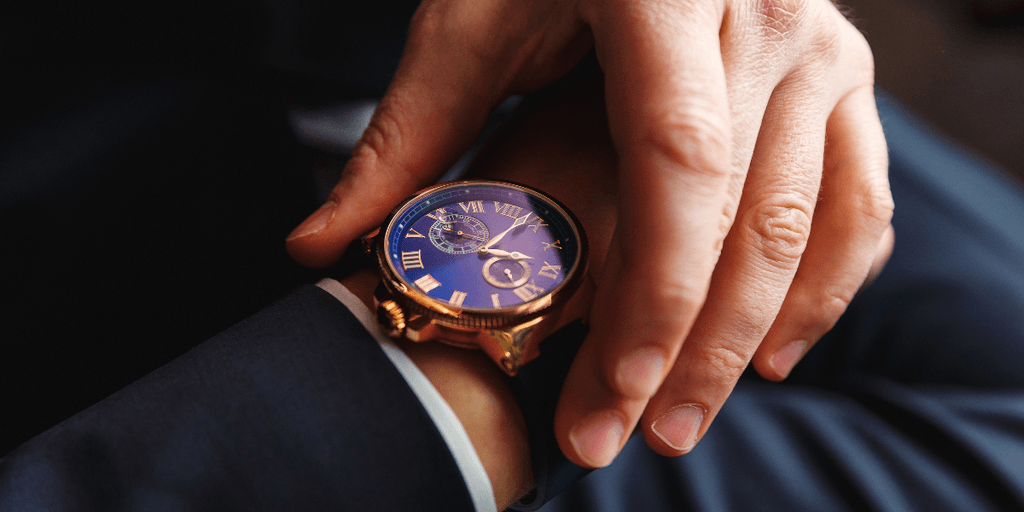
Minimalist watch designs featuring smaller case sizes, clean dials, and neutral tones have become especially popular in 2026. Stainless steel sports watches, integrated-bracelet designs, and vintage-inspired models continue to dominate fashion trends across retail platforms and style publications.
At the same time, luxury smartwatches are also gaining traction among professionals seeking a blend of fashion and functionality. Companies including Apple, Garmin, and TAG Heuer have expanded premium wearable offerings that combine health tracking features with luxury materials and traditional styling elements. Analysts say the crossover between fashion and technology has become one of the most important developments in men’s accessories this year.
Health-related features are also influencing purchasing decisions. Wearables capable of tracking sleep, exercise, heart rate, and recovery metrics have become increasingly attractive to consumers focused on fitness and wellness. As more buyers prioritize healthier lifestyles, wearable device sales continue to rise globally.
Luxury retailers are adapting quickly to these evolving preferences. Department stores and specialty boutiques across major U.S. cities have expanded watch sections, while online fashion platforms are investing more heavily in editorial content aimed at younger male shoppers. Industry observers say digital shopping habits are significantly influencing how consumers research and purchase accessories.
Social media platforms and online style publications have also contributed to rising interest in men’s accessories and self-presentation. Fashion influencers and athletes regularly showcase watches as part of broader lifestyle branding, encouraging younger audiences to view watches as everyday essentials rather than occasional luxury purchases.
Sports partnerships continue to play a major role in the market as well. Major watch brands remain heavily involved in Formula One, tennis, golf, and international football sponsorships, helping reinforce connections between athletic performance, precision, and luxury design. Sports marketing experts say these collaborations help brands reach younger demographics who value both style and performance-oriented products.
Beyond fashion trends, the growing popularity of watches reflects broader changes in men’s lifestyle spending habits. Market researchers note that many consumers are shifting purchases away from fast fashion and toward fewer, higher-quality accessories with longer usability. This “buy better, buy less” mindset has contributed to stronger demand for premium footwear, leather goods, tailoring, and watches throughout 2026.
Retail analysts also point to increasing interest in sustainability and responsible manufacturing. Consumers are asking more questions about sourcing, production methods, and long-term durability before making luxury purchases. Several watchmakers have introduced sustainability initiatives involving recycled metals, ethical sourcing practices, and energy-efficient manufacturing facilities in response to these concerns.
Fashion experts believe the trend is likely to continue through the remainder of the year as men place greater emphasis on personal presentation and versatile wardrobe investments. Accessories, particularly watches, are increasingly viewed as practical style pieces capable of elevating both formal and casual looks.
For consumers navigating today’s evolving fashion landscape, industry specialists recommend focusing on timeless designs, comfort, and versatility rather than short-term trends alone. Whether mechanical or digital, luxury watches continue to hold a unique place in modern men’s style by combining craftsmanship, identity, and functionality in a single accessory.
As the luxury accessories market continues expanding in 2026, the watch industry appears positioned to remain one of the strongest sectors within men’s fashion and lifestyle spending.

Men’s Insider Contributor
Ethan Marsh
Covers health, fitness, and modern lifestyle, with a focus on practical habits and the long game of staying well.
This article features partner, contributor, or branded content from a third party. Members of the Men’s Insider editorial staff were not involved in the creation of this content. All views and opinions are those of the contributor alone.