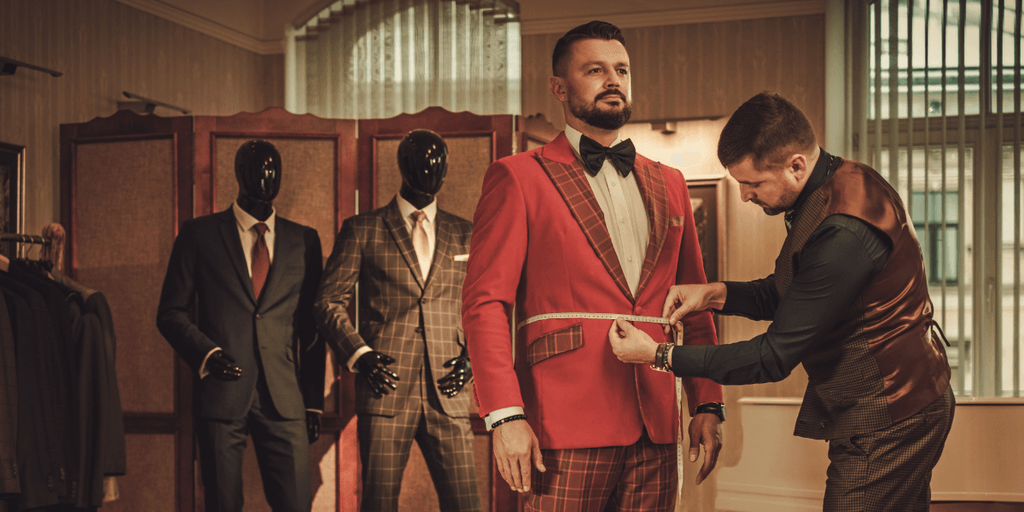
Men’s fashion in 2026 is continuing to evolve toward comfort, versatility, and practical sophistication. Across global fashion events and seasonal collections, designers are emphasizing relaxed tailoring, breathable fabrics, refined accessories, and adaptable wardrobe pieces that suit modern lifestyles.
The latest menswear trends reflect changing consumer preferences shaped by hybrid work environments, increased travel, wellness-focused living, and a growing interest in personal style without excessive formality. Industry observers say the modern men’s wardrobe is becoming more flexible, balancing polished aesthetics with comfort and functionality.
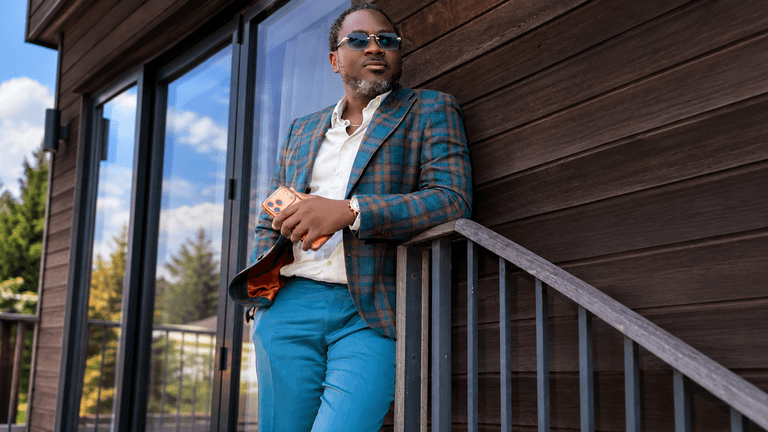
Recent fashion presentations highlighted how oversized silhouettes, lightweight fabrics, and softer tailoring are replacing rigid, traditional fits. Spring and summer collections showcased linen shirts, relaxed chinos, unstructured jackets, and loose-cut trousers designed for both casual and semi-formal settings.
Designers notably shifted away from classic corporate suits in favor of elegant leisurewear. Collections focused on breathable fabrics such as washed cotton and lightweight linen, offering men versatile clothing suitable for travel, outdoor events, and relaxed office environments.
Fashion analysts say this movement reflects a broader industry trend toward intentional purchasing. Consumers increasingly favor clothing that can transition across multiple settings rather than highly specialized outfits. Versatility and durability are becoming major selling points for men shopping for wardrobe essentials.
Relaxed-fit chinos have emerged as one of the standout menswear items this year. Fuller silhouettes and roomier cuts are becoming defining style features in 2026, replacing the slim-fit trends that dominated previous years.
Accessories are also playing a larger role in defining personal style. Watches, leather bags, minimalist sneakers, and understated jewelry continue gaining popularity among men looking to elevate casual outfits without appearing overly formal. Style experts report increased demand for accessories that combine practicality with subtle luxury.
Sneaker trends are similarly evolving toward softer textures and muted color palettes. Suede finishes, low-profile silhouettes, and vintage-inspired designs are becoming more common as consumers prioritize comfort and everyday wearability.
Seasonal color trends indicate that men are becoming more open to experimentation while still favoring wearable tones. Fashion experts report growing interest in soft greens, pastel shades, earthy browns, and muted oranges, particularly for spring and summer collections.
The rise of resort-inspired dressing has also influenced menswear styling in 2026. Designers are incorporating relaxed shirts, striped polos, drawstring trousers, and lightweight outerwear inspired by travel and coastal aesthetics.
Technology is beginning to shape the fashion industry more directly as well. New artificial intelligence tools are being developed to improve digital outfit recommendations, virtual try-on systems, and personalized fashion experiences. Researchers and retailers are increasingly exploring AI systems capable of analyzing fabrics, styling compatibility, and occasion-based outfit coordination to help consumers make more informed wardrobe choices.
Industry experts believe these developments may eventually influence online retail experiences by allowing shoppers to visualize combinations more accurately before making purchases. Although still emerging, AI-driven personalization is expected to become increasingly important within the broader apparel and lifestyle market.
Meanwhile, men’s grooming continues to expand alongside fashion trends. Grooming routines centered on skincare, hair care, beard maintenance, and wellness products remain a growing part of the broader men’s lifestyle industry. Analysts attribute this growth to increased consumer interest in self-care and professional presentation.
Fashion historians also note that today’s menswear trends reflect a longer-term shift toward comfort-oriented dressing that accelerated during the early 2020s. Relaxed silhouettes, functional fabrics, and understated luxury remain central themes influencing current collections.
Looking ahead, upcoming international fashion events are expected to continue shaping the direction of men’s style. Expanded menswear presentations from luxury houses and emerging designers are signaling strong momentum for innovation within the global menswear market.
For modern consumers, the latest fashion trends are less about rigid dress codes and more about adaptable self-expression. Whether through relaxed tailoring, upgraded basics, refined accessories, or practical grooming habits, men’s fashion in 2026 is increasingly centered on confidence, comfort, and versatility.
As lifestyle priorities continue evolving, the fashion industry appears focused on delivering clothing and products that align with how men work, travel, socialize, and present themselves in everyday life.

Men’s Insider Contributor
Ethan Marsh
Covers health, fitness, and modern lifestyle, with a focus on practical habits and the long game of staying well.
This article features partner, contributor, or branded content from a third party. Members of the Men’s Insider editorial staff were not involved in the creation of this content. All views and opinions are those of the contributor alone.