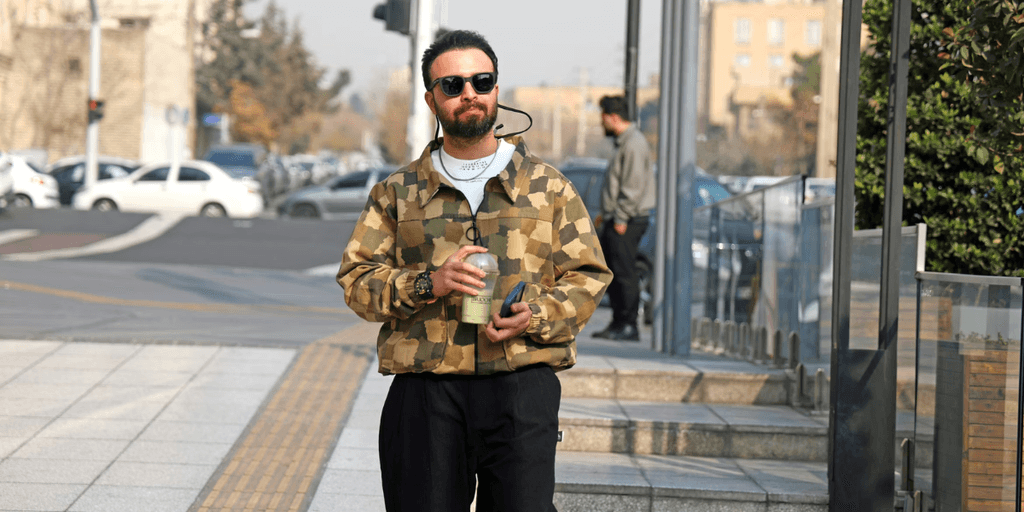
Outdoor-inspired fashion and adventure-focused apparel are becoming some of the strongest drivers in the men’s lifestyle market in 2026, as consumers increasingly seek clothing and accessories that combine durability, comfort, and everyday versatility. Industry reports released this month show that outdoor performance brands and utility-focused menswear collections continue gaining popularity across multiple age groups, particularly among consumers prioritizing active lifestyles and practical style choices.
Fashion analysts say the growing interest in outdoor-inspired clothing reflects broader shifts in wellness, travel habits, and recreational activities. Hiking, fitness-focused travel, camping, and outdoor social events have all contributed to rising demand for apparel designed to function across different environments while maintaining a modern appearance.
Recent retail trend data shows that categories including lightweight outerwear, technical pants, trail-inspired sneakers, utility vests, and weather-resistant accessories have experienced steady sales growth throughout 2026.
One of the most noticeable trends this year is the blending of outdoor gear with casual urban fashion. Consumers are increasingly wearing hiking-inspired jackets, performance fabrics, cargo trousers, and trail-running shoes as part of everyday wardrobes rather than exclusively for outdoor activities.
Industry experts say modern consumers are prioritizing practicality alongside appearance. Clothing designed with water resistance, stretch materials, lightweight insulation, and multi-purpose functionality has become especially attractive to professionals balancing work, travel, and recreation.
The popularity of outdoor-inspired menswear is also influencing footwear trends. Trail sneakers, hybrid hiking shoes, and durable leather boots remain among the strongest-performing categories in the men’s footwear market. Analysts note that many consumers are seeking shoes capable of handling both daily commuting and weekend outdoor activities.
Several major apparel companies have expanded their adventure-focused collections this year in response to sustained consumer demand. Retailers are introducing products built around mobility, weather adaptability, and long-term durability while maintaining minimalist styling suitable for modern casualwear.
Accessories are playing an increasingly important role within the outdoor lifestyle category as well. Functional backpacks, crossbody bags, polarized sunglasses, hydration gear, and durable watches are seeing rising popularity among men seeking products designed for both travel and daily use.
Analysts say consumers are becoming more intentional about purchasing products that support multiple aspects of their lifestyle. Rather than maintaining separate wardrobes for work, fitness, and leisure, many buyers are choosing versatile items that transition easily between settings.
The broader interest in outdoor fashion is closely connected to the continuing emphasis on health and self-improvement. Industry surveys suggest that consumers are spending more time participating in outdoor recreation and wellness activities, including hiking, cycling, walking, and fitness-focused travel experiences.
This lifestyle shift has encouraged brands to position outdoor apparel as part of a balanced and active way of living rather than simply performance gear. Marketing campaigns increasingly focus on mobility, mental wellness, travel, and lifestyle flexibility.
Sustainability continues to influence purchasing decisions throughout the outdoor apparel market. Consumers are paying closer attention to material sourcing, ethical manufacturing, and product lifespan before making purchases. Several brands have expanded the use of recycled materials, organic fabrics, and environmentally conscious packaging in response to growing demand for sustainable fashion.
Experts say durability has become one of the most important factors influencing outdoor apparel purchases. Consumers are increasingly willing to invest in higher-quality products designed to withstand long-term use rather than frequently replacing lower-cost alternatives.
Younger consumers, particularly millennials and Gen Z shoppers, are driving much of the growth in utility-inspired fashion. Oversized outerwear, cargo styling, technical fabrics, and trail-inspired footwear remain especially popular among younger demographics influenced by both streetwear and outdoor culture.
At the same time, older consumers are contributing to growth in premium outdoor essentials such as lightweight jackets, supportive footwear, and travel-ready accessories designed for comfort and convenience.
Technology is also affecting the outdoor fashion sector. Apparel companies are incorporating advanced materials designed for temperature regulation, moisture control, odor resistance, and enhanced mobility. Some brands are experimenting with smart fabrics and performance-focused construction techniques aimed at improving comfort during travel and physical activity.
Fashion consultants believe the current popularity of outdoor-inspired style reflects broader cultural interest in flexibility, wellness, and simplicity. Rather than focusing purely on formal or trend-based fashion, many consumers are seeking clothing that supports active routines while maintaining a polished appearance.
Looking ahead, industry analysts expect adventure-focused menswear and utility-inspired fashion to remain influential throughout the remainder of 2026. Continued interest in travel, wellness, and multifunctional clothing is likely to support ongoing growth across the outdoor lifestyle sector.
For consumers, the trend offers a practical approach to modern style, combining performance, comfort, and versatility in ways that fit both professional responsibilities and active personal lifestyles.

Men’s Insider Contributor
Ethan Marsh
Covers health, fitness, and modern lifestyle, with a focus on practical habits and the long game of staying well.
This article features partner, contributor, or branded content from a third party. Members of the Men’s Insider editorial staff were not involved in the creation of this content. All views and opinions are those of the contributor alone.