By Zachary Fields, Senior Correspondent
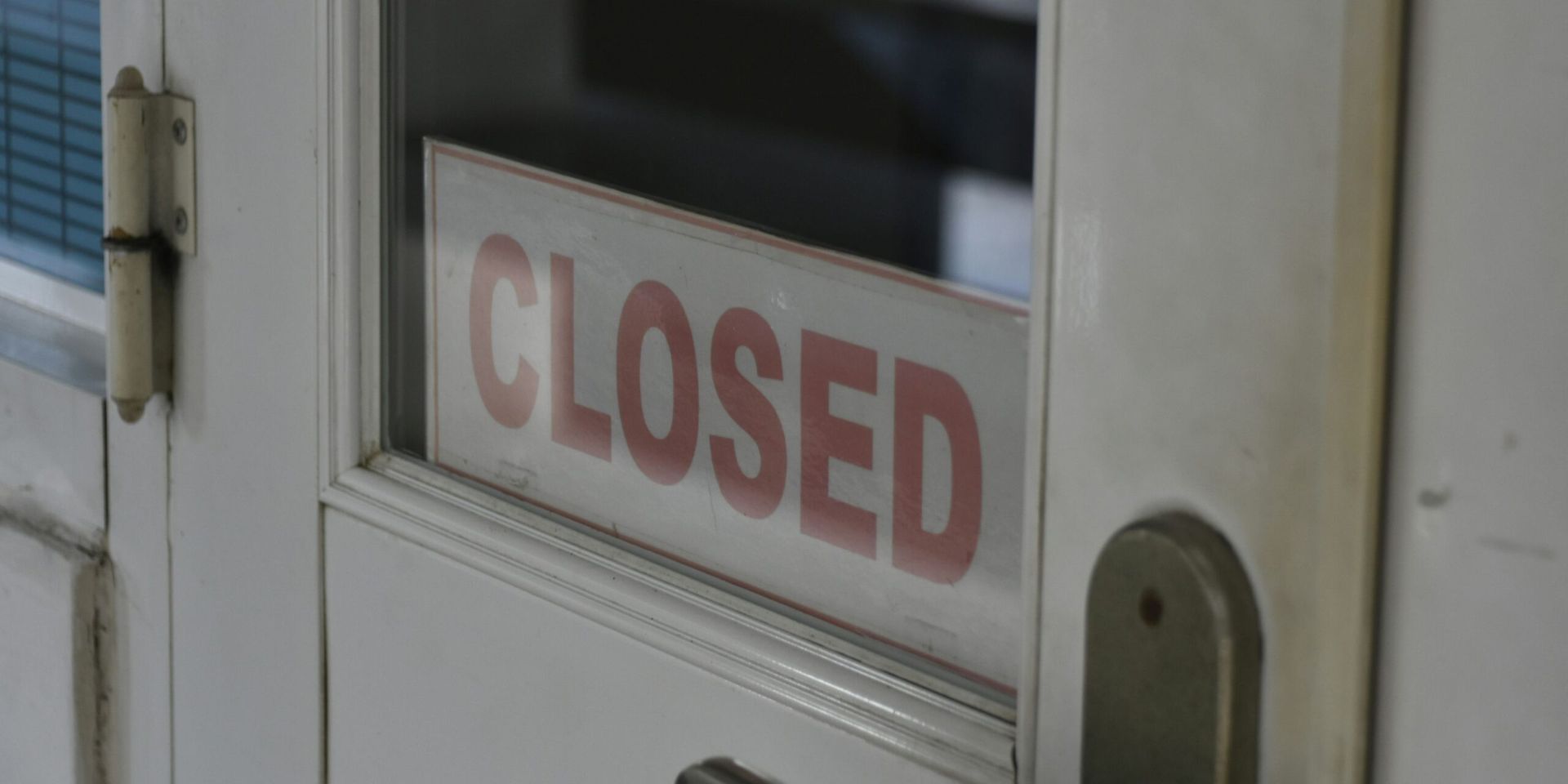
As of June 2, 2025, at least 20 Planned Parenthood clinics across seven U.S. states have closed or announced impending closures. These shutdowns are attributed to intensified financial constraints and political challenges following the Supreme Court’s reversal of Roe v. Wade.
Widespread Closures Across Multiple States
The closures span states including Utah, Michigan, and New York, significantly impacting access to reproductive health services such as contraception, cancer screenings, and STI testing.
In Michigan, four clinics have been shut down, including the last remaining clinic in the rural Upper Peninsula. Planned Parenthood of Michigan cited financial pressures and operational challenges as reasons for the closures.
Utah has seen the closure of two clinics due to a $2.8 million cut in Title X funding.
In New York, the only Planned Parenthood clinic in Manhattan is being sold, following the closure of four other clinics in the state last summer.
Local health departments and private providers are reportedly unprepared to fill the service gap, raising concerns about community health and the accessibility of basic care.
Financial Strains and Political Challenges
Planned Parenthood President Alexis McGill Johnson stated, “We’ve faced unprecedented funding cuts and legislative hurdles that make it impossible to continue operations in certain areas.”
The previous administration’s targeted funding freezes, particularly the suspension of Title X federal family planning funds, have exacerbated the financial strain. In Utah alone, a $2.8 million cut led directly to the closure of two clinics.
Despite holding approximately $3 billion in assets, Planned Parenthood reports diminishing reimbursements and escalating operational costs, prompting significant cutbacks. In many regions, shrinking patient volumes combined with higher staffing and facility expenses have rendered clinics unsustainable.
At the state level, legislation has been introduced in several Republican-controlled legislatures to bar Medicaid reimbursements to Planned Parenthood, adding another layer of financial risk.
Impact on Low-Income Communities
Advocates warn that such measures could lead to additional clinic closures, disproportionately affecting low-income communities. Many of the shuttered clinics served rural or underserved urban areas where alternative healthcare providers are scarce or overwhelmed.
Dr. Maria Lopez, a public health expert at the University of California, commented, “These closures will leave many without essential health services, deepening existing healthcare disparities.”
Patients are now forced to travel long distances or forgo care altogether, leading to fears of rising rates of unintended pregnancies, undiagnosed infections, and missed cancer screenings.
Community organizers and healthcare advocates are urging lawmakers to reconsider funding strategies and explore emergency support measures to prevent further erosion of services.
Public Response and Future Outlook
The closures have sparked protests and advocacy campaigns across affected states. Supporters of Planned Parenthood argue that access to reproductive healthcare is a fundamental right that should not be subject to political winds.
Some clinics are attempting to transition to mobile health units or telehealth services to reach patients in hard-hit areas, though these efforts are limited by logistical and technological barriers.
Health policy experts emphasize the long-term public health implications, warning that today’s closures could strain emergency rooms and increase public healthcare costs in the coming years.
With the political landscape unlikely to shift significantly before the 2026 midterm elections, Planned Parenthood is bracing for additional financial and legislative challenges. Meanwhile, supporters are mobilizing to build broader coalitions aimed at securing long-term sustainability and public backing.
The evolving situation remains a focal point in the national debate over reproductive rights, healthcare equity, and the role of government funding in public health.

Men’s Insider Contributor
Ethan Marsh
Covers health, fitness, and modern lifestyle, with a focus on practical habits and the long game of staying well.
This article features partner, contributor, or branded content from a third party. Members of the Men’s Insider editorial staff were not involved in the creation of this content. All views and opinions are those of the contributor alone.